Coverage
Guangdong Province
An independent guide to Guangdong Province
I’m Joey, born and raised in Guangdong. Travelling around is my favourite way to spend my time. I use that experience to help you choose cities, find the food you want to try and plan days with time to enjoy them.
Canton Travel Guide covers the whole of Guangdong Province, China. English is the primary editorial language, with a full Traditional Chinese version designed to keep useful Chinese place and dish names close at hand.
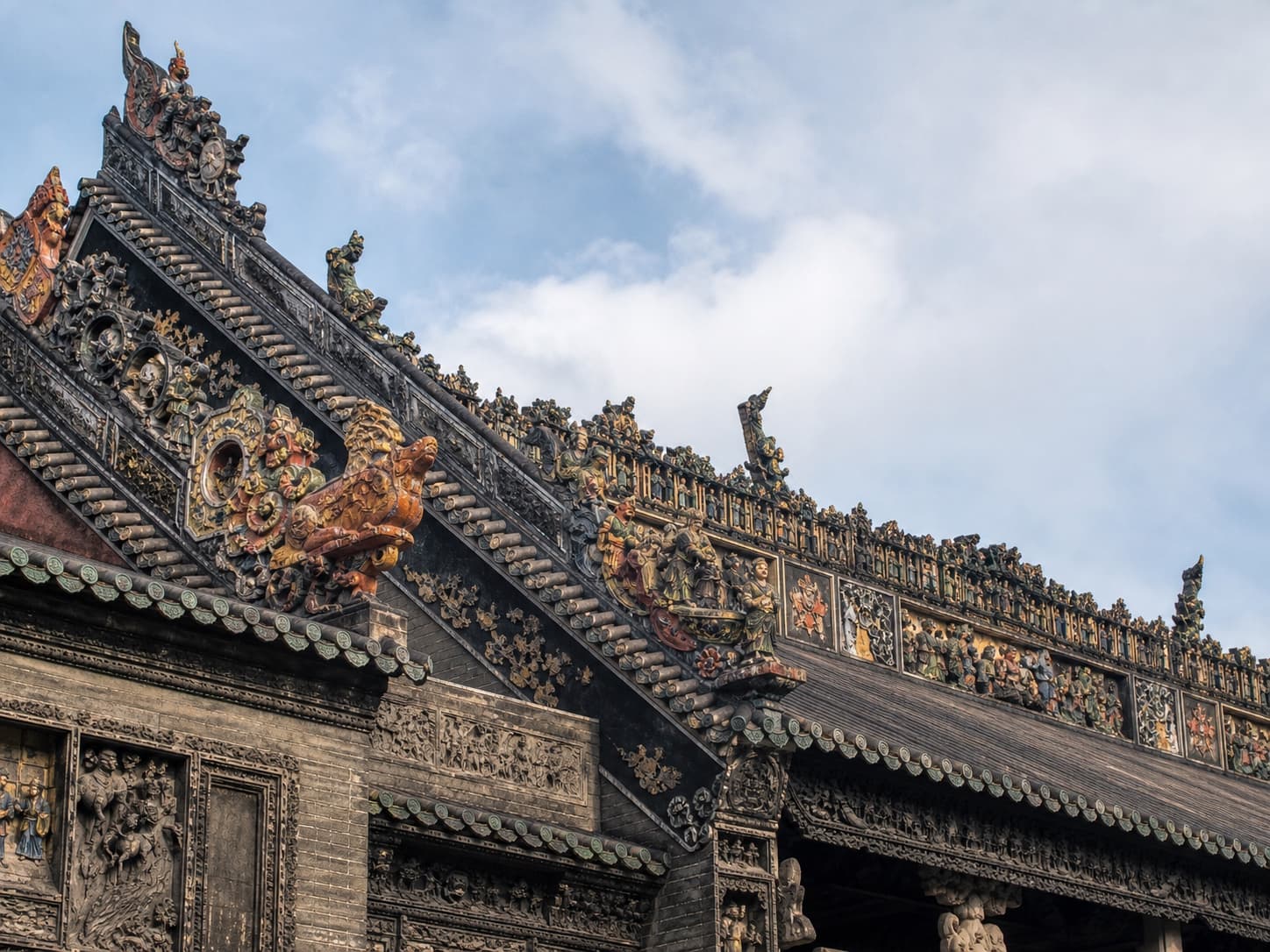
Guangdong Province
First-time independent travellers
English · Traditional Chinese
Routes · regional food · practical choices
Why “Canton”
Canton is a historical English name associated with both Guangdong and Guangzhou. Because the word can refer to either, every guide names the city or province directly.
The brand uses Canton and covers all of Guangdong Province. Guangzhou is one essential city within that scope. Shenzhen, Foshan, Chaoshan, Hakka areas, mountain regions and the eastern and western coasts are covered as well.
Planning with this guide
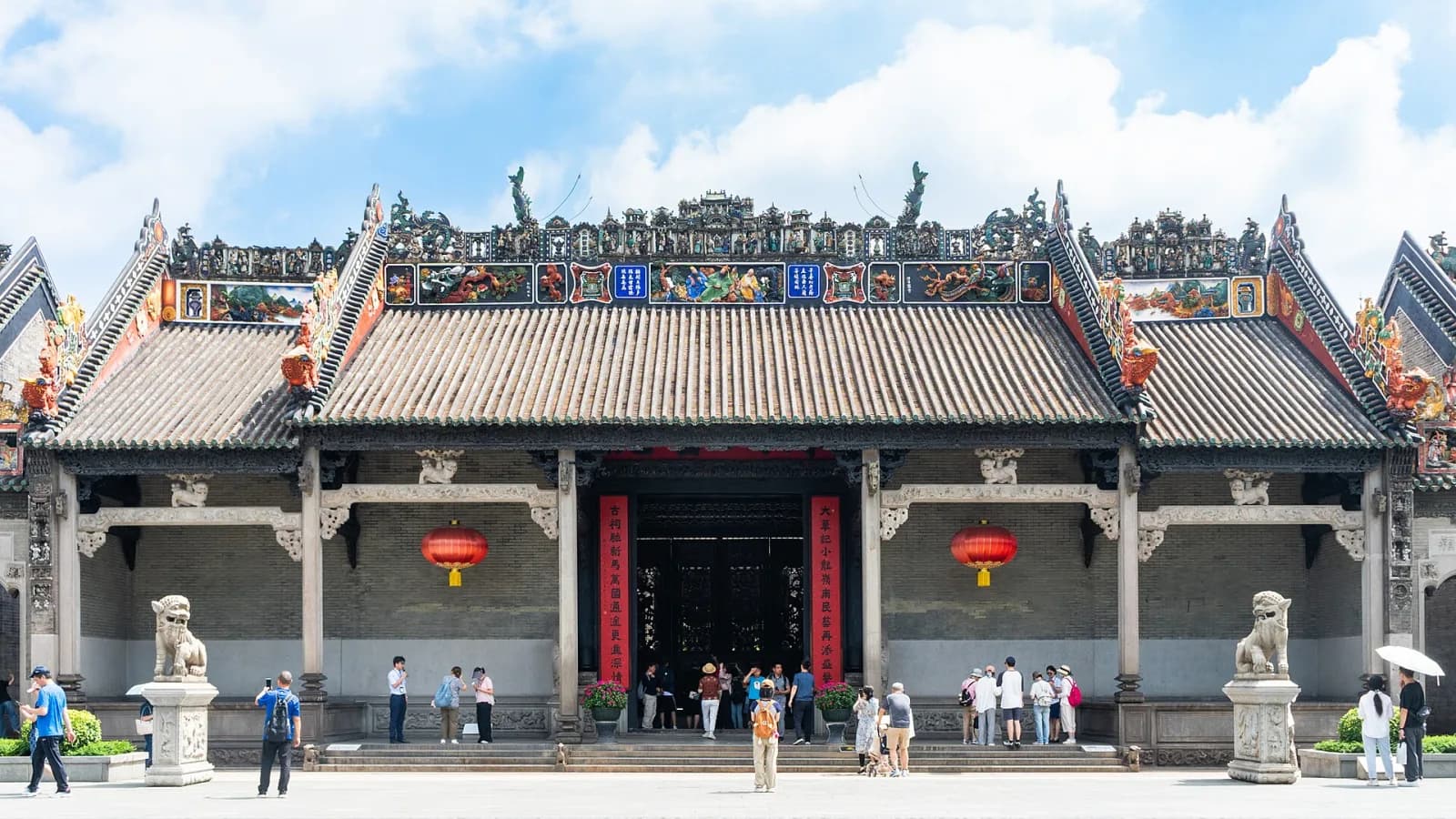
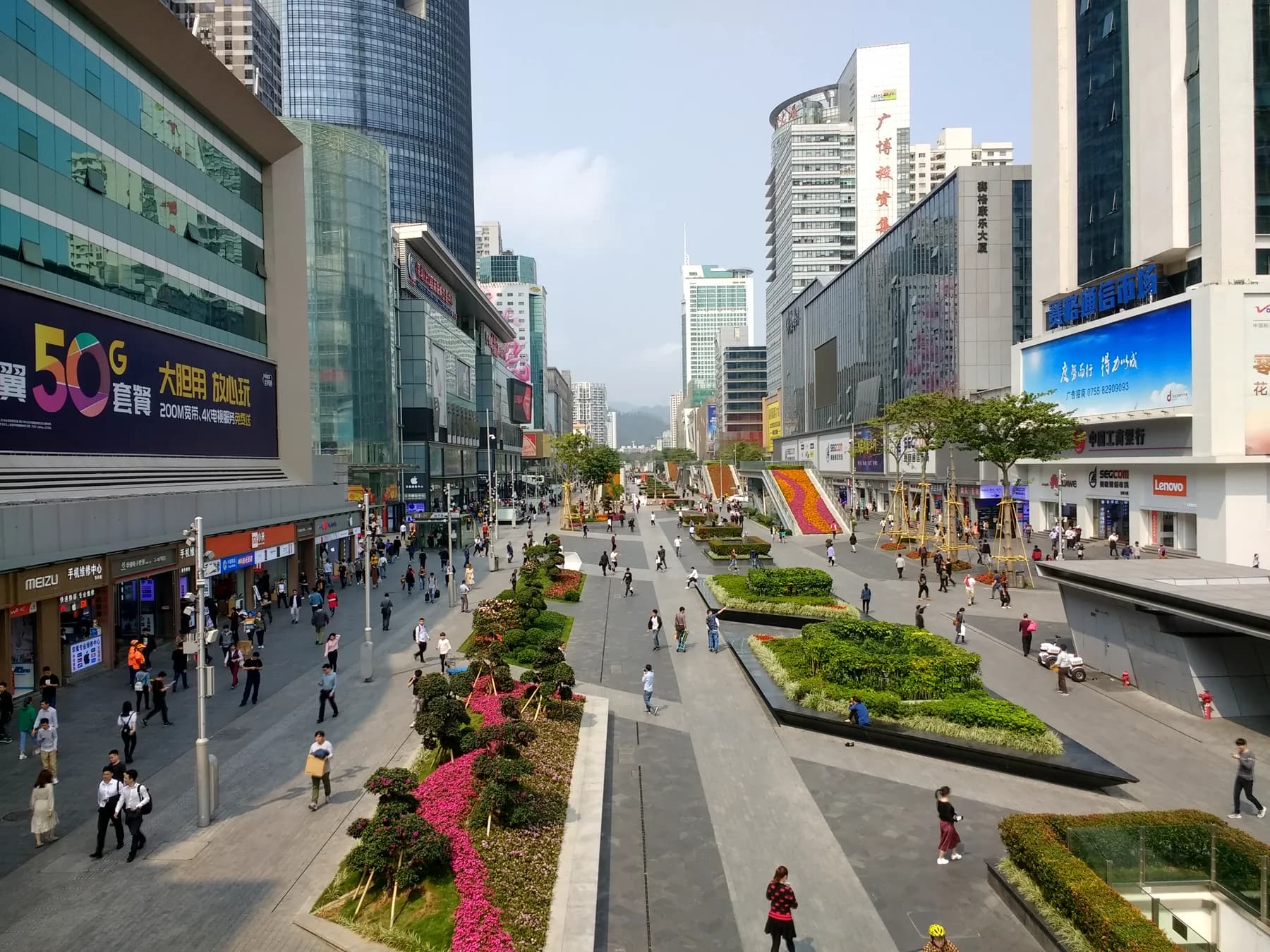
Use the city guides to compare old neighbourhoods, food, coast, nature and modern urban life before adding stops to a route.
Places that look close on a map do not always fit into one day. Group stops by district, leave time for meals and count the journey back to the hotel.
Useful place names, stations, addresses and dishes stay in Chinese where they help with maps, menus, tickets and drivers.
Opening arrangements, reservations and transport can change. Use the guide to plan the day, then confirm the current details before travelling.
Where to go next
Trip planning and contact
If your dates, arrival point, departure point and priorities are already clear, send them through the trip brief. That is enough context for us to suggest an order for the cities, a realistic daily pace and the help you may need.
Joey usually replies by email within 24 hours. Planning starts at US$50; the itinerary, number of travellers and urgency determine the quote. The price, delivery date and work included are agreed before paid planning begins.
If a detail has changed, send the page URL and what you found. You can also ask a service question or make a privacy request without filling in a travel plan.
Need a route built around you?
Share your travel party, pace, interests and priorities. We will reply with a practical order for the cities and explain what planning help we can offer.