7 days
Two bases · Guangzhou + Shenzhen
Routes that leave room to travel
Seven days is enough for a clear first look, but not for the whole province. Ten days gives you one smaller heritage or coastal stop. Fourteen days can add a region that feels genuinely different without changing hotels every night.
Choose seven days for Guangzhou and Shenzhen with one Foshan day. Choose ten to add Kaiping and Zhuhai. With fourteen, begin with Shaoguan or finish in Chaoshan. Add only one major outer region so the trip does not become a chain of transfers.
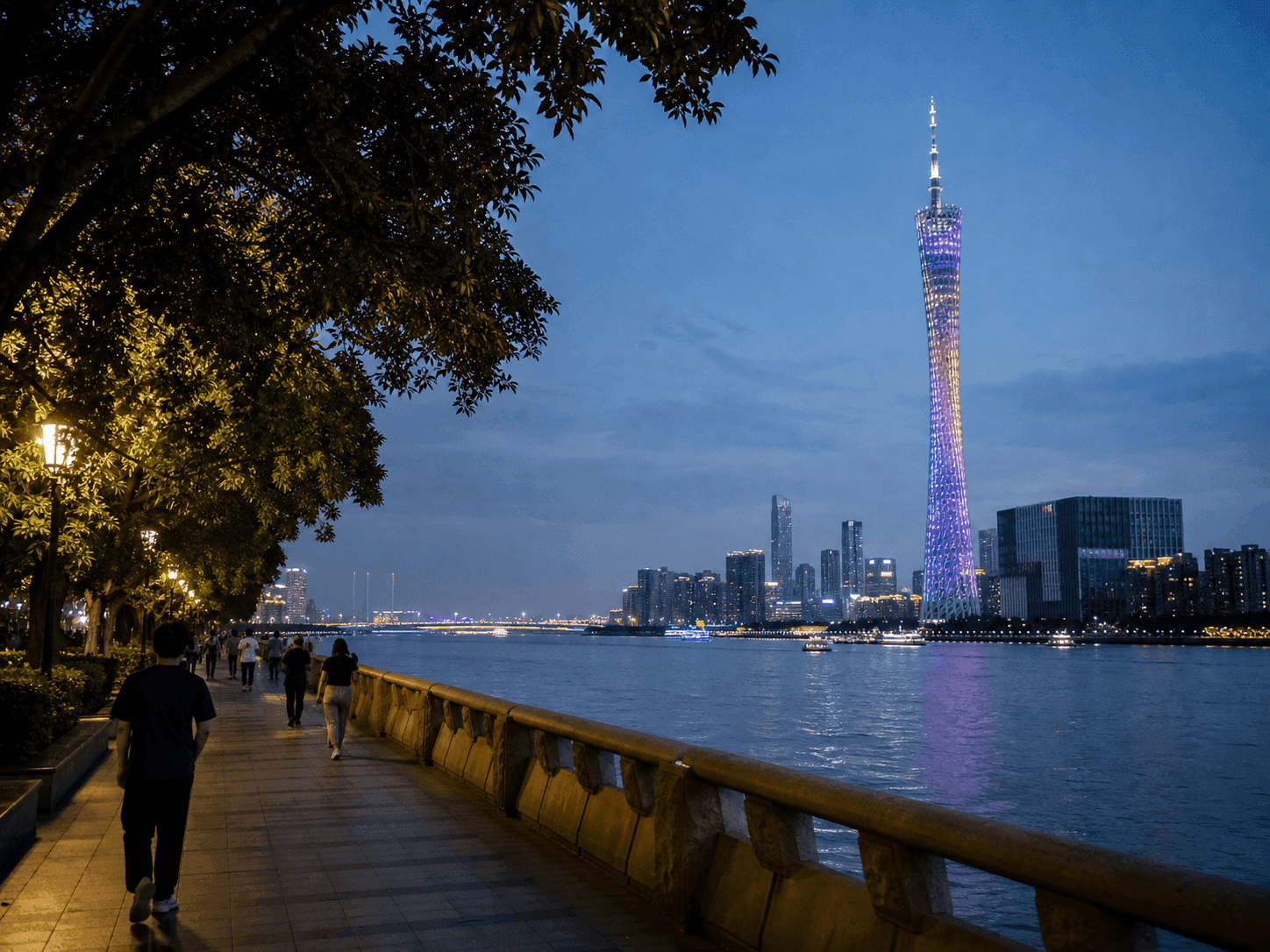
Two bases · Guangzhou + Shenzhen
Add Kaiping and a coast stop
Add one outer region
Never treat it as a full sightseeing day
Choose the length
Count the days available for sightseeing. An evening arrival usually leaves time for check-in and dinner. An early international departure also limits the previous night. A hotel-change day normally supports one compact afternoon. Subtract arrival, departure and every long move before comparing seven, ten and fourteen-day routes.
These routes assume moderate walking, no full-trip private driver, time for station security and two proper meals a day. Families, older travellers, mobility needs and summer heat reduce the number of comfortable stops. Keep the same direction and remove one stop when a day feels crowded.
Leave visible time for breakfast, lunch and an unhurried return to the hotel in every version.
| Length | Bases | What it does well | What to leave out |
|---|---|---|---|
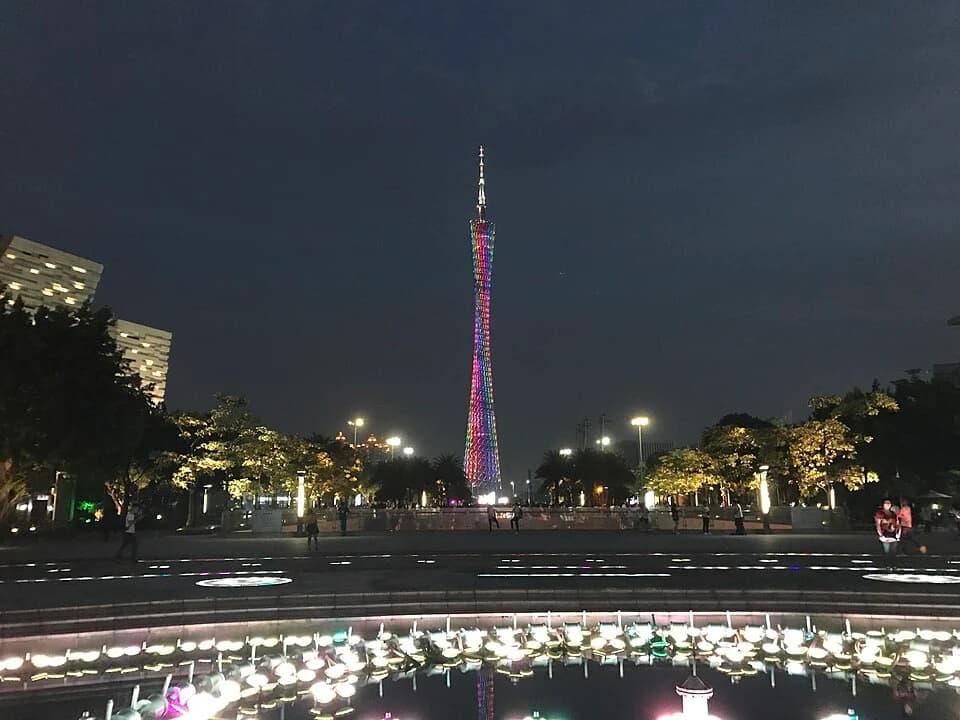
| 7 days | Guangzhou · Shenzhen | Food, old city, modern districts, one easy side trip | Kaiping, Chaoshan and mountain extensions |
| 10 days | Guangzhou · Kaiping · Zhuhai · Shenzhen | A west-to-east route linking heritage villages and the coast | Shaoguan and Chaoshan in the same trip |
| 14 days | Four to five bases | One distinct outer region without nightly moves | Trying to cover all 21 cities |
Route one
Use two hotels. Foshan works as the one day that leaves and returns to the Guangzhou base.
This week leaves out the eastern Shenzhen coast. Dapeng and the Observatory need current reservation, road and weather checks and a full day with a clear return. If the coast matters more than Foshan, remove Day 4 and move to Shenzhen earlier.
Choose the base around the planned days. Liwan or Yuexiu works well for the first Guangzhou walks. Futian simplifies the Shenzhen transfer and central-city day; Nanshan is better when Day 6 is the priority. Before booking, check the walk from a specific hotel to its metro station with luggage.
Check in, take a short neighbourhood walk and eat near the hotel. Do not spend the first evening crossing the city.
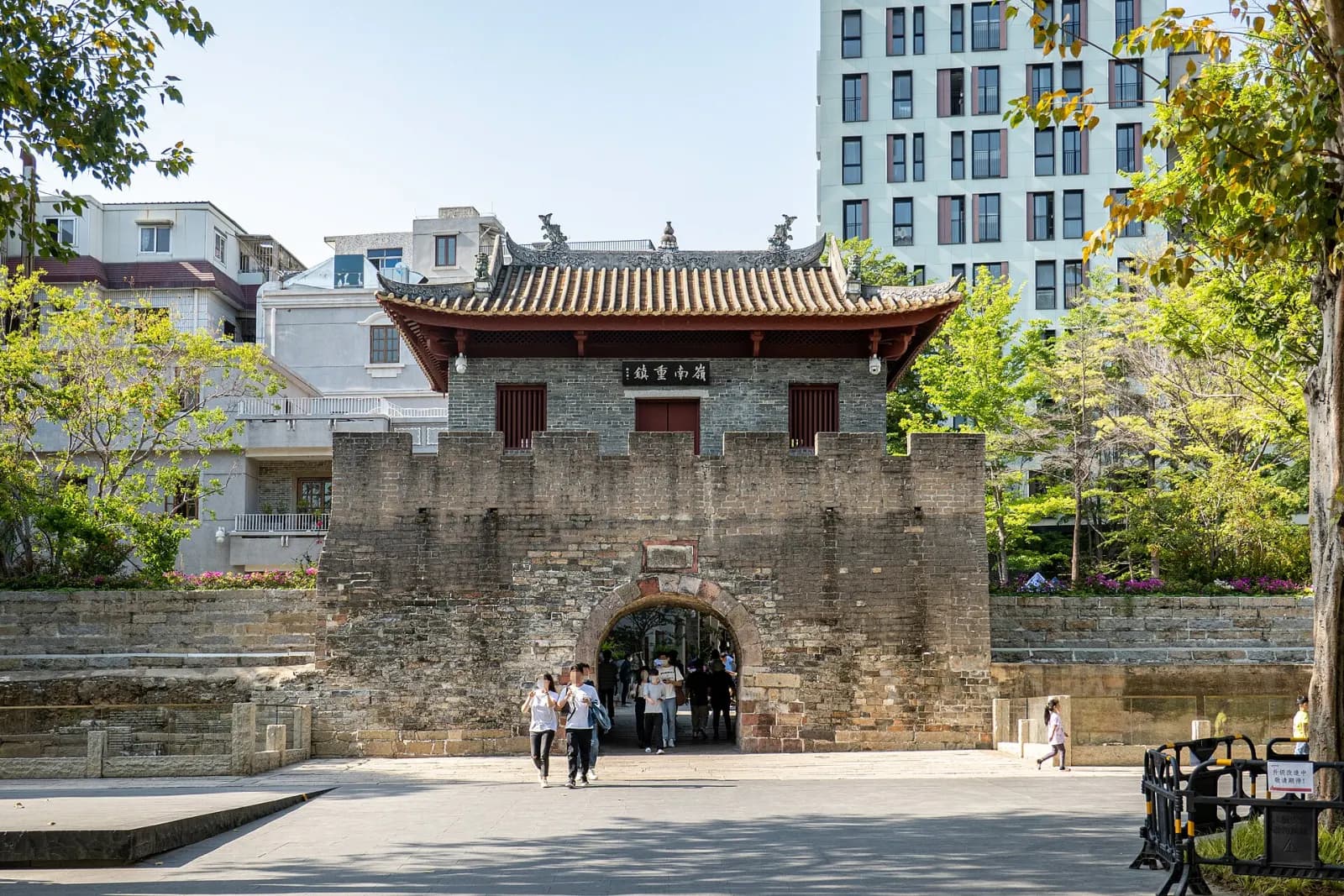
Begin at Chen Clan Ancestral Hall, continue through Enning Road and Yongqing Fang, then finish around Lychee Bay or the river.
Choose the Nanyue King Museum or Yuexiu Park, then use Beijing Road as an evening axis. One museum is enough.
Choose one complete day: central Foshan for temples and ceramics, or Daliang for a Shunde day centred on food. Do not combine both.
Treat the hotel change as the main task. After check-in, pair Lianhuashan Park with a nearby central district.
Visit Huaqiangbei while its shops are active, then choose Nantou Ancient Town or OCT-LOFT for the afternoon.
Walk a central waterfront if departure is late. Do not attempt the eastern coast on a flight or rail day.
Route two
This version moves broadly west to east: Guangzhou → Foshan → Kaiping → Zhuhai → Shenzhen. It avoids returning to Guangzhou between every stop.
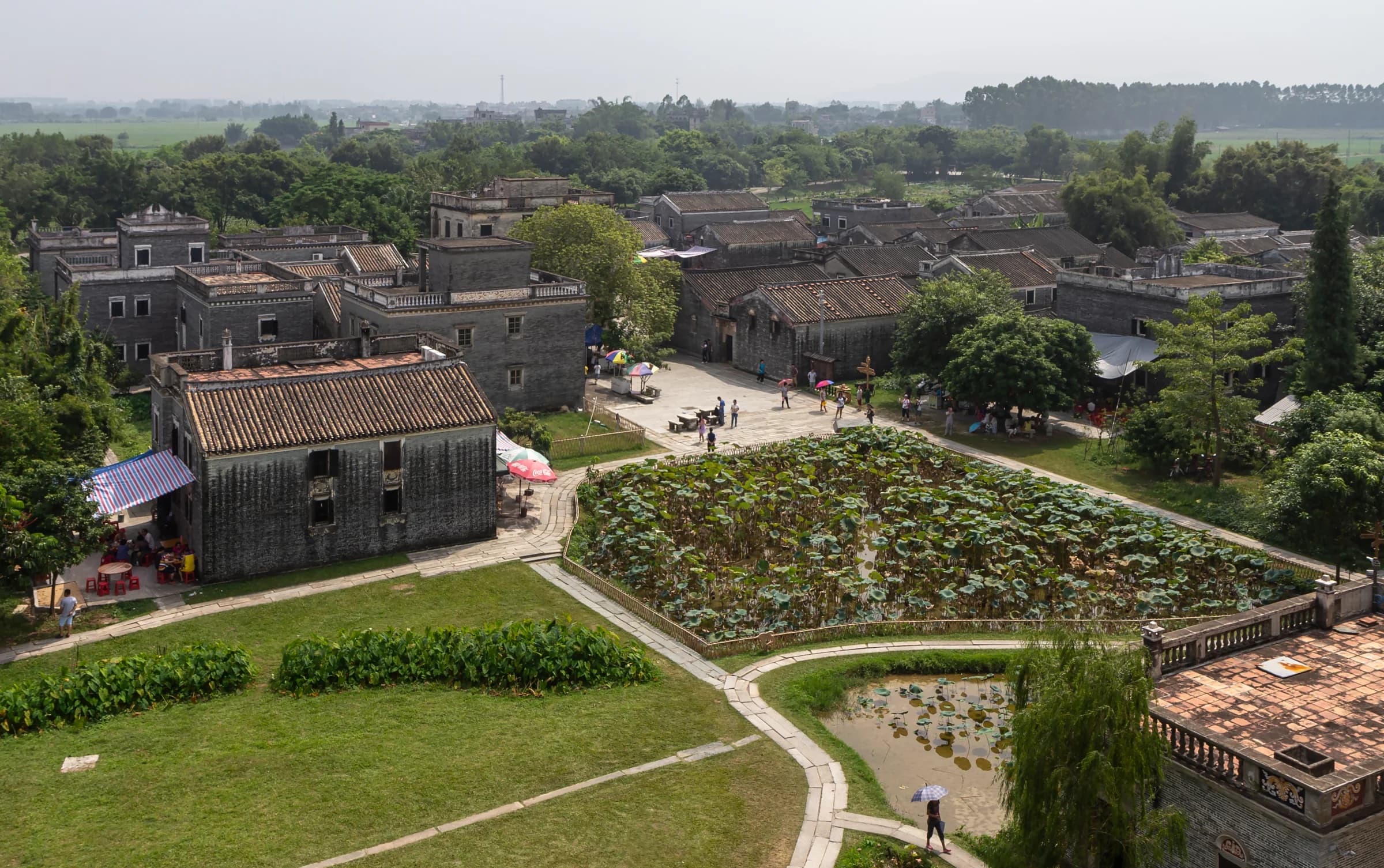
Kaiping needs the most preparation. Allow time for towers, houses, fields and the movement between villages. Confirm the chosen cluster, current opening, transport between sites and the return to the hotel. A hired vehicle or verified local arrangement may be the simplest option for a family or anyone carrying luggage.
The route moves broadly west to east, although every leg may not have a direct train. Kaiping to Zhuhai can require road transport or a mixed connection depending on the date. Check the same-day journey before booking a non-refundable hotel. If it is awkward, add a Guangzhou night or move directly to Shenzhen.
Use the first three days from the seven-day route: arrival, Xiguan, then Yuexiu and the old-city axis.
Travel with day luggage only if returning to Guangzhou; otherwise choose a Foshan or Shunde overnight that reduces the next transfer.
Use one day to reach the area and one full day for a group of nearby villages. Zili Village, Liyuan and the surrounding diaolou landscapes need time between sites.
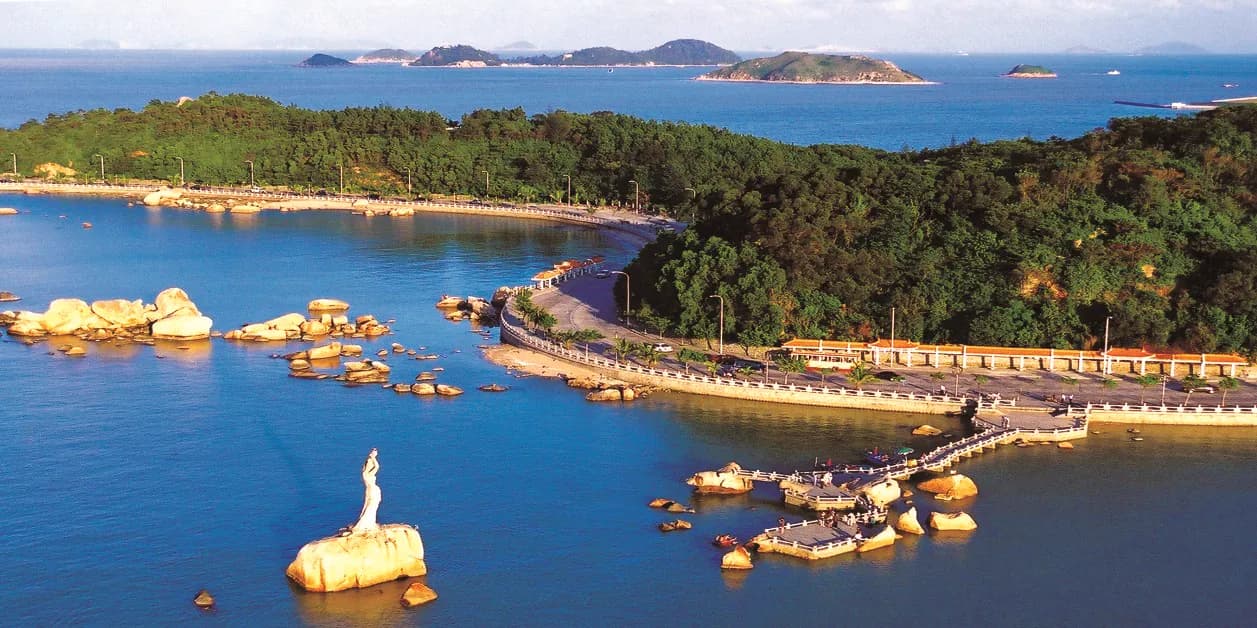
Move to the coast, leave luggage and choose Xianglu Bay or Beishan for the rest of the day.
Day 8 includes the transfer from Zhuhai. Agree the pickup, luggage space, road route and arrival estimate with the driver before booking. After leaving bags at the Shenzhen hotel, take only a short nearby walk. Day 9 is the full sightseeing day; Day 10 stays close to the hotel and departure point.
Route three
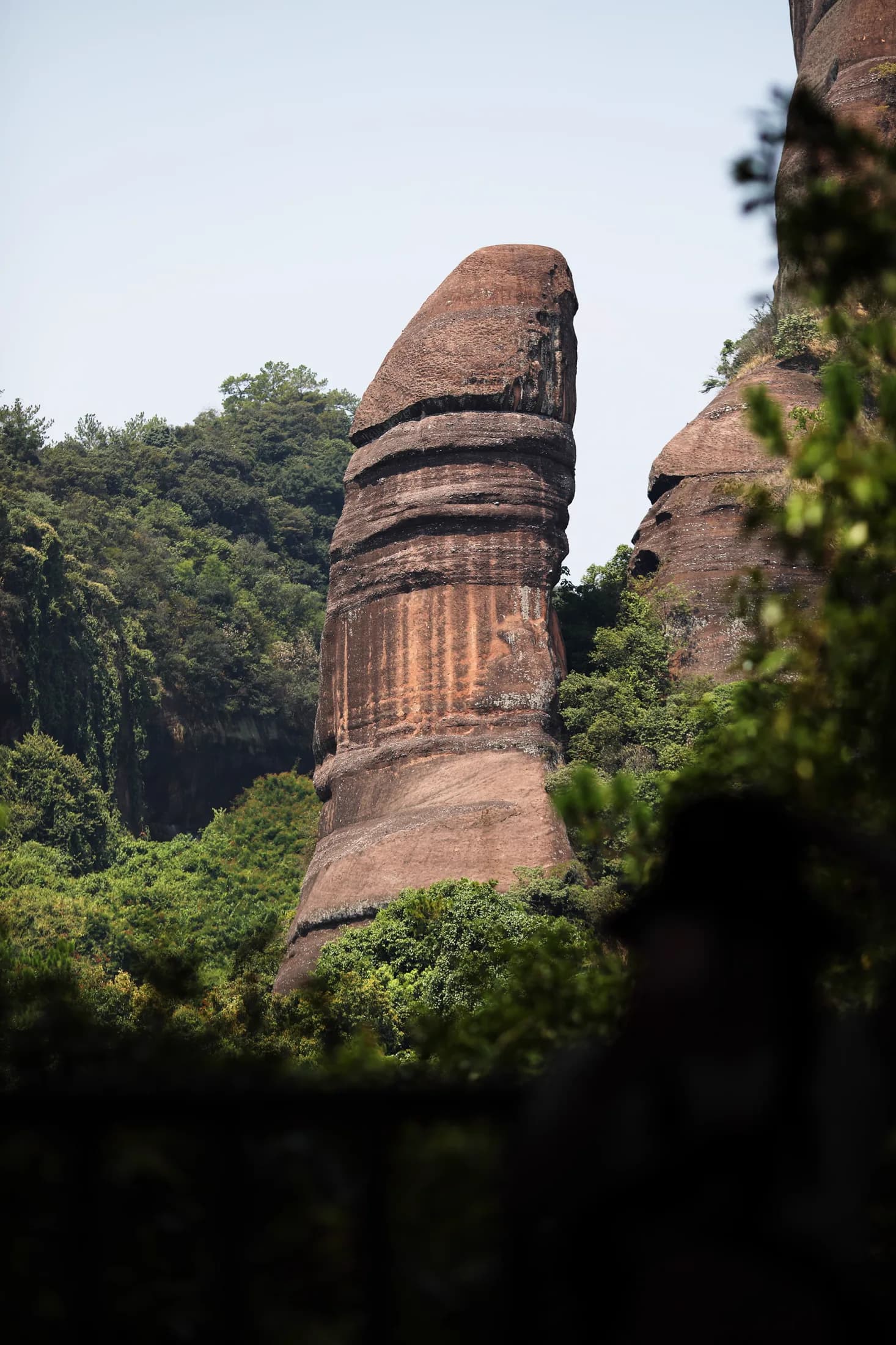
For mountains, add two nights around Shaoguan and Mount Danxia before the Pearl River Delta. The landscape deserves a full day, and the route needs weather and walking-capacity checks.
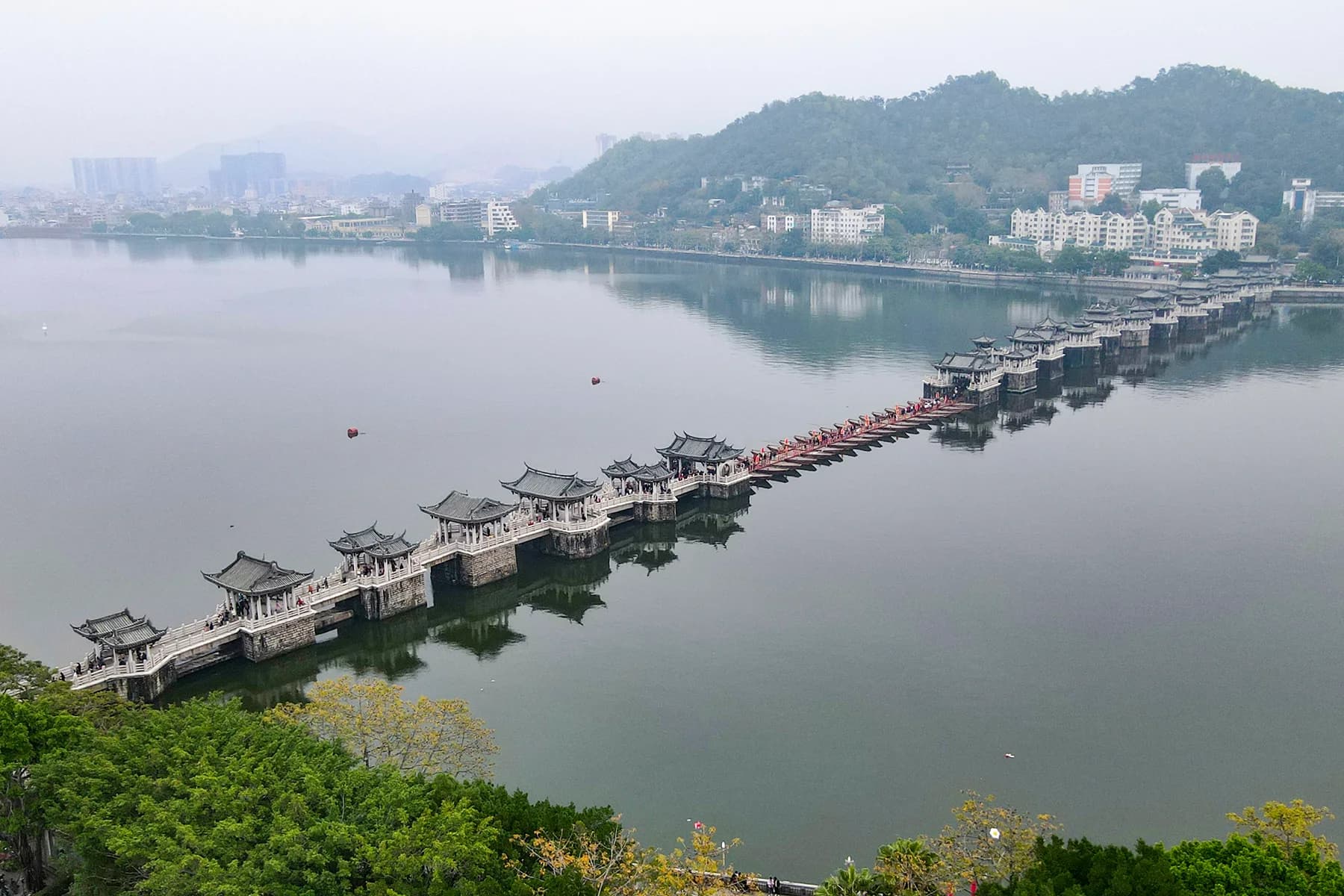
For food and old-city culture, finish with three nights across Chaozhou and Shantou after Shenzhen. This keeps the eastern extension together and gives the regional table more than one rushed dinner.
Keep one extension. Airport or rail arrival, hotel changes and recovery still take a meaningful share of a fourteen-day trip.
A Shaoguan extension works well at the beginning when the arrival leaves a practical rail connection north. Stay near transport for the chosen Mount Danxia access, then give the landscape a full day with an early start, water, weather protection and a conservative walking plan. Keep the following transfer to Guangzhou light.
A Chaoshan extension works best at the end because it continues east from Shenzhen and can lead to an onward rail or flight connection. Use one city as the sleep base for the early and late meals you most value; move once between Chaozhou and Shantou rather than commuting repeatedly. Three nights allow an old-city day, a port-city day and enough meal variety to justify the distance.
For a slower fourteen-day trip, skip both extensions. Add rest nights in Guangzhou and Shenzhen, keep two Kaiping nights, and give Zhuhai or Zhaoqing two quiet days. This version suits families, photographers, hot weather and travellers arriving after a long international flight. An open afternoon gives the trip useful room to recover or change.
Between cities
Build a transfer worksheet before buying tickets. Record the hotel and district, departure station, luggage travel time, security buffer, arrival station, final transport and the earliest sensible activity after check-in. Missing information usually means the transfer still needs checking.
Avoid the final service of the day when a missed connection would strand the group or disrupt the next morning. This matters most after flights, mountain or village road days and border procedures. Very early departures also cost sleep and breakfast, so choose a time that leaves one later recovery option.
For Hong Kong or Macau, allow a major transfer for the border. Entry requirements depend on passport and date, while payment, connectivity and luggage arrangements may change across the boundary. Replace a Guangdong stop or extend the trip to make room.
| Move | Good default | Budget for | Check before booking |
|---|---|---|---|
| Guangzhou → Foshan | Metro, intercity rail or road by district | Cross-city access at both ends | Exact hotel and attraction district |
| Guangzhou → Shenzhen | Rail between the most practical stations | Security, waiting, station transfer, hotel check-in | Station pair and current service |
| Kaiping → Zhuhai | Road or current rail-and-road combination | Last-mile village transfer and luggage | Same-day connections |
| Shenzhen → Chaoshan | Rail, followed by local transfer | Station outside the old-city core | Current destination station and hotel transfer |
Before booking
Write a one-line purpose for every hotel change. Two full Shenzhen days justify a move there. One restaurant usually does not. When a base cannot support a full day plus arrival or departure time, test it as a day trip. Kaiping and other outer areas may still need an overnight because of the final road journey.
Book the least flexible parts first, including international transport, visa-dependent borders, limited-entry venues and any coast or observatory visit that currently requires a reservation. Keep ordinary museums, parks and meals flexible until these are confirmed. Recheck all time-sensitive details close to travel.
Finally, read each day aloud from the hotel door through breakfast, transport, security or queues, visits, meals and the return. Include heat, rain and the slowest traveller in the group. If there is no place to sit, eat or recover, remove a stop.
Practical answers
It is enough for Guangzhou, Shenzhen and one Foshan day if you use only two hotels. It is not enough for a representative tour of the whole province.
Ten days is a strong first-trip length because it can add Kaiping or a coast stop without turning every other day into a transfer.
Guangzhou, Foshan and Shenzhen are the easiest core. Add Kaiping and Zhuhai for a west-to-east route, or add Chaoshan as a separate eastern extension.
Start where the best international or onward connection works for you. For cultural context, Guangzhou is the clearer editorial starting point; either direction can work if flights dictate otherwise.
Yes. Allow time for border procedures, separate payment and connectivity setup, and another hotel change. On a seven-day trip, replace one Guangdong stop to make room.
Need a route built around you?
Share your travel party, pace, interests and priorities. We will reply with a practical order for the cities and explain what planning help we can offer.