Best first meal
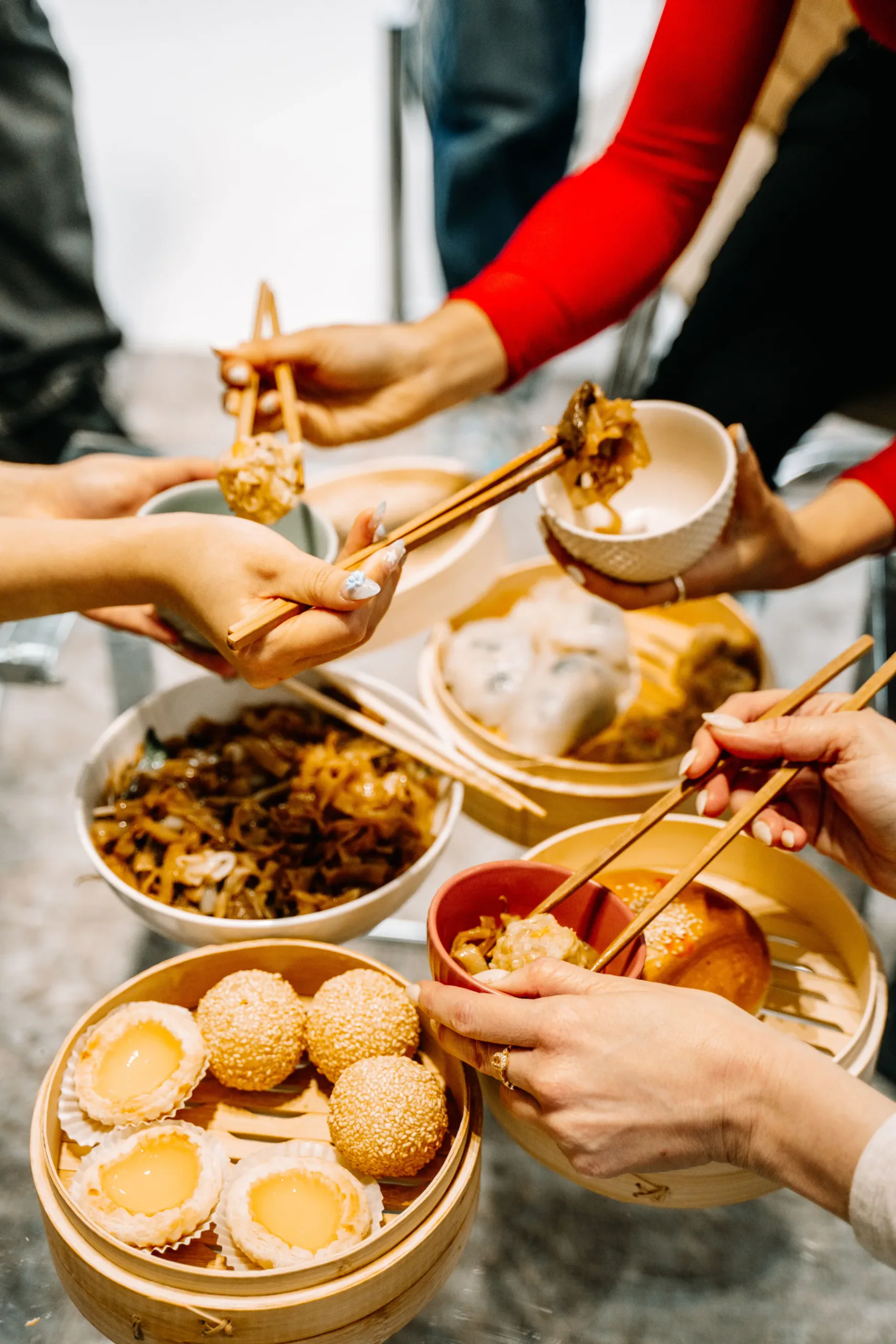
Yum cha with two to four people
Eat by region, not by checklist
The useful question is not whether Guangdong has the “best” food in China. It is how morning tea, roast meats, seafood, Chaoshan cooking and Hakka home dishes can help you understand where you are.
On a first trip, begin with one morning tea, one roast-meat or noodle meal, one regional shared dinner and one neighbourhood dessert. If you travel east, make room for a Chaoshan meal; in Hakka areas, order for the table rather than collecting snacks.

Yum cha with two to four people
Cantonese · Chaoshan · Hakka
Share widely; order in rounds
Chinese dish name and any allergies
The three tables
Cantonese cooking around Guangzhou, Foshan and the Pearl River Delta often draws attention to freshness, texture and careful heat. Morning tea, roast meats, steamed seafood, noodles and sweets belong to different moments of the day.
Chaoshan food has its own vocabulary: precisely cut beef, braised goose, oyster omelette, rice noodles, seafood and gongfu tea. A trip to Chaozhou or Shantou gives these dishes the street, language and social setting that a menu elsewhere cannot.
Hakka dishes are often strongest as a shared meal: stuffed tofu, salt-baked chicken, preserved vegetables and substantial braises. They make more sense alongside Hakka migration and settlement history than as an isolated “must-eat” list.
The Cantonese table is built around freshness, texture and timing, but those ideas take different forms. In a tea house, delicate wrappers and steamed textures arrive in baskets and should be eaten hot. At a roast-meat counter, crisp skin and rendered fat depend on turnover and the cut sold that day. Clear soups, steamed fish and simply cooked greens can look restrained while demanding careful stock, heat and ingredient handling.
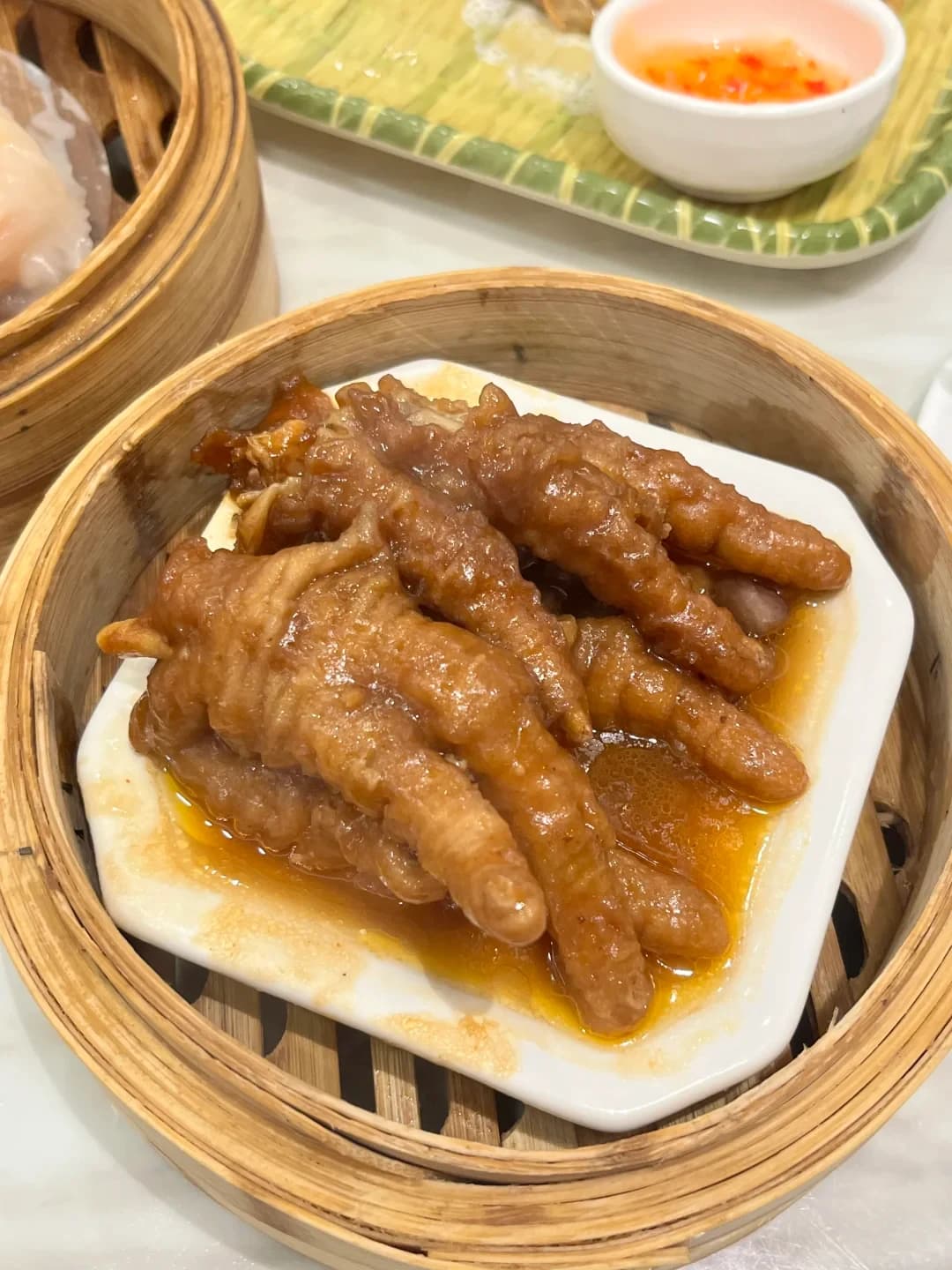
Morning tea is not a race through a checklist. Order tea, choose a first round of two or three baskets, then add only after seeing the portions. Har gow and siu mai introduce wrapper and filling; rice rolls change the texture; chicken feet or beef offal move towards braised flavours; congee and a vegetable can make the table feel like a meal rather than a tasting. Ask how ordering works because trolley, paper-card and phone systems differ.
Shunde belongs within the wider Cantonese tradition but deserves its own day when food is the reason for travel. Milk desserts are the easiest names to recognise, yet the deeper interest lies in ingredient-led cooking, fish preparation, stocks and the confidence to serve apparently simple dishes. Build the day around two meals and one nearby walk or cultural stop; crossing between distant restaurants for every viral recommendation destroys the appetite and the geography.
Chaoshan cooking changes both vocabulary and meal rhythm. Fresh beef hotpot is organised by muscle group and brief cooking time, while braised goose is sold by cut from a seasoned stock. Rice-noodle soups serve breakfast and light meals; oyster omelettes and fried tofu reward quick cooking; seafood and cold marinated dishes require careful restaurant choice. Gongfu tea is not an after-dinner performance but a practice woven through hospitality and conversation.
A Chaoshan extension becomes worthwhile when it includes several different meals: a simple noodle breakfast, a tea pause, one shared regional dinner and perhaps a late-night snack. Chaozhou supplies a walkable old-city and tea context; Shantou adds port-city arcades and a different urban rhythm. Travellers who only schedule one hotpot dinner in transit will taste a dish but miss the system that gives it meaning.
Hakka cooking is linked to movement, settlement and practical shared meals. Stuffed tofu, preserved mustard greens, salt-baked chicken and lei cha show different ways of building flavour, preserving ingredients and feeding a table. Meizhou gives the clearest dedicated context, but Hakka communities and restaurants also appear around Shenzhen, Huizhou and eastern Guangdong. Ask whether a dish is sized for two, four or a banquet before ordering.


Dish index
This is a recognition guide, not a province-wide restaurant ranking. The “look for” line tells you the setting where each dish makes most sense.
Use the list in layers. For a first Guangzhou stay, learn eight names: har gow, siu mai, rice rolls, wonton noodles, roast goose or char siu, white-cut chicken, boat congee and one warm dessert. Add Shunde milk desserts if the route goes to Foshan. Add beef hotpot, braised goose, oyster omelette and gongfu tea only when a Chaoshan meal is actually planned. Hakka dishes belong at a shared table rather than in an overloaded tasting day.
Restaurant lists age quickly, while recognition skills travel well. Look for steady turnover at roast-meat counters, made-to-order rice rolls, clear menu pricing and a room whose group size matches yours. A queue can indicate demand, but it can also consume the only useful hour in a district. Keep one backup nearby and judge the meal by preparation, fit and context rather than by whether the shop appears in every social feed.
Prices vary too much by city, venue, seafood weight and dining room to publish one reliable province-wide band. Confirm the unit beside live seafood, tea charges, service or room fees, and whether the quoted amount is per person, per portion or by weight. When the menu is unclear, ask for the total before cooking begins. This is more useful than carrying an old screenshot of a price from another branch or season.
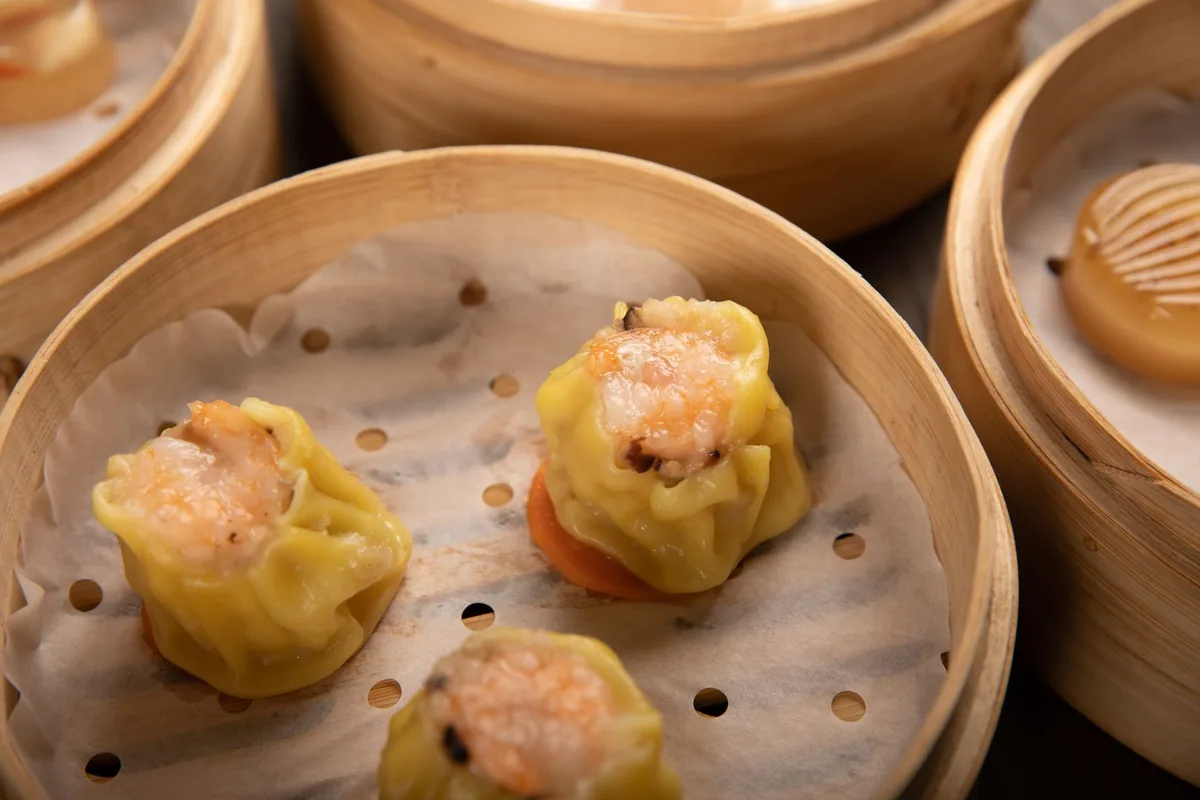
Translucent wrappers hold seasoned shrimp; the wrapper should be tender rather than thick or gummy.
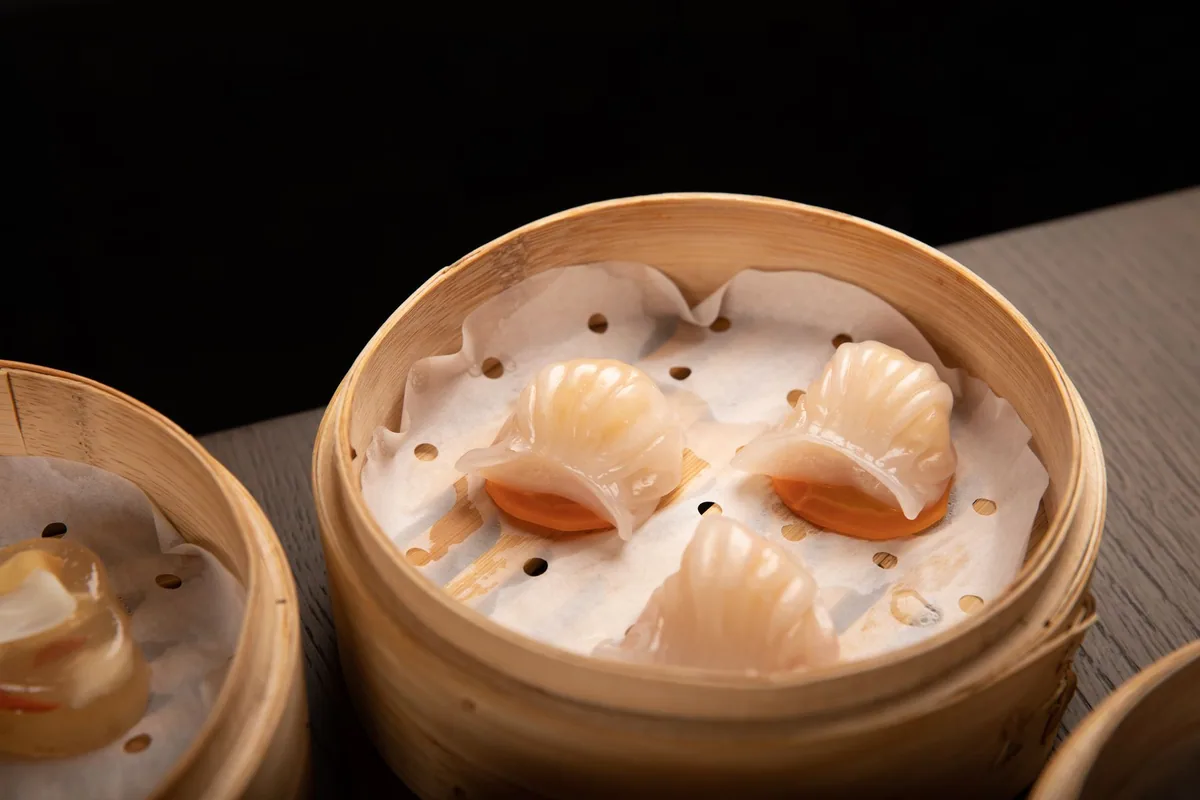
An open-topped steamed dumpling, usually ordered as one basket among several rather than a meal on its own.
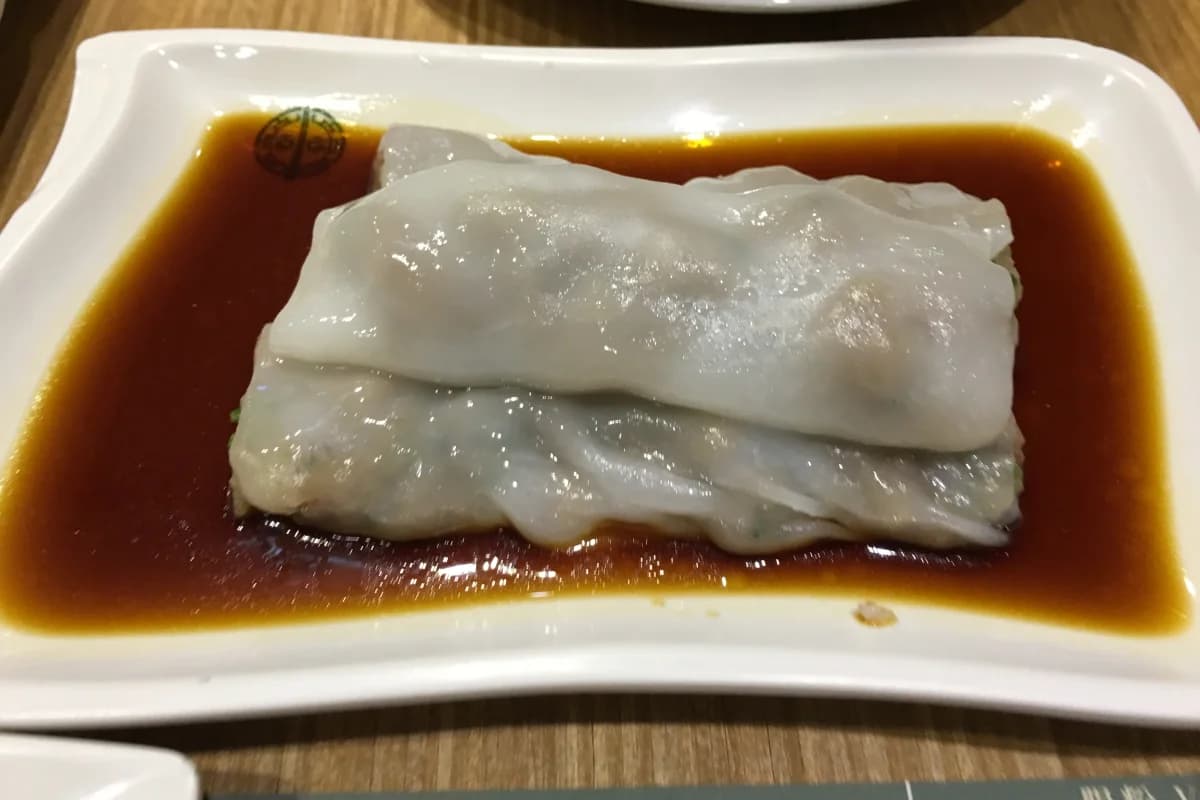
Fresh rice sheets are rolled around a light filling and finished with seasoned soy. Eat them as soon as they arrive.
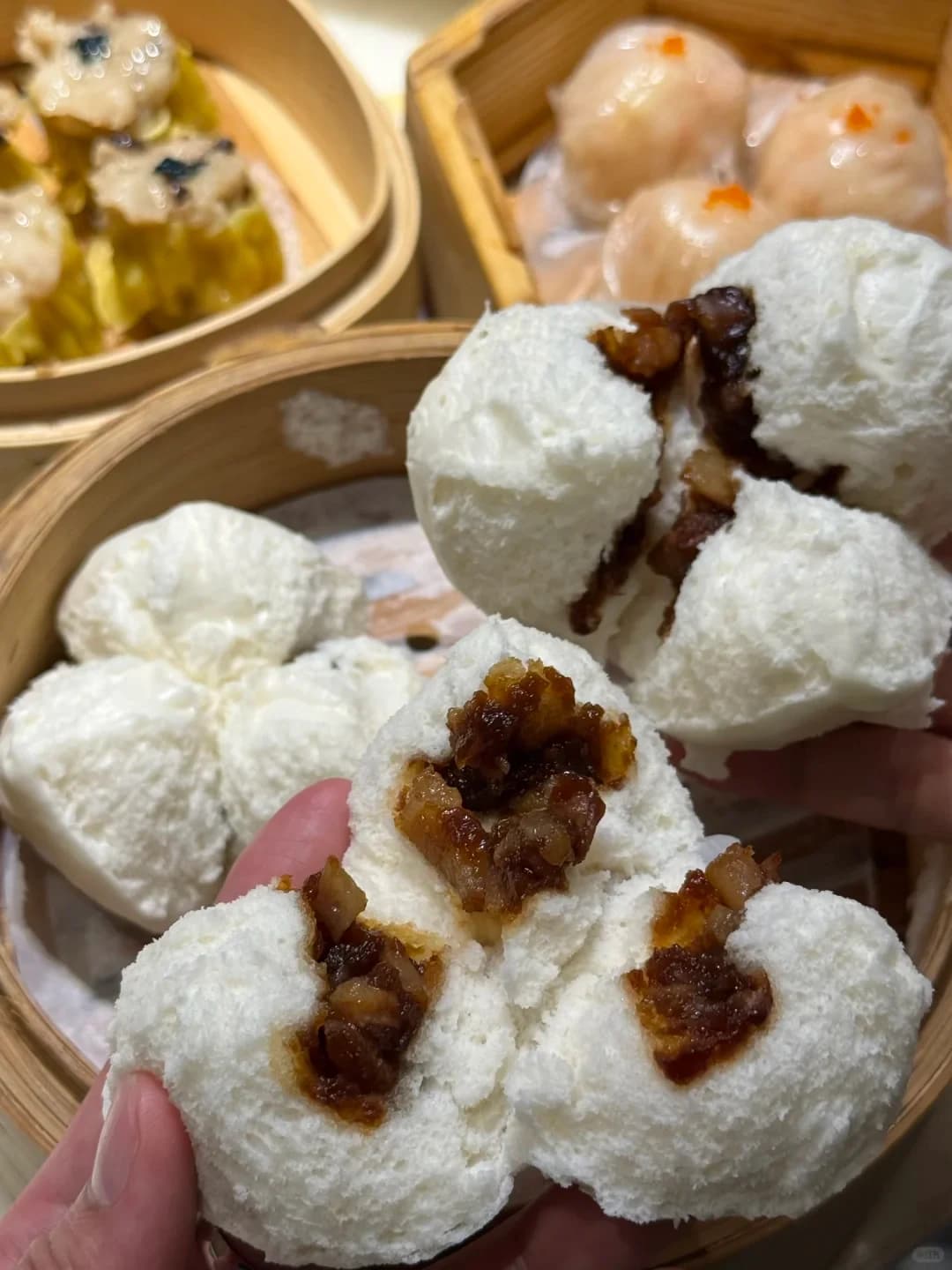
A steamed bun with a sweet-savoury roast-pork filling. One basket is enough when the table is ordering widely.
Fried then steamed until tender, this is a texture-led dim-sum dish seasoned with fermented black bean.
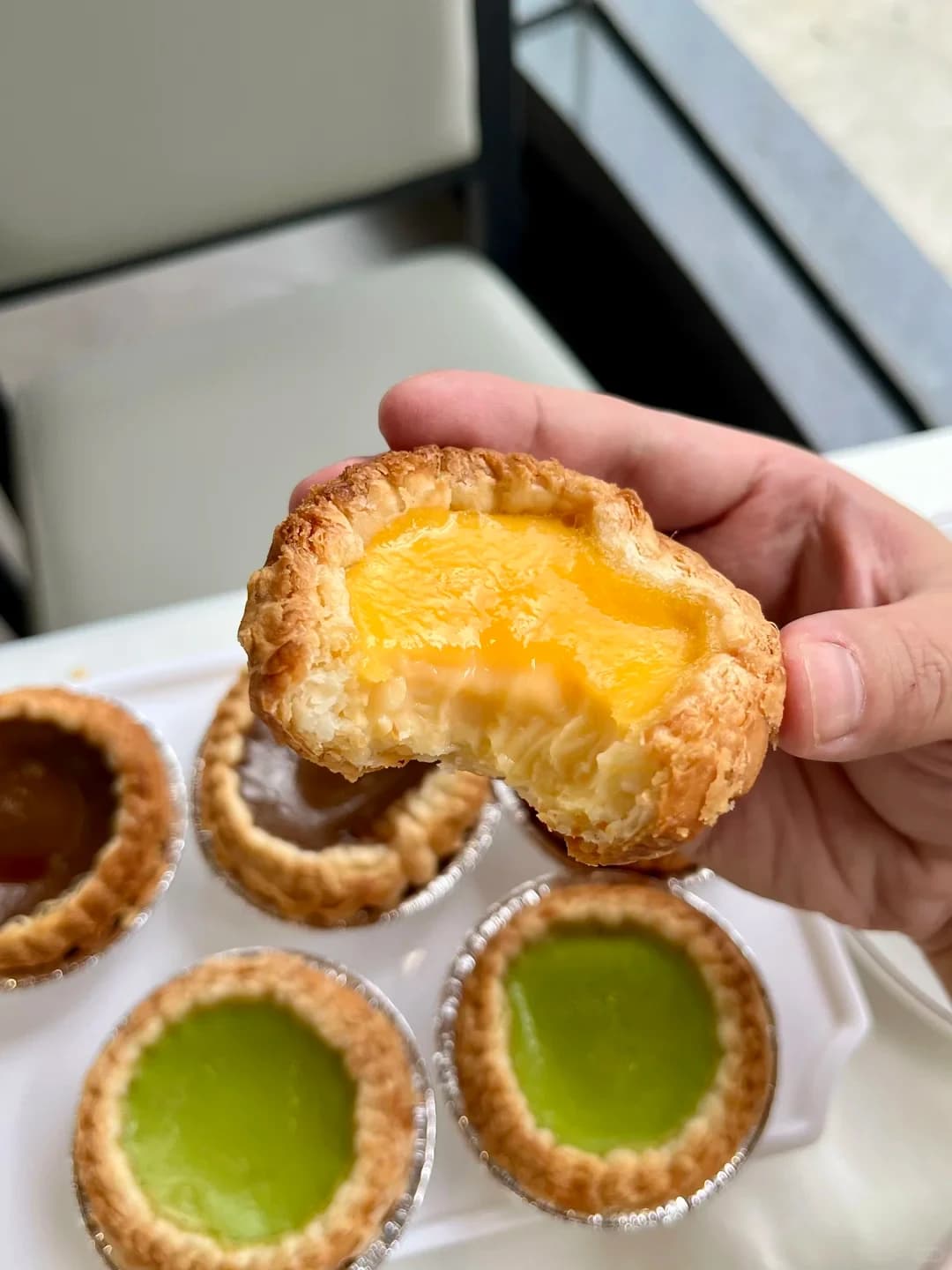
A small custard tart that may use flaky or short pastry. It is best warm, without a cross-city detour.
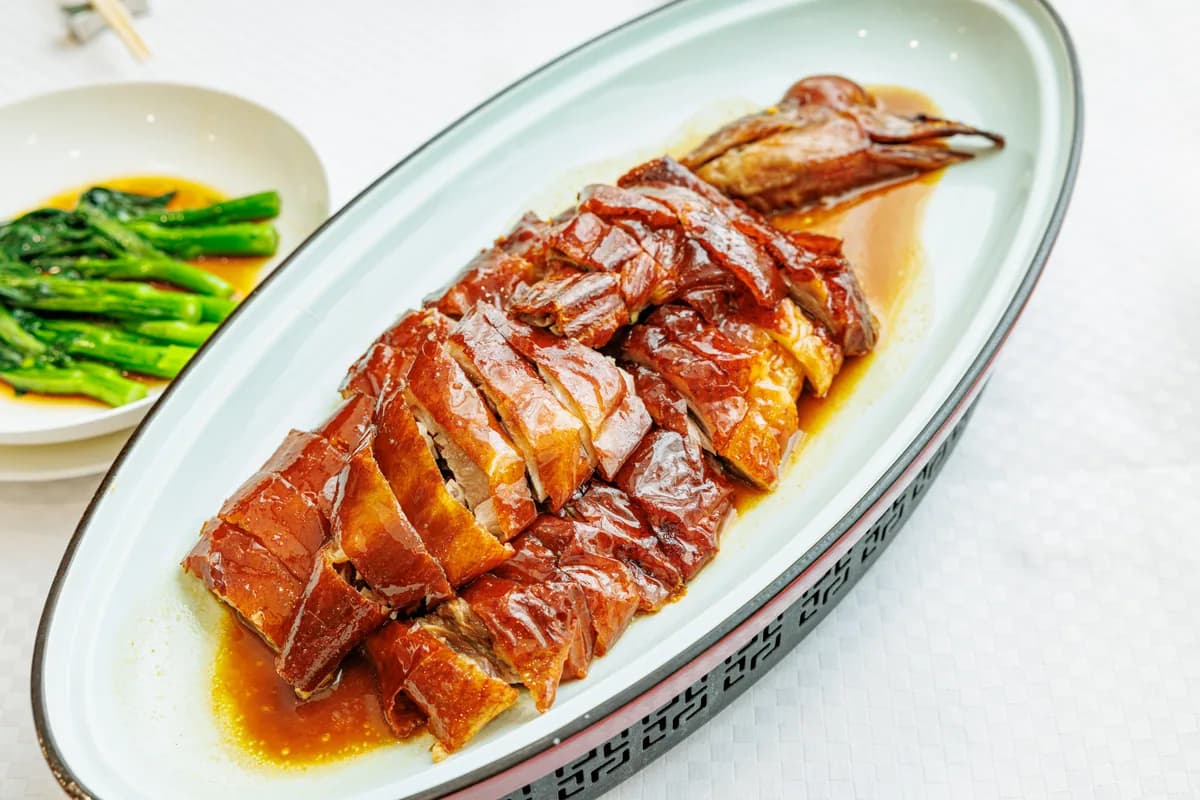
Crisp skin, rendered fat and seasoned meat make roast goose a shared table dish, not simply a rice-box topping.
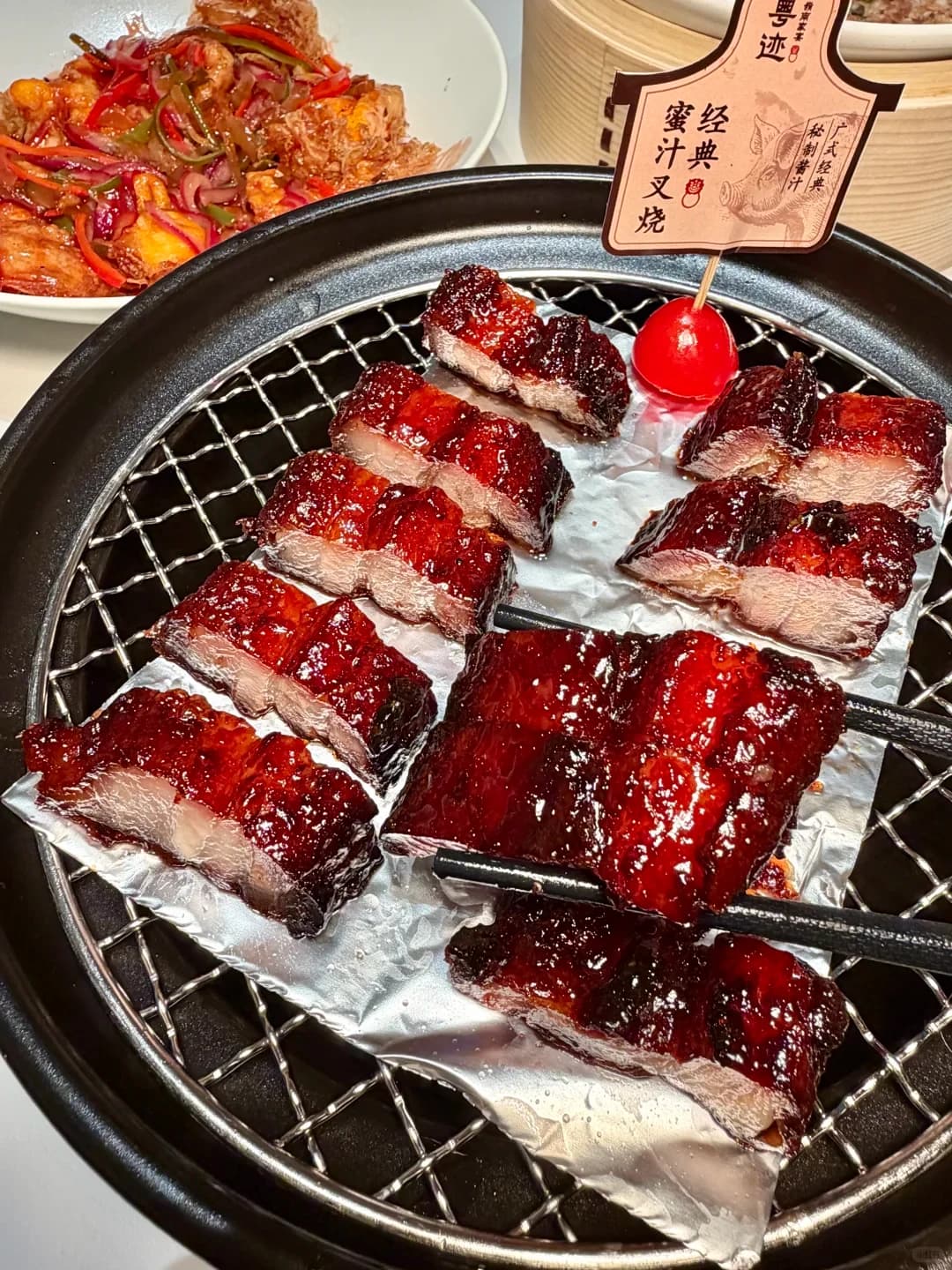
Barbecued pork balances savoury seasoning, caramelised edges and the cut chosen by the shop.
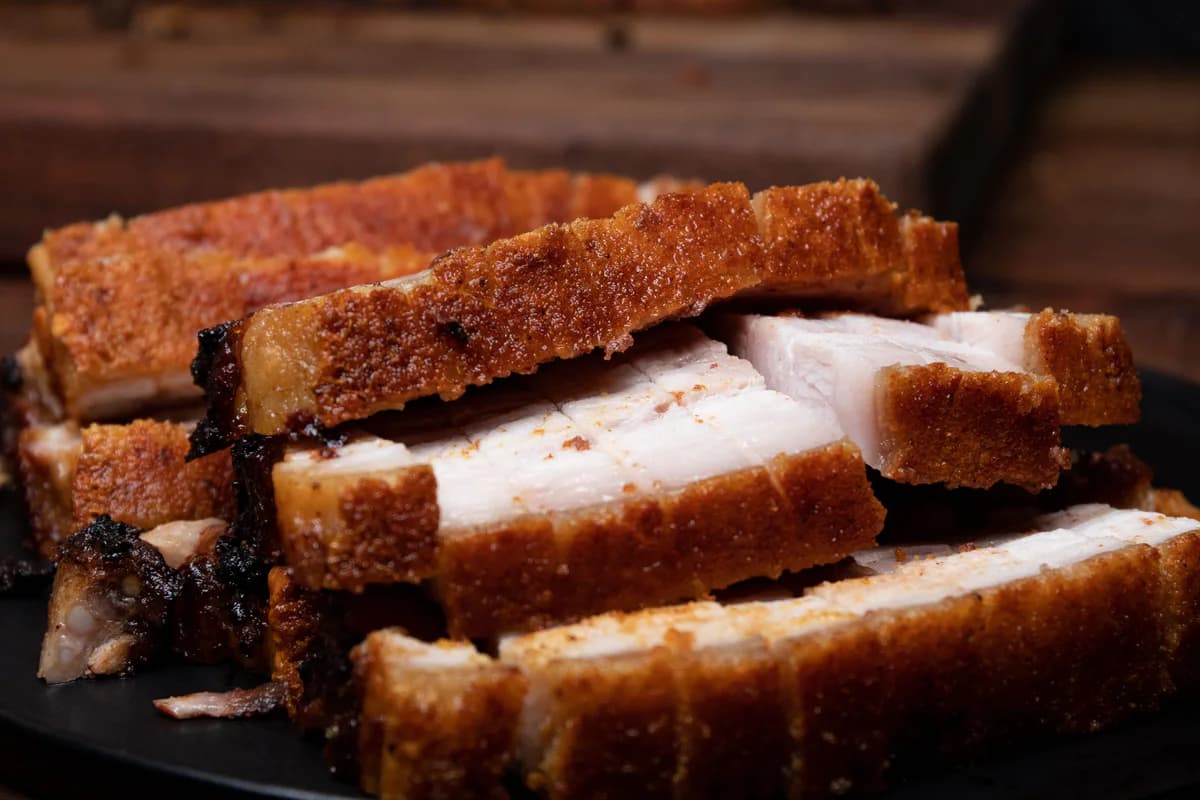
Pork belly with brittle crackling and distinct meat-and-fat layers; a small portion goes a long way.
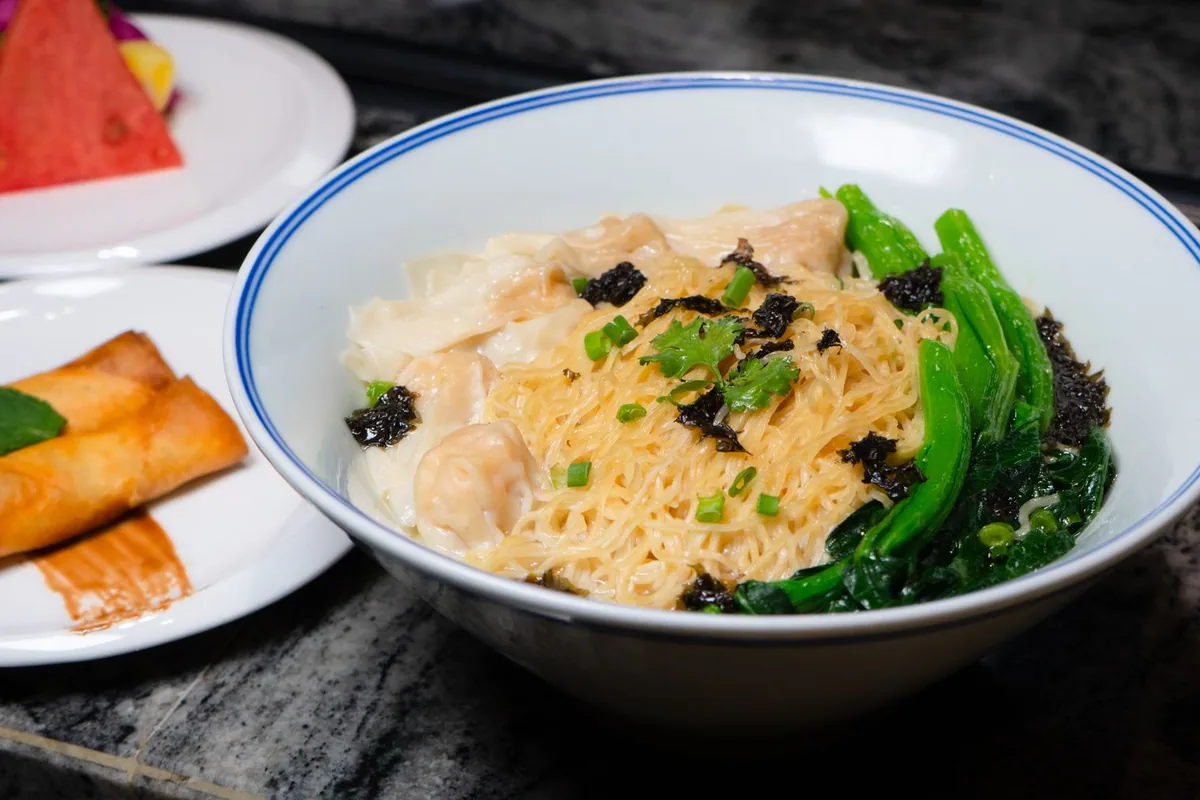
A compact bowl where springy noodles, clear broth and small wontons matter more than oversized toppings.
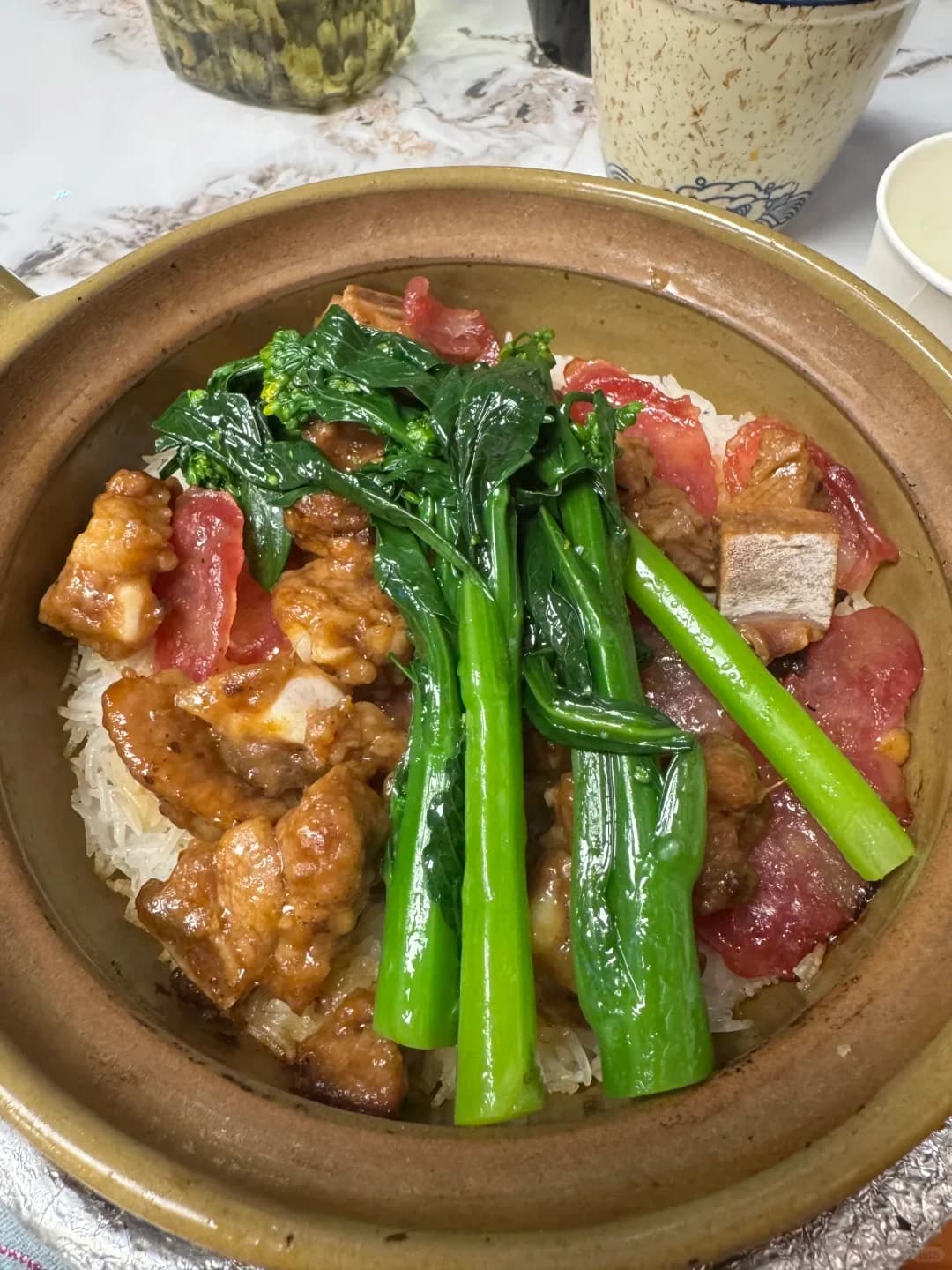
Rice cooks to a crisp crust beneath preserved meat, chicken or other toppings. It requires waiting.
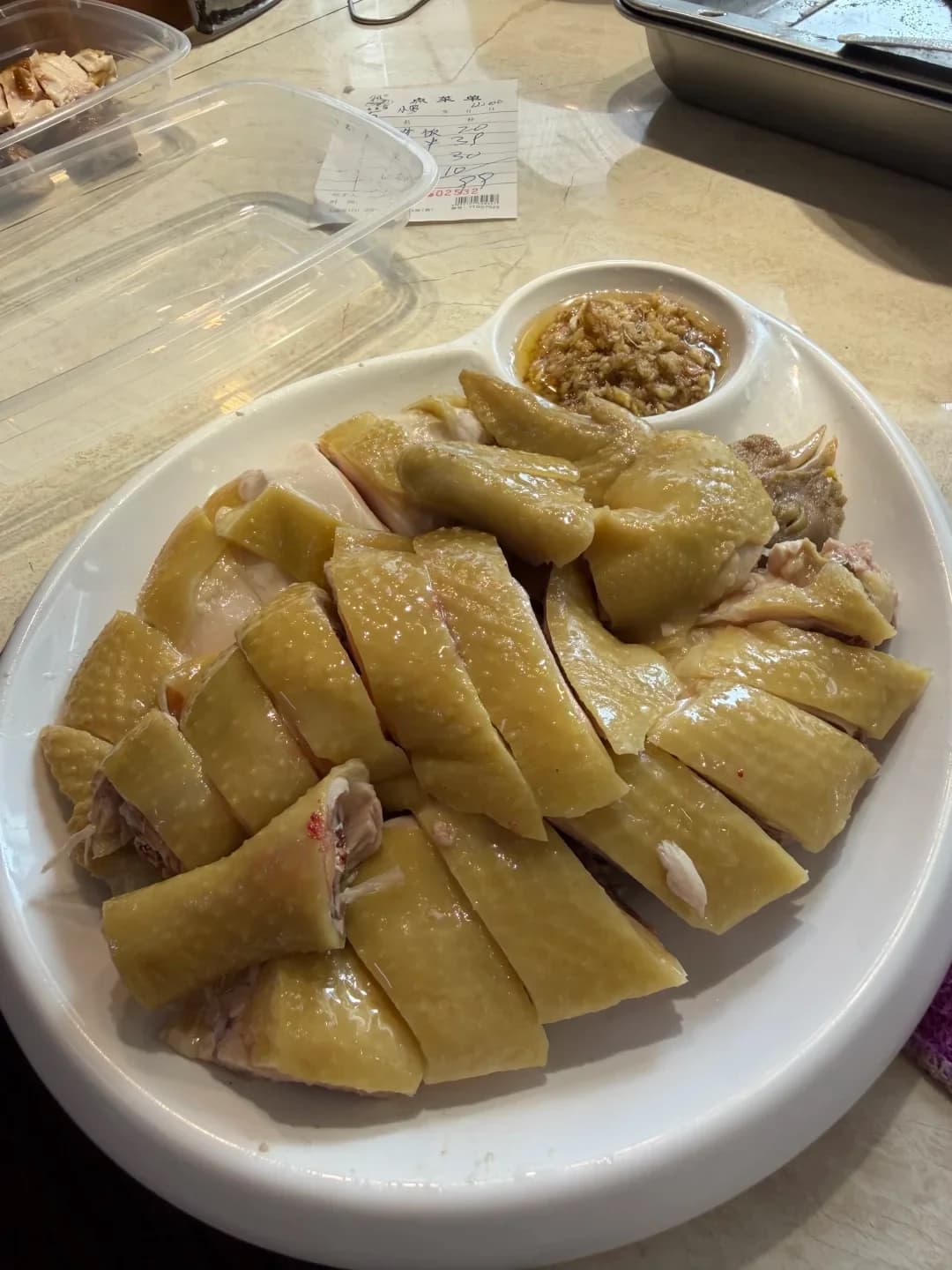
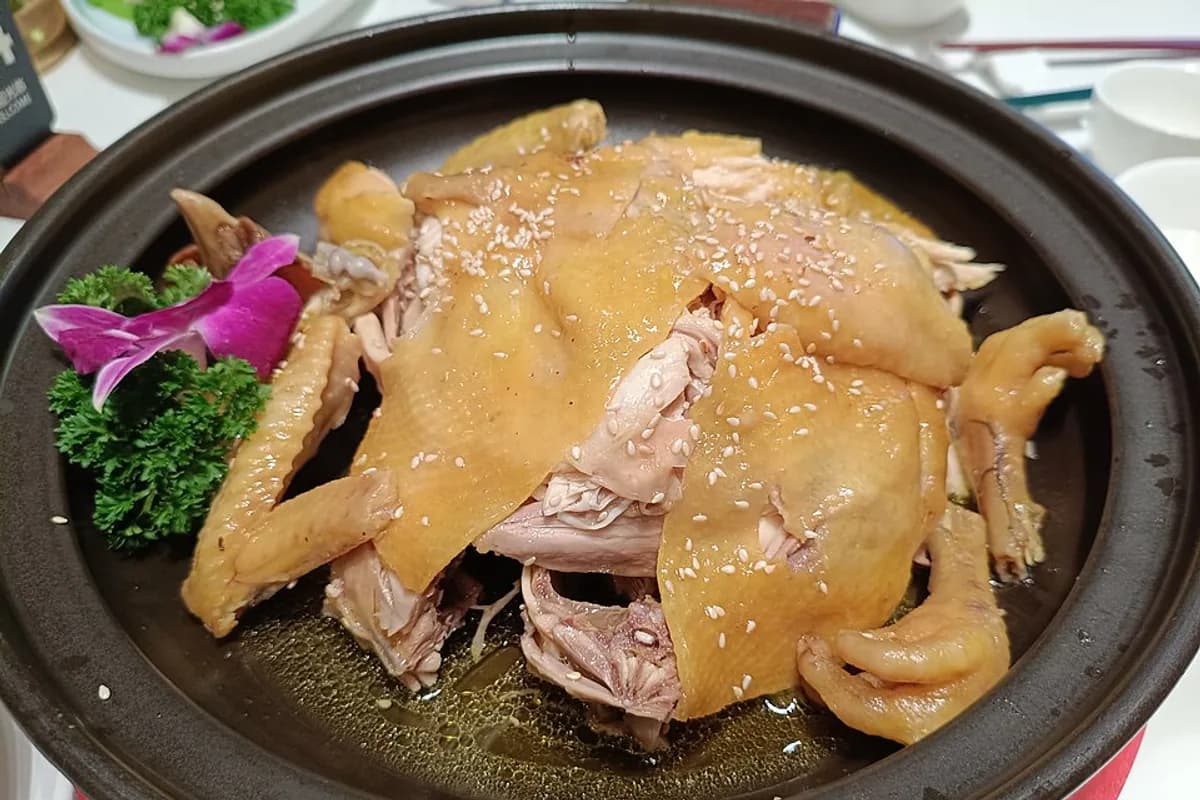
Gently poached chicken is served for clean texture and flavour, with ginger-scallion or other simple condiments.
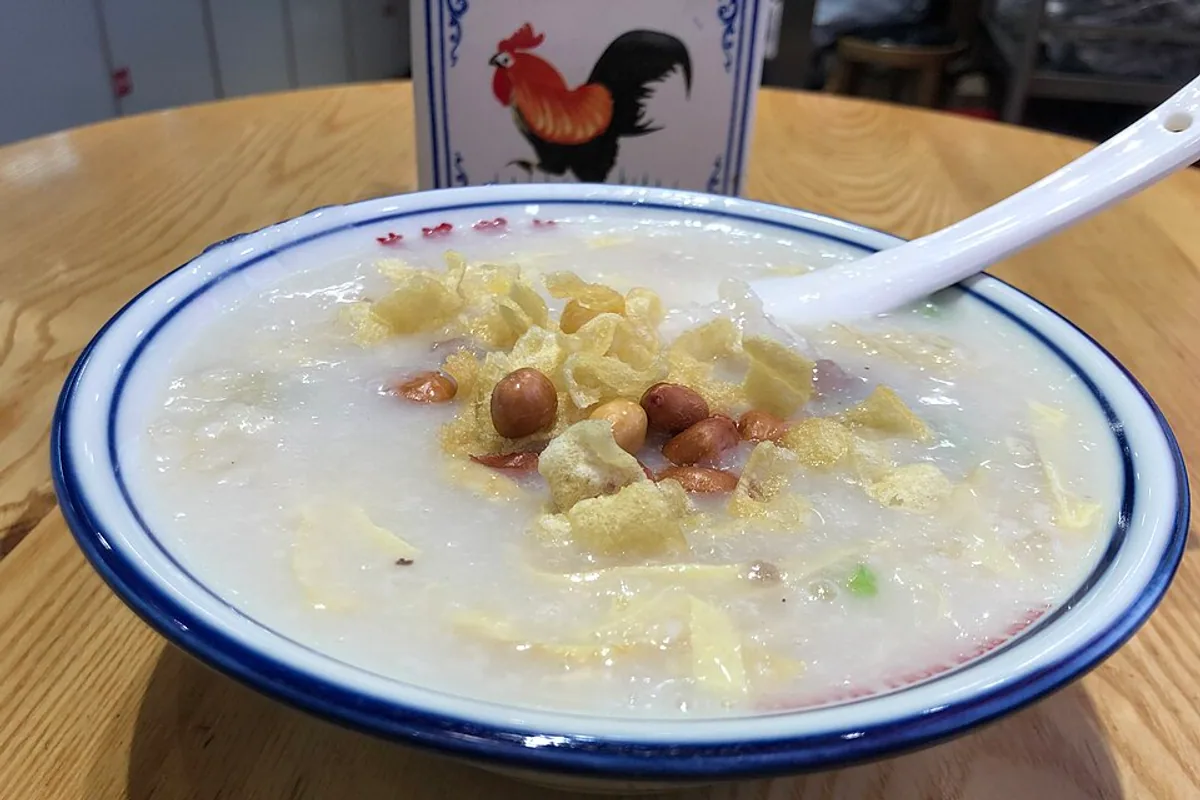
A Pearl River Delta congee with layered toppings that carries the memory of practical waterside meals.
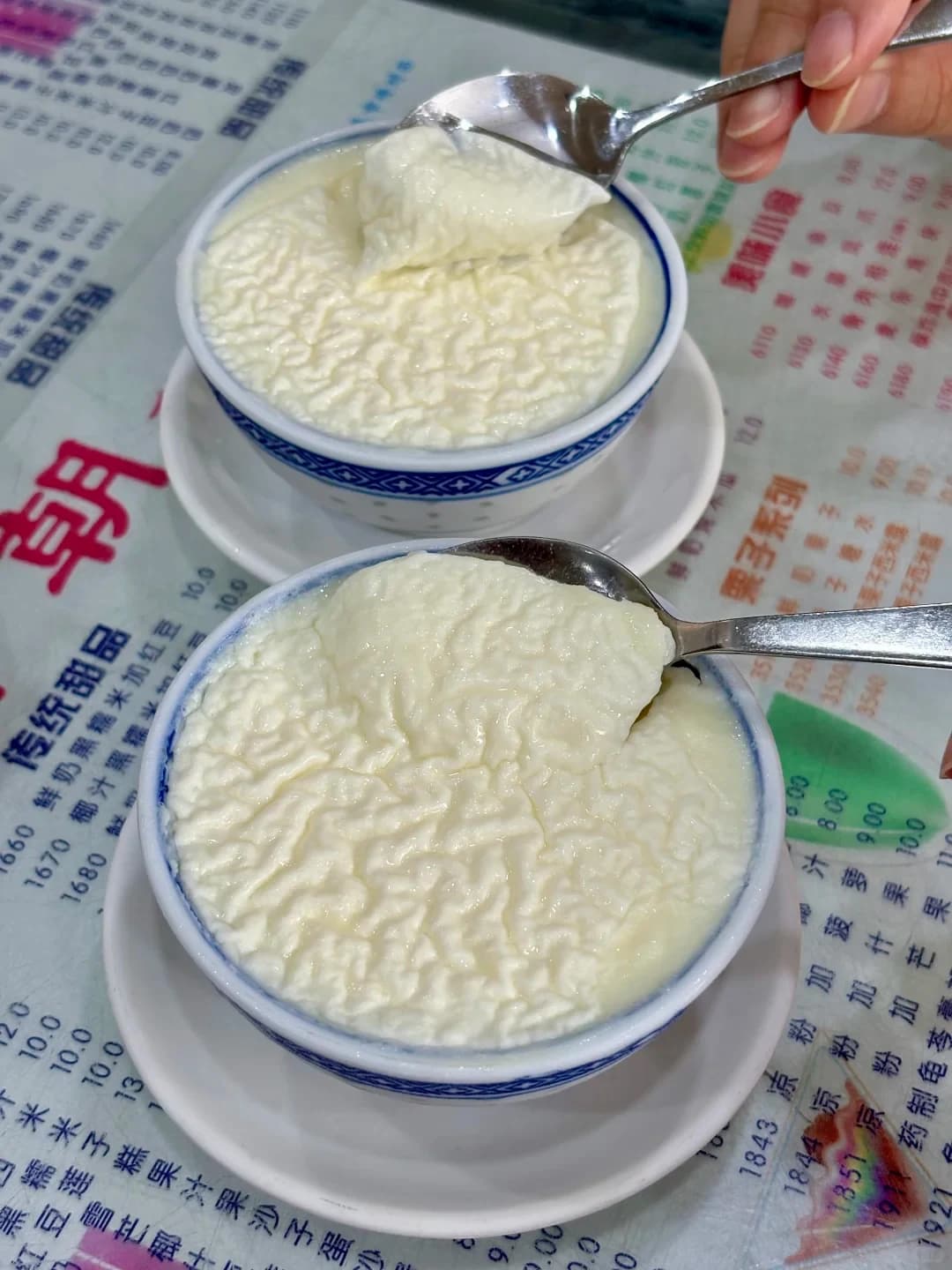
A softly set milk dessert valued for a clean dairy flavour and delicate surface.
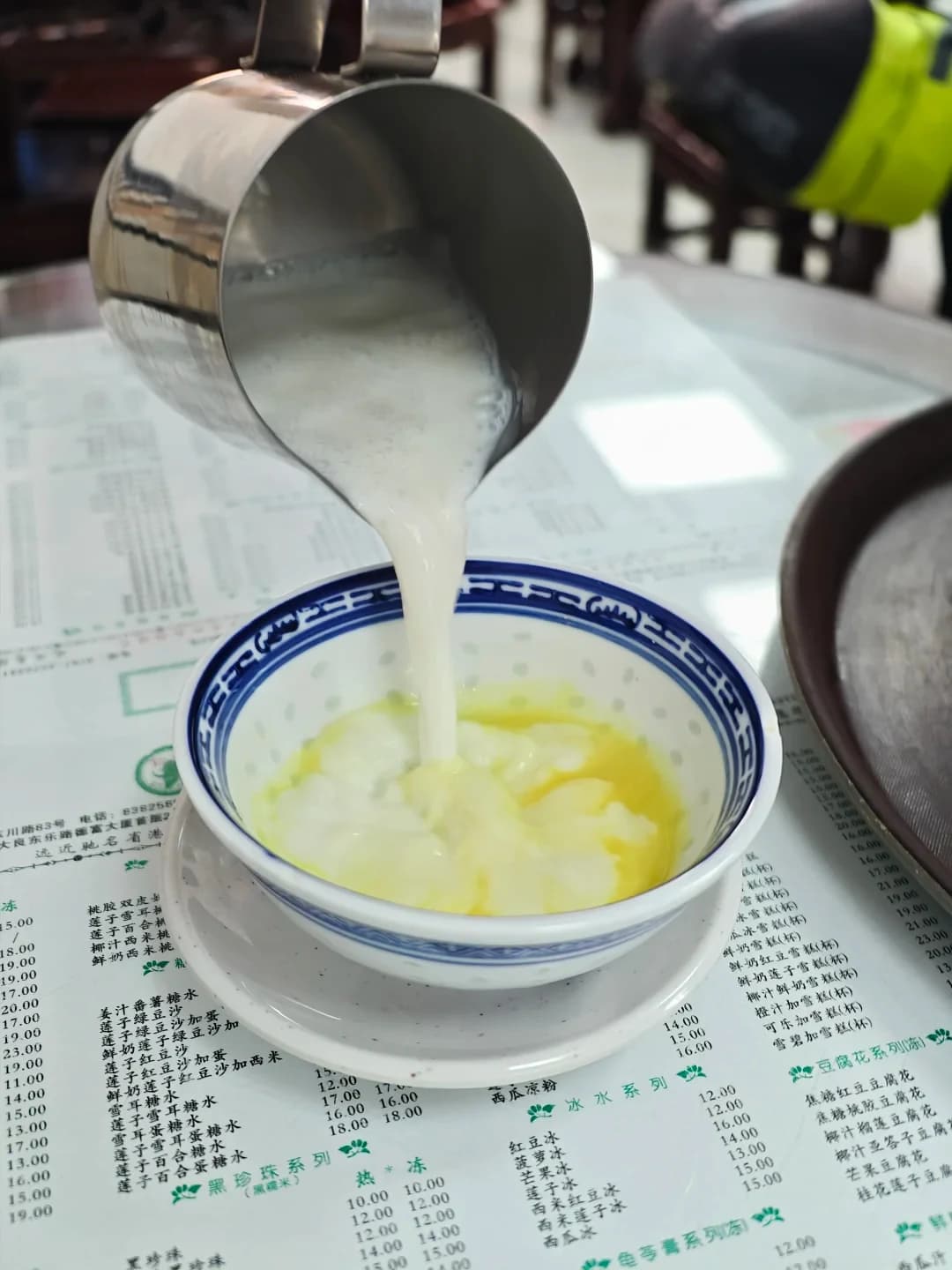
Hot milk sets against ginger juice into a fragile curd with a warm, peppery finish.
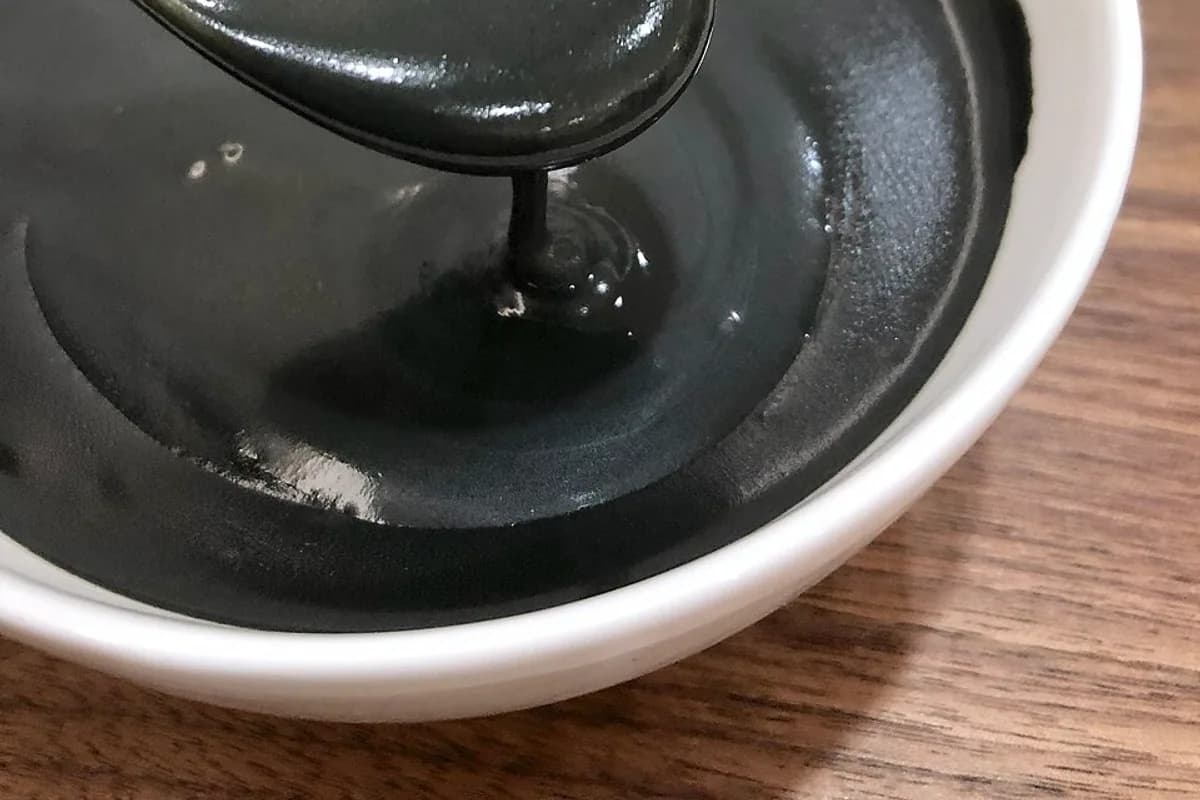
A smooth, roasted sesame dessert served warm; sweetness and thickness vary by shop.
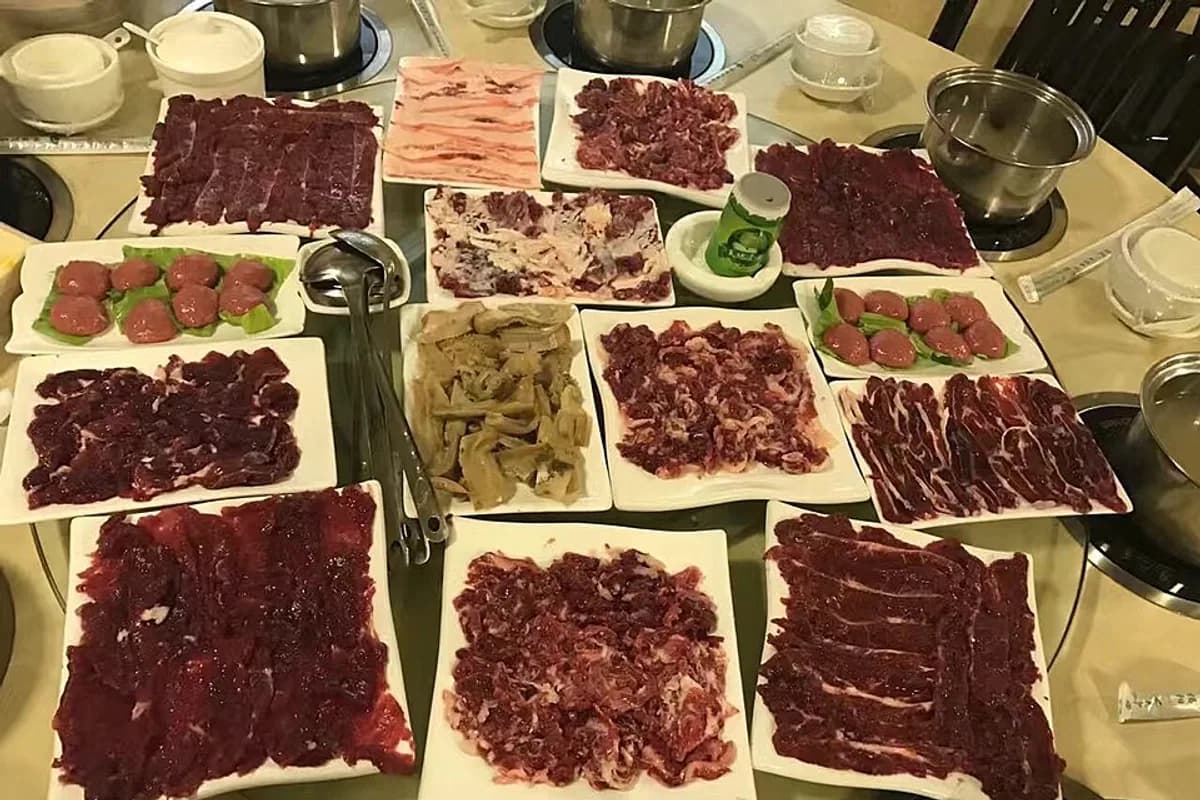
Fresh beef is cut by muscle group and cooked briefly in a clear broth. Ordering for the table matters more than chasing every cut.
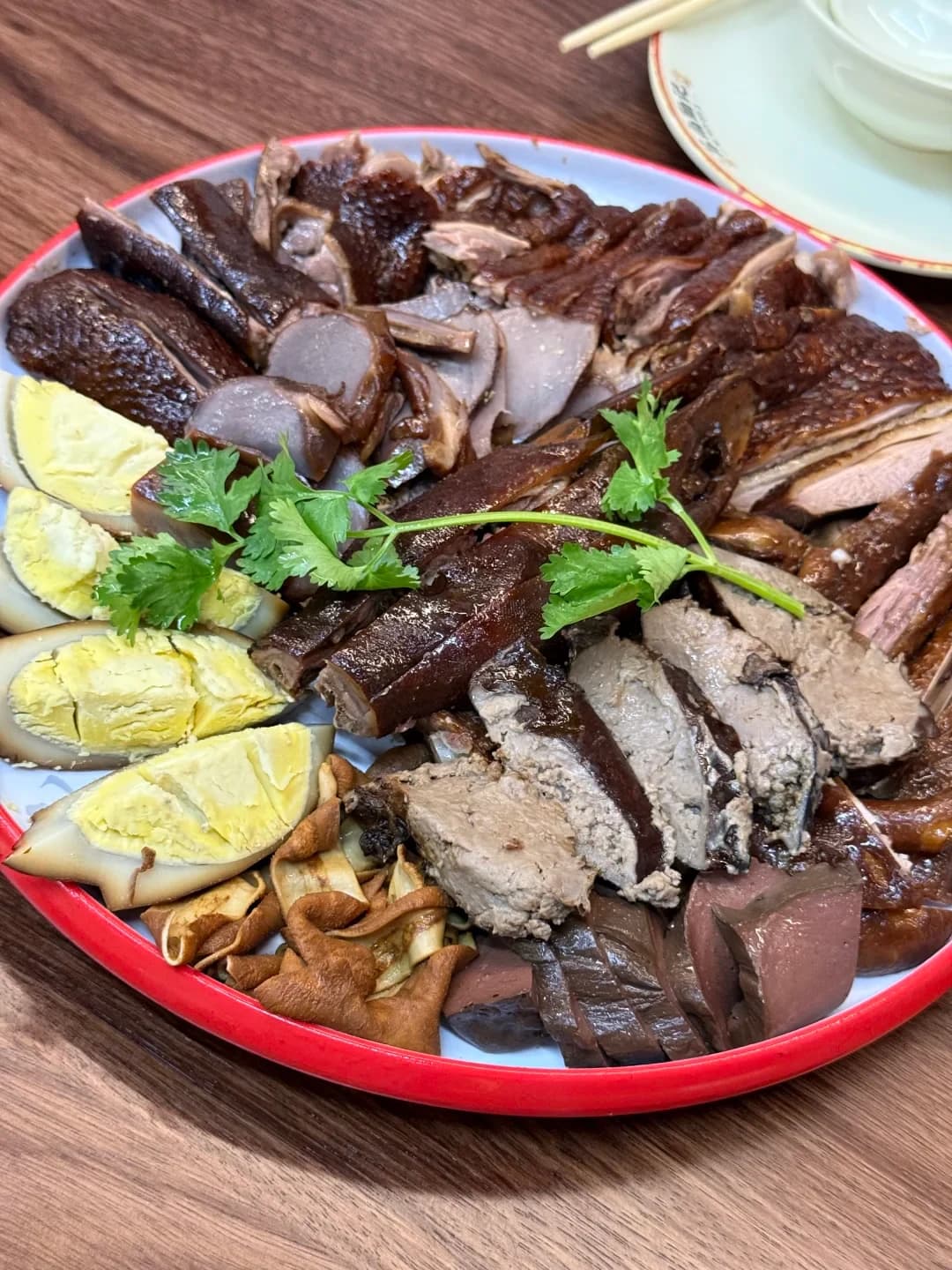
Goose is braised in a seasoned master stock and served by cut; richer pieces are best shared.
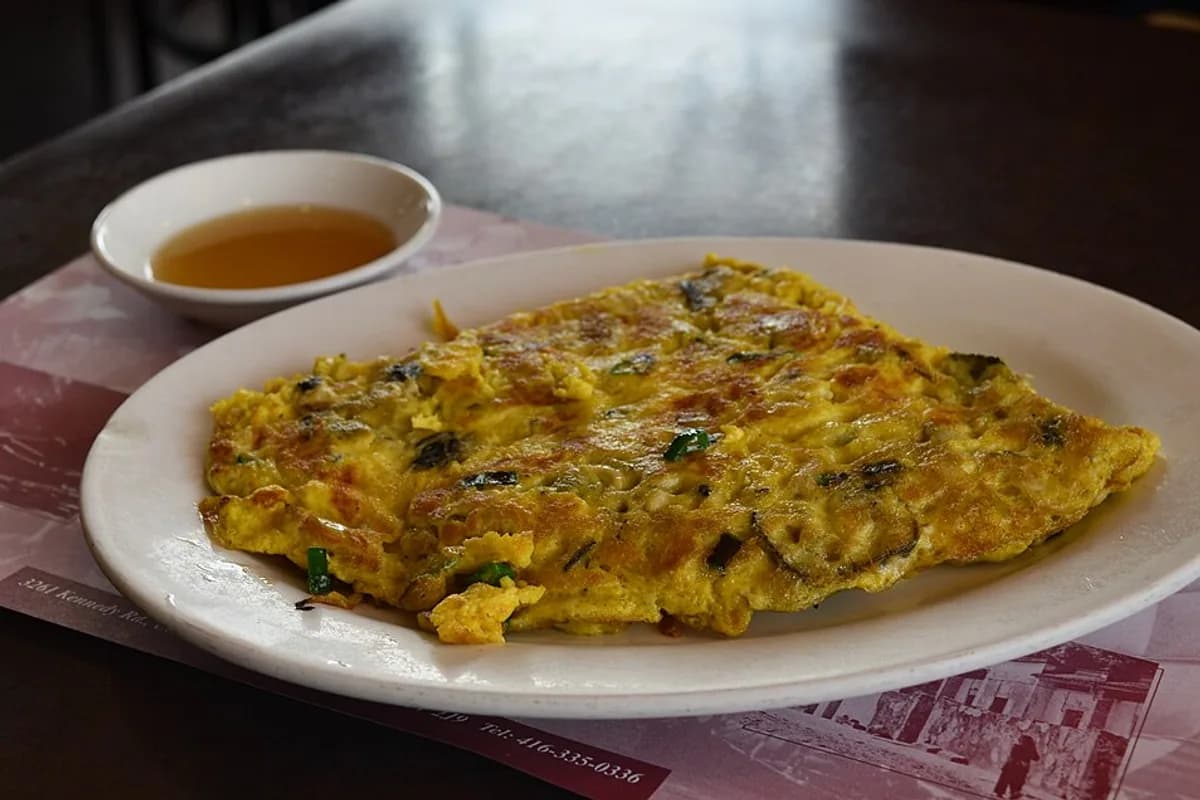
Small oysters, egg and a starch batter form crisp edges and a soft centre.
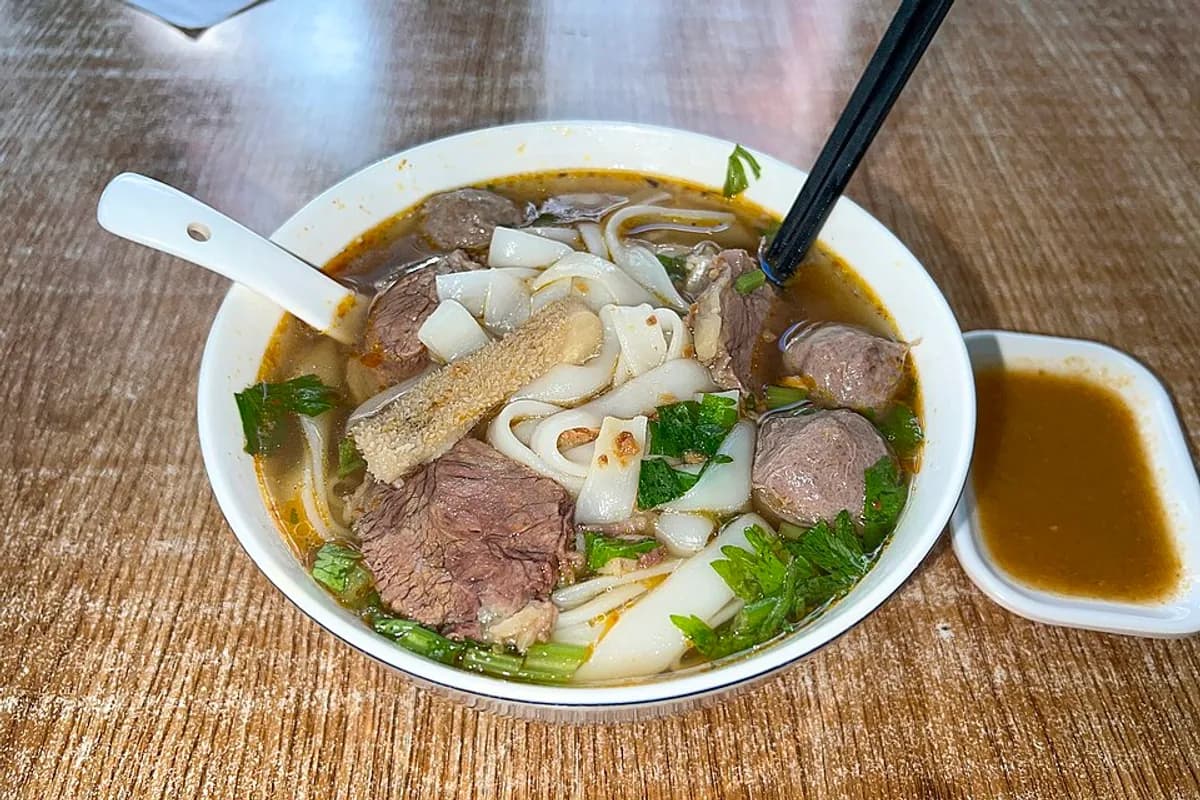
Flat rice noodles in a clear broth make a simple breakfast or light meal, with toppings chosen at the counter.
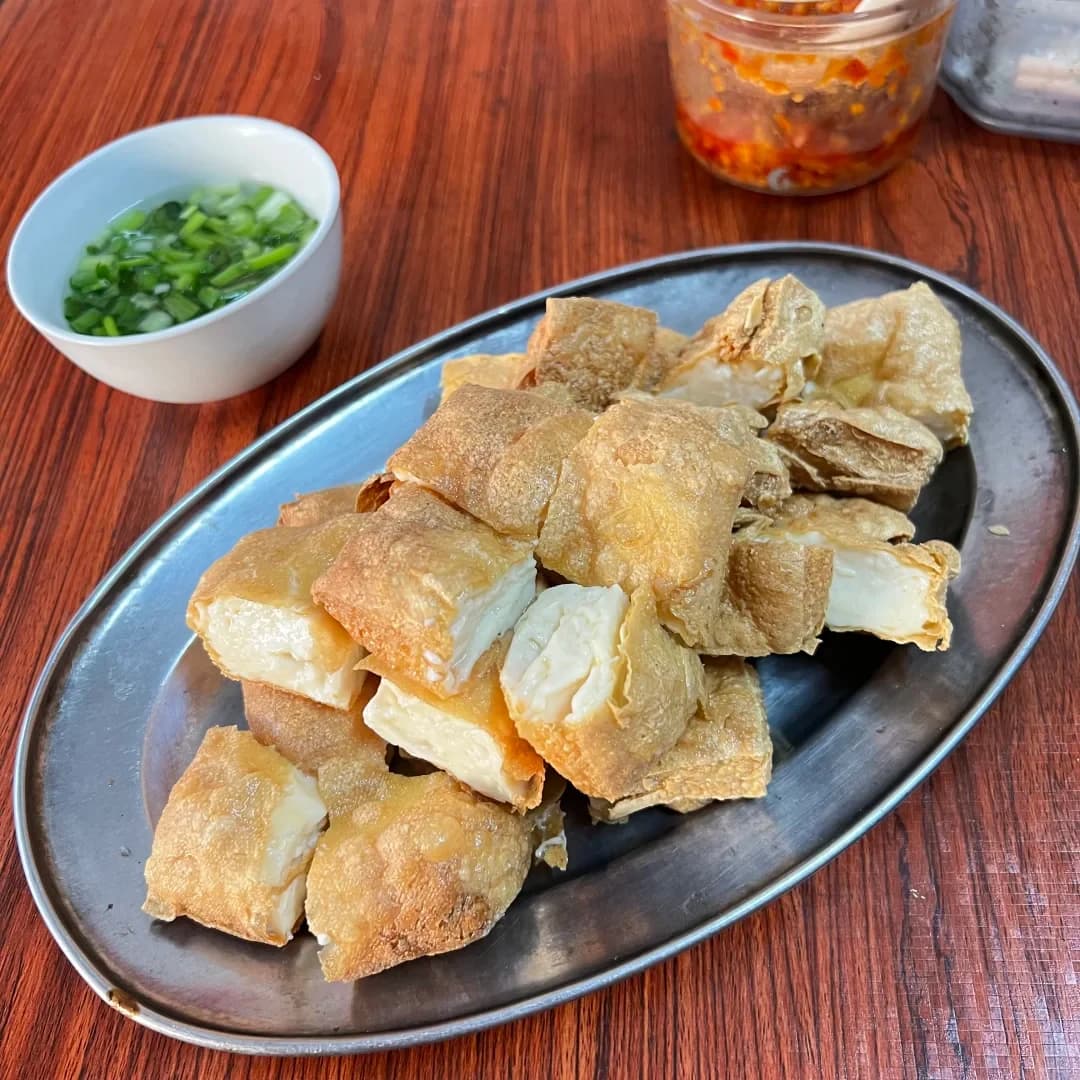
Fresh tofu is fried for a crisp shell and soft centre, then eaten with a simple dipping salt or chive water.
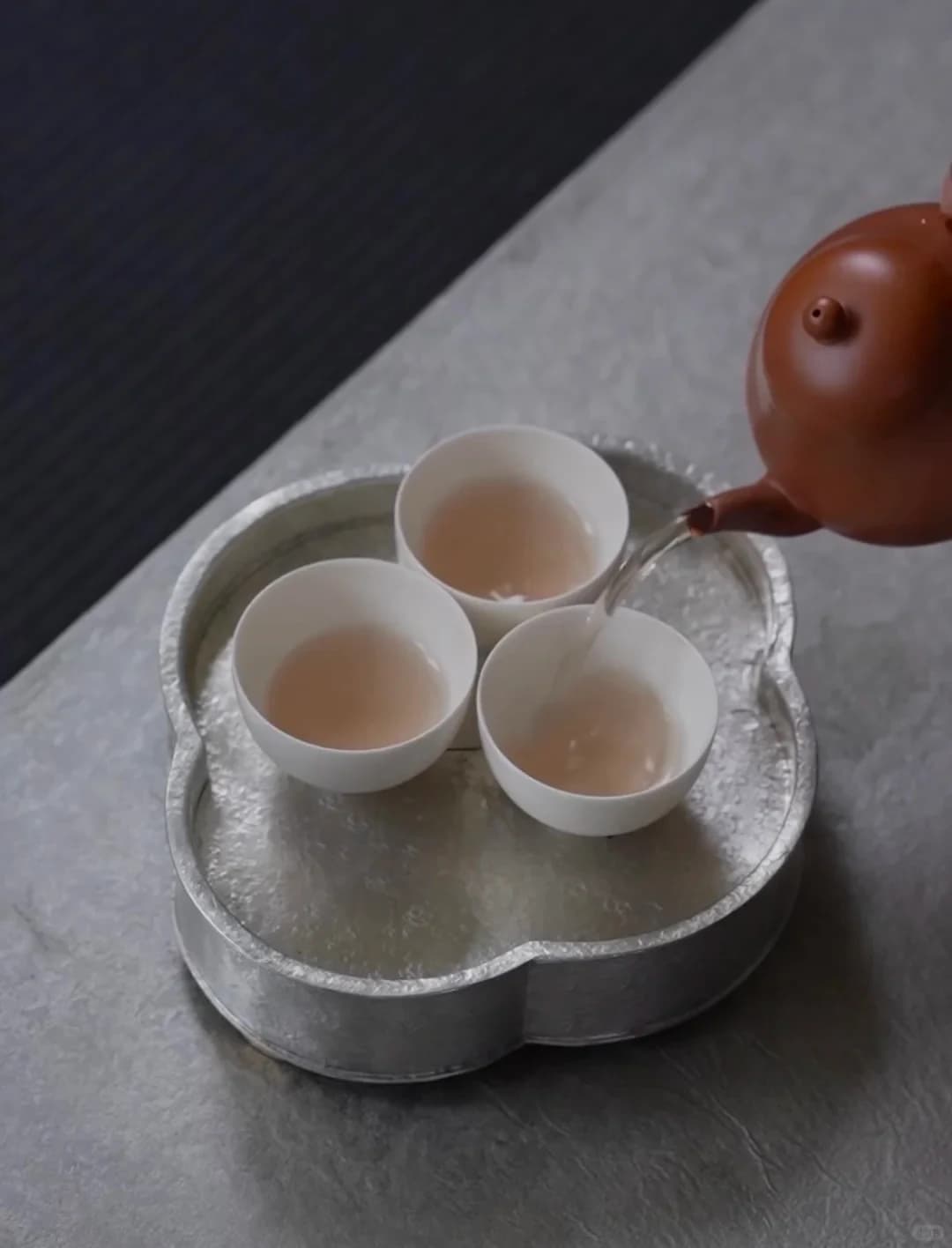
Small pots and cups focus attention on repeated short infusions. It is a social rhythm, not a theatrical tasting performance.
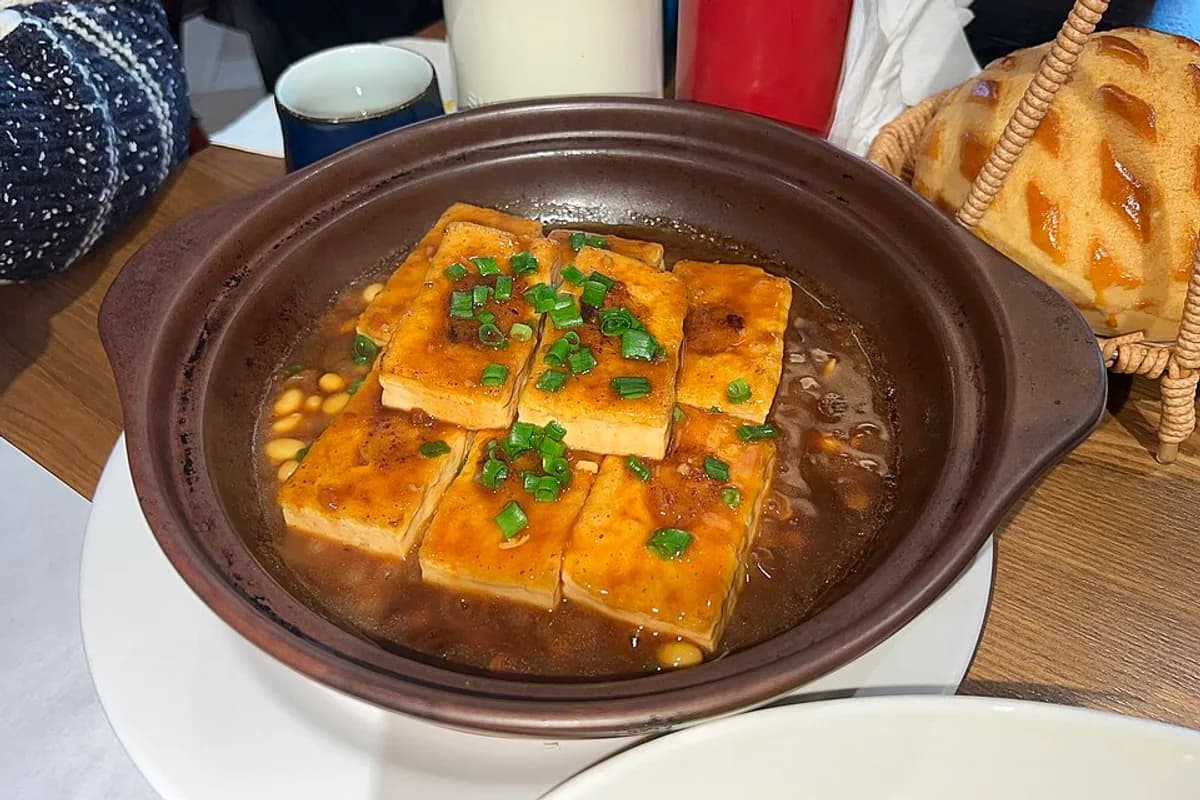
Tofu is filled with seasoned minced meat and braised or pan-cooked as part of a shared meal.
A fragrant chicken dish associated with Hakka cooking; modern preparations vary, so ask how the restaurant makes it.
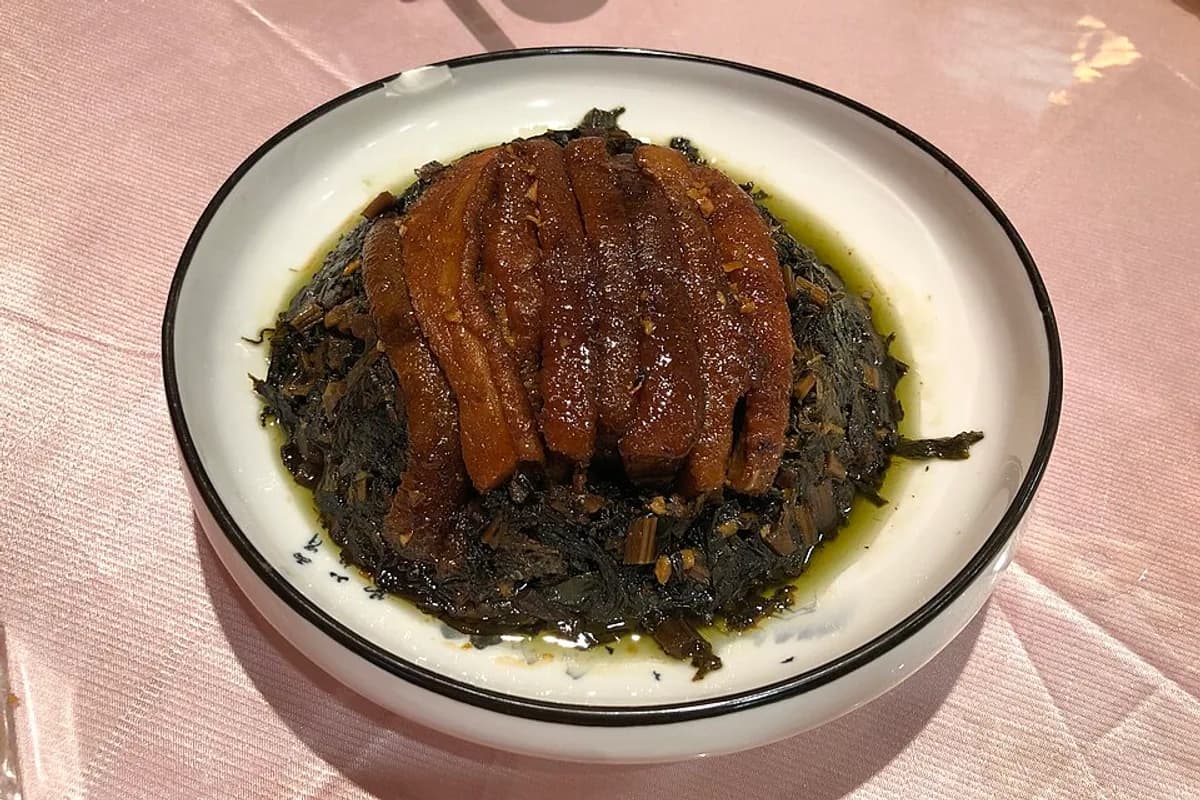
Rich pork belly and salty-sweet preserved greens make this a substantial dish meant for rice and company.
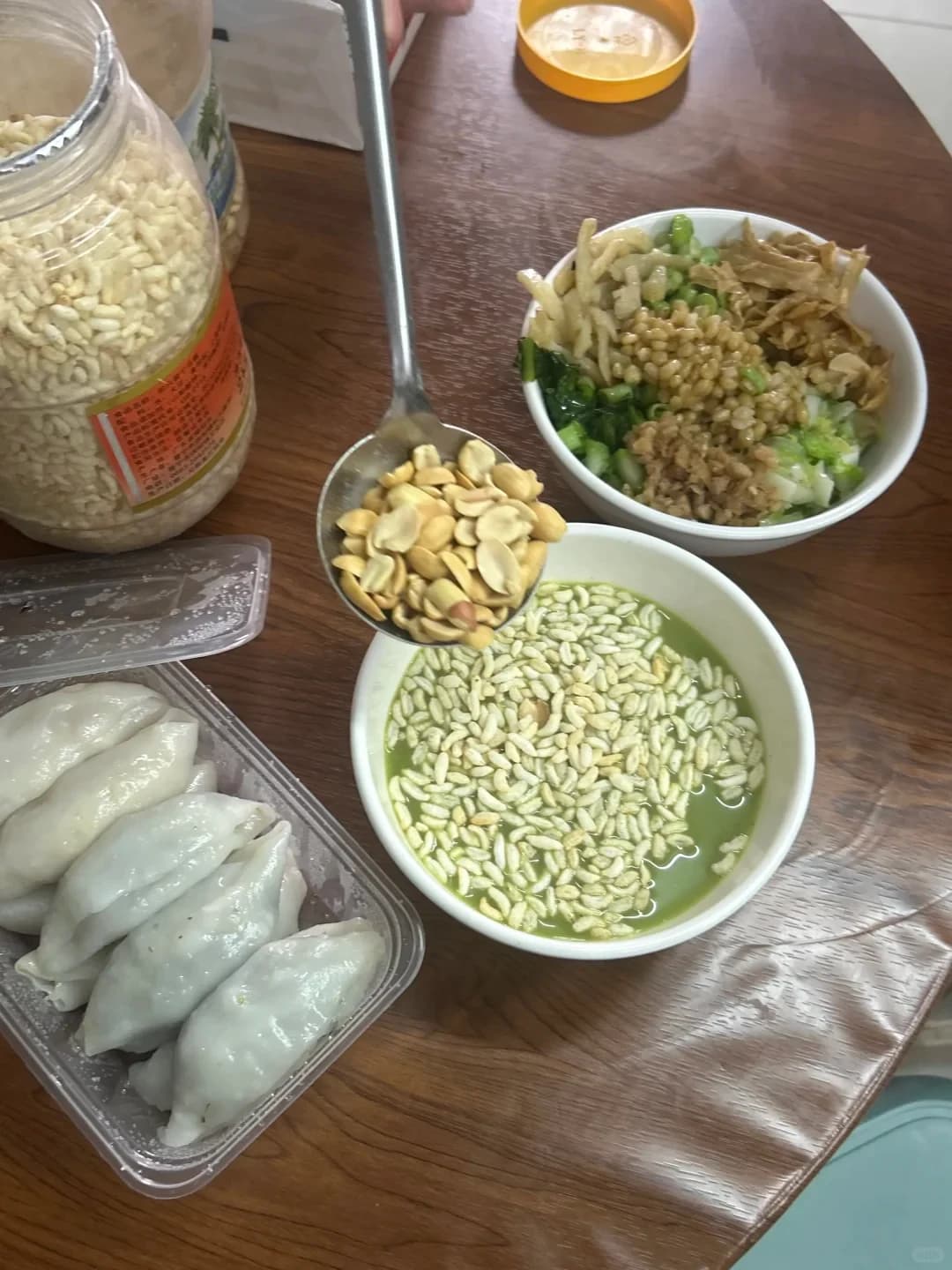
Herbs, tea and nuts or seeds are ground into a savoury mixture, served with rice and vegetables in regional variations.
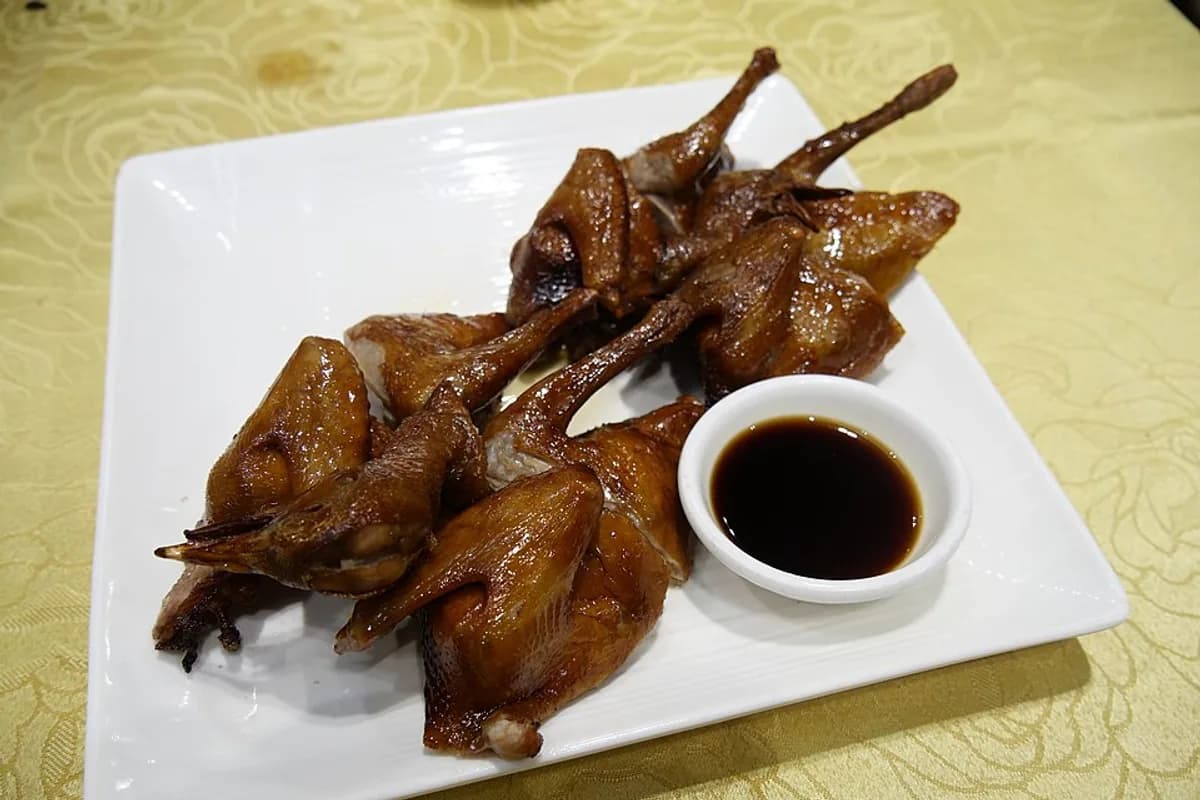
A small roast bird served for crisp skin and juicy meat, best eaten promptly after it reaches the table.
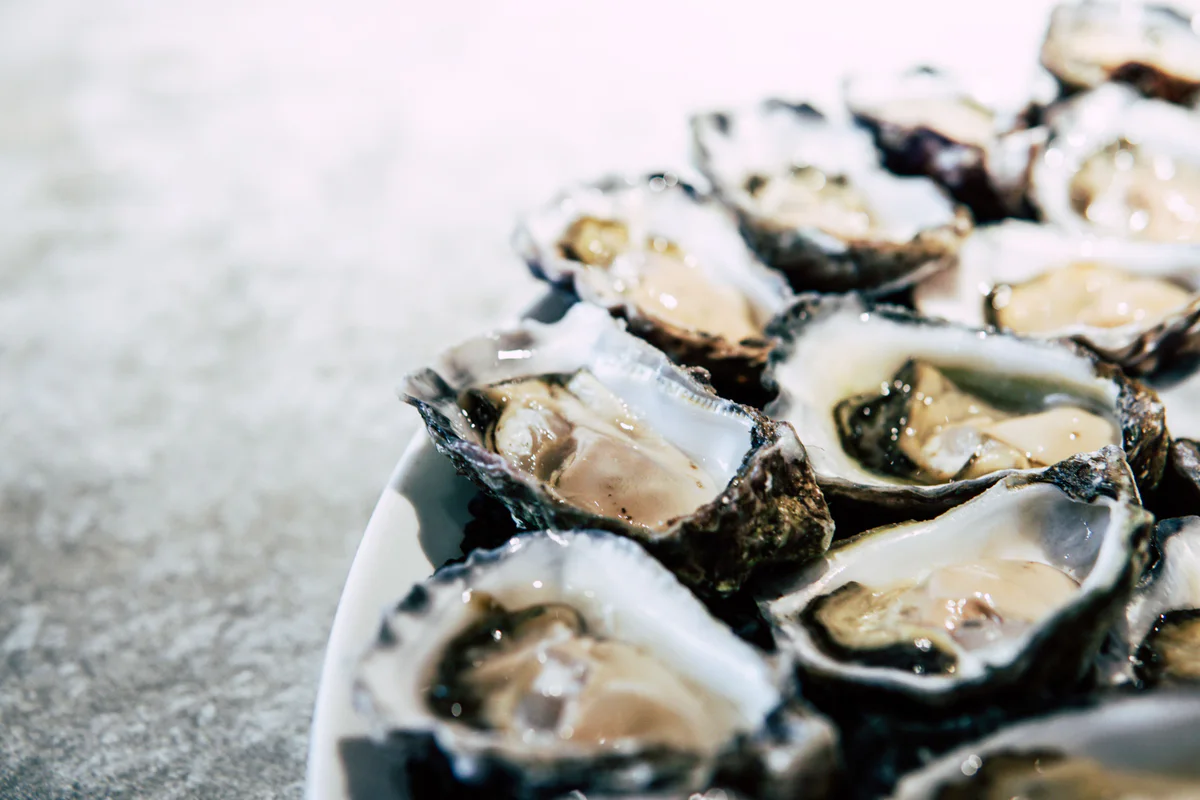
Oysters are part of Hengqin’s food identity, but size, season and current supply should guide the order.
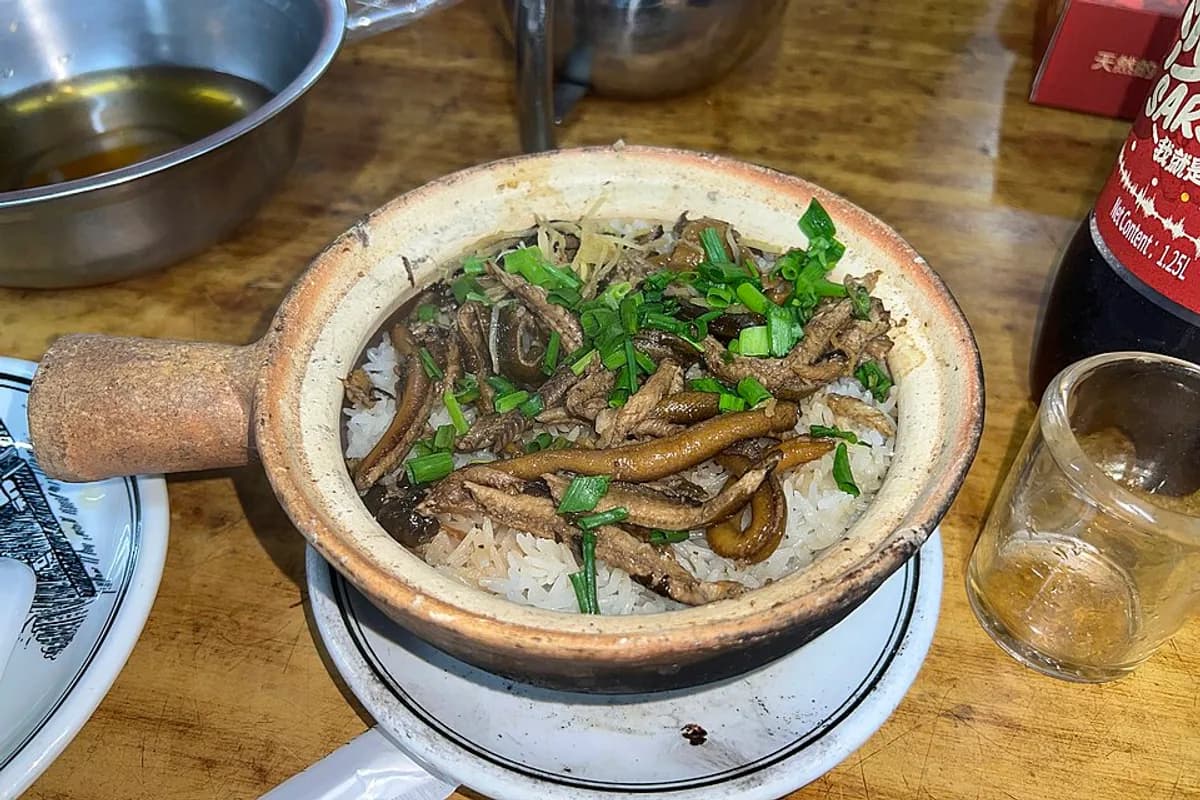
Rice and eel cook together for savoury depth and a crisp pot edge; it should be planned as a full meal.
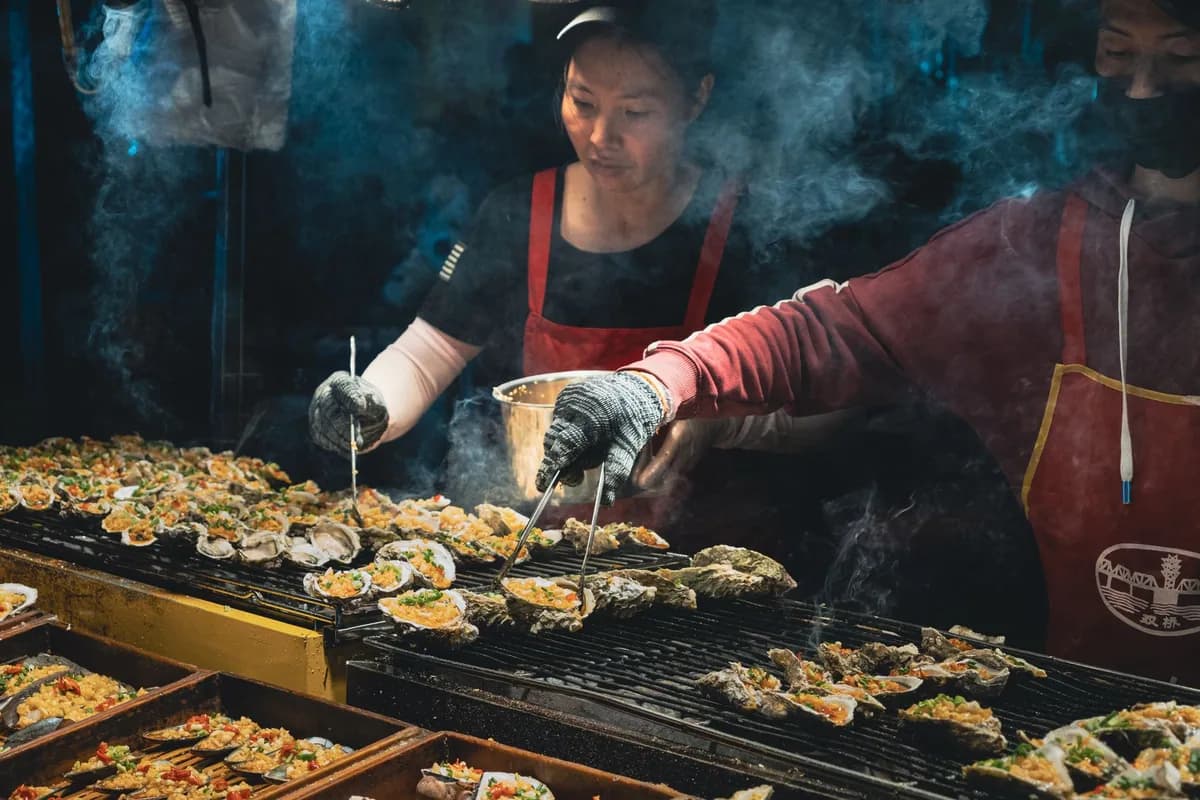
An estuary food linked to Bao’an’s older oyster-farming story, including fresh oysters, dried oysters and oyster sauce.
Where to base yourself
Guangzhou is the best first food base because it supports several meal types without long transfers: morning tea, old-city noodles and congee, roast meats, desserts and restaurants representing other Guangdong regions. Use Liwan or Yuexiu for a food-led old-city day, then let another district carry the modern-city chapter. A strong three-day stay can include six different meal settings without becoming a restaurant marathon.
Foshan and Shunde should be planned by geography. Central Foshan combines the Ancestral Temple, Lingnan craft and convenient urban meals. Daliang and other Shunde food areas form another day whose value lies in ingredient-led cooking, not only double-skin milk. Choose one focus, book the meal that truly requires it and leave room for the next appetite. A dessert-only dash from Guangzhou captures a name but not the place.
Chaozhou and Shantou are best treated as a three-night pair, not interchangeable labels. Chaozhou’s old city supports walking, tea, braised foods and small meals around heritage streets. Shantou brings port-city arcades, markets and its own restaurant geography. Sleep in the city that carries the early morning and late evening you care about; use the intercity move for a planned transition rather than commuting for every meal.
Shenzhen’s table explains migration and metropolitan scale. Shajing oysters and Hakka roots predate the recent boom; Chaoshan beef hotpot, regional chains and food from across China show how arrivals changed daily eating. Choose food near the district story - Huaqiangbei, Nantou, Shekou, Luohu or an eastern settlement - because crossing the full city for one recommendation can cost more time than the meal itself.
Morning tea, roast meats, noodles, old-city congee and a broad range of regional Guangdong restaurants.
Use a full day rather than squeezing one dessert between Guangzhou sights.
The strongest setting for beef hotpot, braised goose, rice noodles, seafood and gongfu tea.
Local oyster and Hakka roots sit beside food brought by people from every part of China.
Ordering and etiquette
Order in rounds whenever the kitchen and service style allow it. A first round reveals basket size, portion weight and the table’s appetite; the second can correct the balance with vegetables, rice or soup. This is especially useful at yum cha and shared regional dinners. At specialist places with long preparation - claypot rice, whole fish or certain braises - ask what must be ordered early.
Tea, condiments and tableware may carry small charges; seafood may be priced by weight; private rooms can have minimum spending. None of these is automatically a problem when stated clearly. Ask before confirming the order, repeat the unit, and photograph or keep the written price when choosing live seafood. If the answer remains vague, select a clearly priced dish instead.
Queues need a threshold. Decide in advance how long the meal is worth relative to the rest of the district, then keep a nearby backup serving the same meal type. A forty-minute wait may be reasonable on a food-led morning and absurd before a timed museum reservation. The backup should match the setting - another tea house, roast counter or noodle shop - not a random substitute chosen only because it is close.
For allergies, vegetarian needs or religious restrictions, communicate the ingredient and the preparation risk separately. “No peanuts” is different from asking about peanut oil, garnish and shared equipment. “Vegetarian” may still require questions about stock, oyster sauce or lard. Carry a written Chinese note, confirm it with staff and choose simpler preparations when certainty matters more than variety.
Practical answers
Morning tea and dim sum are the best-known entry point, followed by roast meats, seafood, Chaoshan beef hotpot, Hakka stuffed tofu and many regional noodles and sweets.
Not exactly. Cantonese cooking is one major tradition, while Chaoshan and Hakka cuisines are also central to Guangdong’s food landscape.
Try one morning tea, wonton noodles or rice rolls, a roast-meat plate, one regional shared dinner and a neighbourhood dessert.
Guangzhou is the easiest all-round first base. Chaozhou and Shantou provide deeper Chaoshan context; Foshan and Shunde reward a dedicated food day.
Keep dish names and allergy notes in Chinese, use photo menus carefully, confirm portion size and price, and ask hotel staff to write down critical dietary needs.
Need a route built around you?
Share your dates, party, pace, interests and known arrival point. We will understand the brief before discussing a planning scope.