Shenzhen food guide · checked 8 August 2026

Shenzhen food, one district at a time

A practical guide to older Bao'an and Hakka flavours, the migrant-city table, where to eat and which named places offer a sensible start.

Decide where the day happens before deciding what to eat.

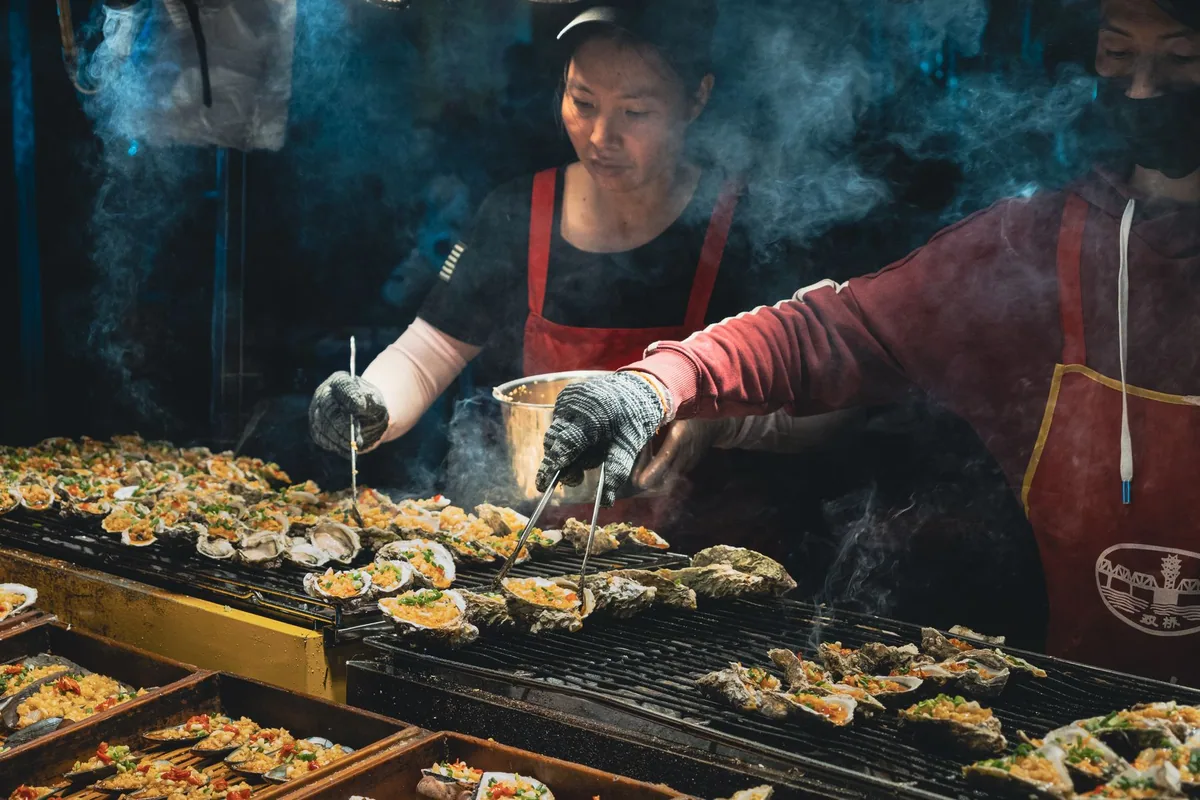
Oysters grilling over charcoal at a market stall
Shajing oysters have an estuary history; the photograph shows oysters grilling at a market stall.

YOUR FIRST SHENZHEN FOOD DAY

Let the district choose the meal

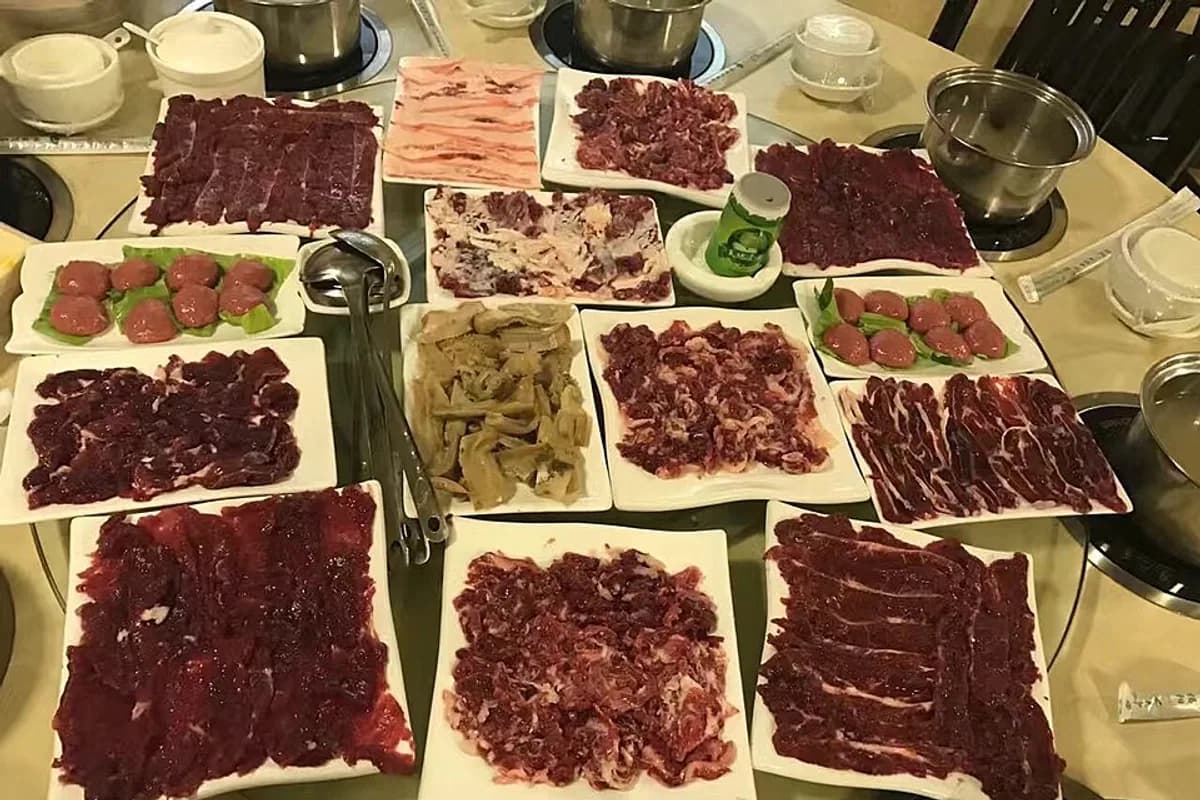
Shenzhen stretches too far for a citywide food crawl. Eat beef hotpot after Huaqiangbei, stop for old Shekou snacks when you are already in Nanshan, and keep roast pigeon or seafood for the district where each belongs. The result is a better meal and much less time in transit.

Oysters grilling at a market stall · YIMING TANG · Pexels License

Four choices that make the day easier

  1. 01

    Choose the district before the dish

    A Futian dinner and a Guangming dinner can be more than an hour apart. Keep the meal beside the places already in the day.

  2. 02

    Plan solo meals and group dinners differently

    Noodles and neighbourhood snacks suit one person. Beef hotpot, pigeon, seafood and Hakka dishes are easier with two to four.

  3. 03

    Ask for help with QR ordering

    Some menus expect a mainland phone number or payment account. Keep the Chinese dish name ready and ask staff to place the order when needed.

  4. 04

    Remote food needs a real route

    Go to Guangming for a Guangming day and eat seafood during a Dapeng coast day. One dish rarely justifies crossing Shenzhen twice.

01 · MEALS THAT FIT THE DAY

Plan the food around the hours you already have

A small breakfast, one useful lunch and a dinner for two or more reveal more than a list of famous dishes spread across the city.

  1. 01

    Begin with a neighbourhood breakfast

    Rice rolls, noodles, congee and steamed buns keep the morning flexible. Pick a busy shop near the hotel or first stop instead of commuting for a famous breakfast.

    How to order
    One staple and one drink are enough before a walking day.
    Best fit
    Solo travellers · any central district
  2. 02

    Use lunch to taste the district

    Old Shekou snacks make sense after a port-neighbourhood walk. Hakka dishes or roast pigeon work when the day has already taken you east or north.

    How to order
    Keep lunch to one local focus, then continue the route before the afternoon heat peaks.
    Best fit
    One or two people · useful between sights
  3. 03

    Keep hotpot, seafood and Hakka dishes for dinner

    Fresh-cut beef hotpot, Hakka cooking and a seafood meal all need time to order and share. Keep the evening near the same metro line or coast area.

    How to order
    Begin with fewer cuts or dishes and add after seeing the portions.
    Best fit
    Best with 2–4 people · allow 90 minutes or more
  4. 04

    Late food belongs near the way home

    Barbecue and noodles reflect Shenzhen's late work rhythm. Choose a public food street or established shop near your hotel and keep the return short.

    How to order
    Share one grill round, then add a staple only if dinner was light.
    Best fit
    One to four people · keep the return simple

02 · CHOOSE ONE SIDE OF SHENZHEN

Each district gives the meal a different job

Luohu and Futian suit a central-city day. Nanshan and Shekou work with older port neighbourhoods and the waterfront. Bao'an, Guangming and the eastern coast need their own reason for the journey.

03

Bao'an and Guangming

Oyster history and roast pigeon need a district day

These foods come with older settlement and agricultural stories. Plan them when the airport side, Shajing or Guangming is already part of the route, and give the district enough time for one unhurried meal.

Pair it withBao'an or Guangming visit → one local meal

03 · VERIFIED STARTING POINTS

Five named places to begin your search

These restaurants and shops have a current official or government source. Use them as practical examples, follow the named branch and recheck its map listing shortly before travelling.

  1. 01

    Baheli Beef Hotpot, Zhenzhong Road

    八合里牛肉火锅(振中路店)

    Futian · Huaqiangbei area
    Go here for
    A fresh-cut beef hotpot dinner after Huaqiangbei
    Start with
    Two or three beef cuts, vegetables and one staple; add in rounds
    Table size
    2–4 people
  2. 02

    Jiahua Snacks

    嘉华小吃

    Nanshan · old Shekou
    Go here for
    A simple snack or light meal beside Shekou Market
    Start with
    Choose one or two house snacks and keep room for the rest of Shekou
    Table size
    1–2 people
  3. 03

    Guangming Guesthouse

    光明招待所

    Guangming · Guangming Street
    Go here for
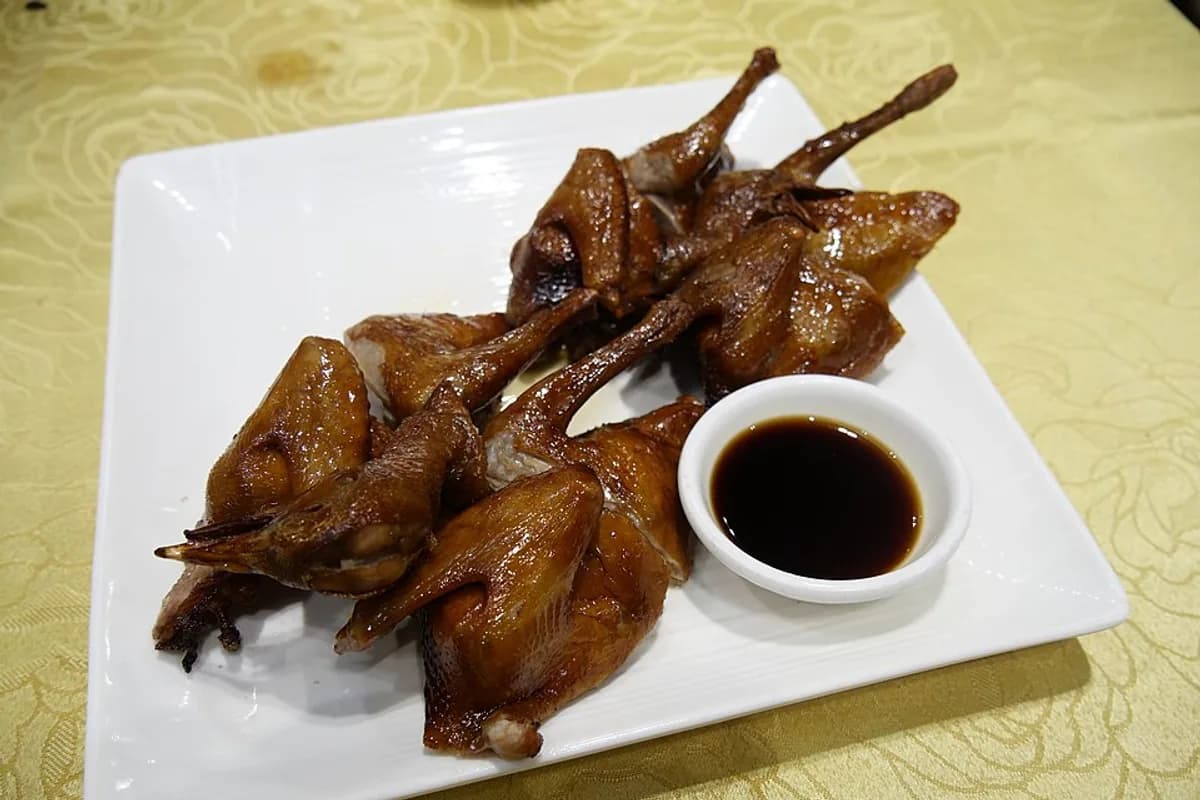
    Roast pigeon during a day already centred on Guangming
    Start with
    One roast pigeon for the table, then add vegetables and a staple
    Table size
    2–4 people
  4. 04

    Runyuan Seasons, Sea World

    润园四季椰子鸡(海上世界店)

    Nanshan · Sea World
    Go here for
    A coconut-chicken dinner for two to four after a Shekou waterfront walk
    Start with
    Begin with one chicken pot, then add vegetables after tasting the broth
    Table size
    2–4 people
  5. 05

    Muwu BBQ, Bagualing

    木屋烧烤(八卦岭店)

    Futian · Bagualing
    Go here for
    A Shenzhen-born chain for a straightforward late group meal
    Start with
    One measured grill round, vegetables and a staple if needed
    Table size
    2–4 people

04 · FOOD NOTES

Seven foods that explain how Shenzhen eats

Some come from older Bao'an, Hakka or coastal communities. Others arrived with the people who built the modern city. Together they explain the table travellers meet today.

  1. 01

    Shajing oysters

    沙井蚝

    What it isAn older estuary food tied to Bao'an's long oyster-farming tradition.

    How it fitsThe story matters as much as one dish: farming practice, dried oysters and oyster sauce all belong to this local lineage.
  2. 02

    Guangming roast pigeon

    光明乳鸽

    What it isA crisp-skinned, tender young pigeon recognized as one of Guangming's signature foods.

    How it fitsSave it for a Guangming district day; crossing the whole city for one dish will crowd an otherwise central itinerary.
  3. 03

    Dapeng and Nan'ao seafood

    大鹏/南澳海鲜

    What it isFresh and dried seafood belong to the working food culture of Shenzhen's eastern coast.

    How it fitsOrder around season, group size and current supply; avoid turning one fragile ingredient into a guaranteed promise.
  4. 04

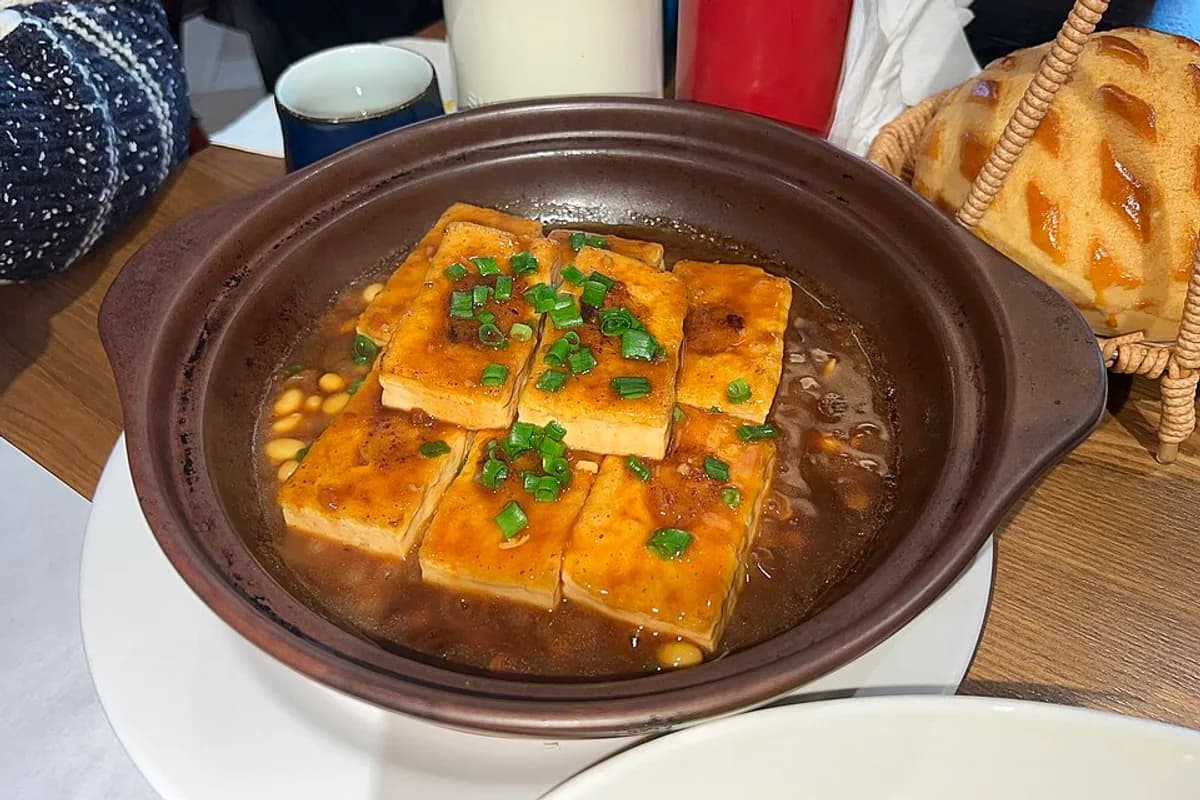
    Hakka stuffed tofu

    客家酿豆腐

    What it isA Hakka home-style dish that makes eastern Shenzhen's settlement history visible at the table.

    How it fitsOrder it as part of a Hakka meal with preserved vegetables and claypot dishes, so the table carries more of the regional story.
  5. 05

    Chaoshan beef hotpot

    潮汕牛肉火锅

    What it isOne of the clearest signs that Shenzhen's everyday food is made by arrivals from across Guangdong.

    How it fitsIts everyday popularity shows how people arriving from Chaoshan helped shape the way modern Shenzhen eats.
  6. 06

    Late-night noodles and barbecue

    夜间米粉与烧烤

    What it isAffordable late meals connect work rhythms, neighbourhood streets and many regional tastes.

    How it fitsChoose a public food street or neighbourhood edge and travel respectfully around residential communities.
  7. 07

    Everyday food from across China

    深圳多地风味

    What it isHunan, Sichuan, Northwest, international and Guangdong cooking coexist without one cuisine explaining the whole city.

    How it fitsFollow one neighbourhood and the people who live there; the city's scale rewards a focused food day.
Continue to the Guangdong dish guide

05 · BEFORE YOU EAT

Questions first-time visitors usually ask

01What food is Shenzhen known for?

Shajing oysters, Guangming roast pigeon and Hakka or Dapeng food connect to older local communities. Beef hotpot, barbecue and food from across China explain the modern migrant city. A useful trip makes room for both stories.

02Which district is best for a first Shenzhen food day?

Use Futian or Luohu when this is your first central-city day. Choose Nanshan and Shekou when Nantou, design spaces or the waterfront already shape the route. Guangming and Dapeng are separate district days.

03Can I eat well in Shenzhen alone?

Yes. Breakfast shops, noodles, rice rolls and many food-court meals work well for one. Save hotpot, pigeon, Hakka dishes and seafood for company, or ask staff for the smallest practical portion.

04Should I travel across Shenzhen for one restaurant?

Usually no. The city is large enough that an extra meal can consume the useful part of an evening. Make an exception only when the restaurant is the main purpose of that district visit and its current status has been checked.