Heritage extension
Kaiping or Chaozhou
A shortlist for first-time route planning
This list is designed for a first Guangdong trip. Each place has a clear reason to stay, a suggested amount of time and a practical role in a wider route.
Begin with Guangzhou and Shenzhen. Add Kaiping for diaolou villages, Foshan or Shunde for craft and food, Chaoshan for several regional meals, or Shaoguan for a mountain day.
Guangzhou
Explore Guangzhou in detailShenzhen
Explore Shenzhen in detailKaiping or Chaozhou
Shaoguan or Qingyuan
The shortlist
The order is a starting point for first-time visitors. Suggested time includes the arrival, the main visit and a workable onward journey.
The order considers the reason to stay, the time needed on the ground and the connection from a practical base. Guangzhou comes first for breadth and transport. Kaiping ranks highly for a village landscape that needs more preparation. Shenzhen earns several days through its distinct districts and coast.
One day means a focused visit from a nearby base. Two days usually include arrival and one full local day. Mountain, village and coast entries may need more time when weather or the final road connection changes.
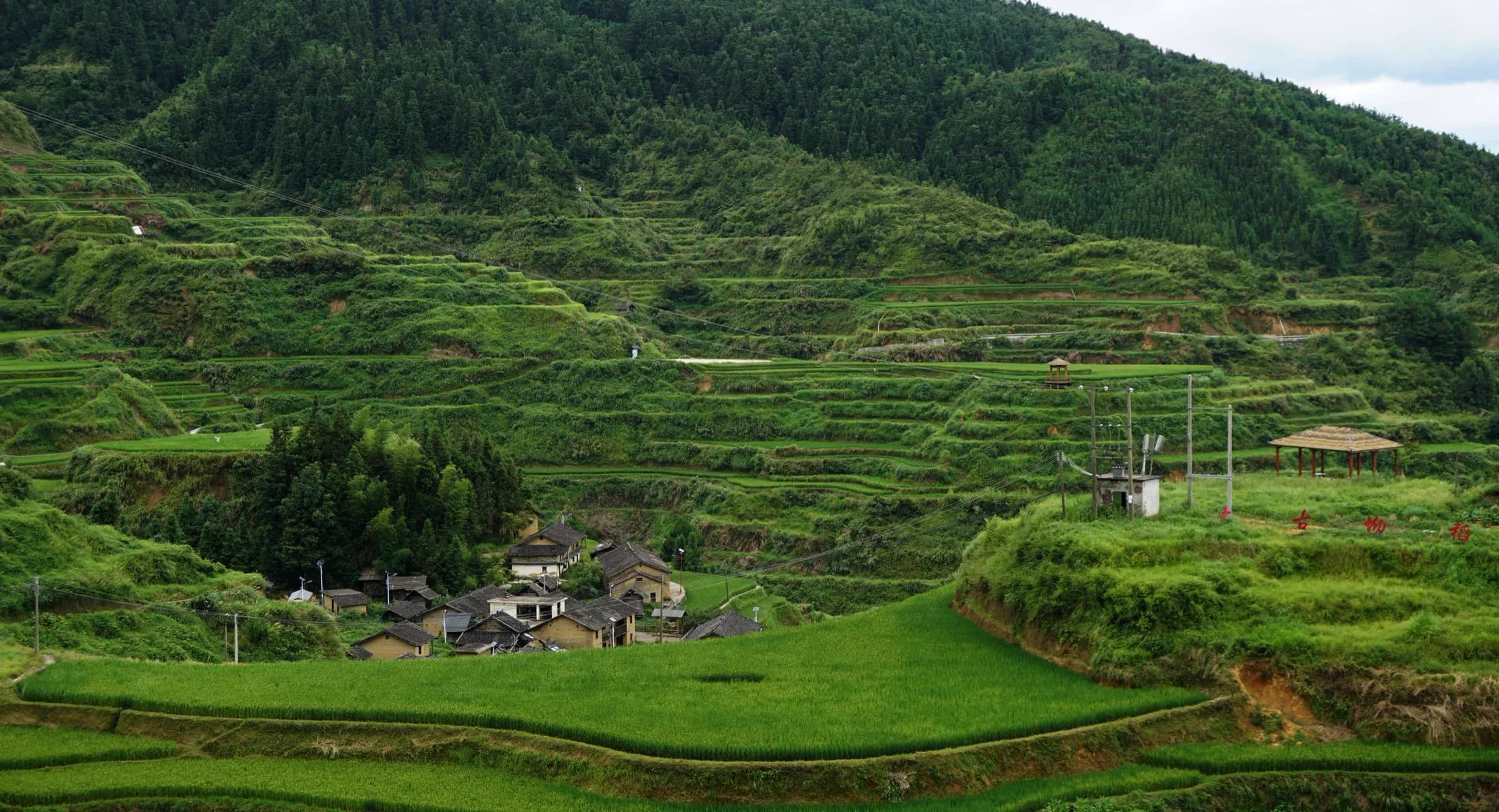
The strongest all-round first base: morning tea, Xiguan streets, clan architecture, archaeology, museums and a modern river axis.
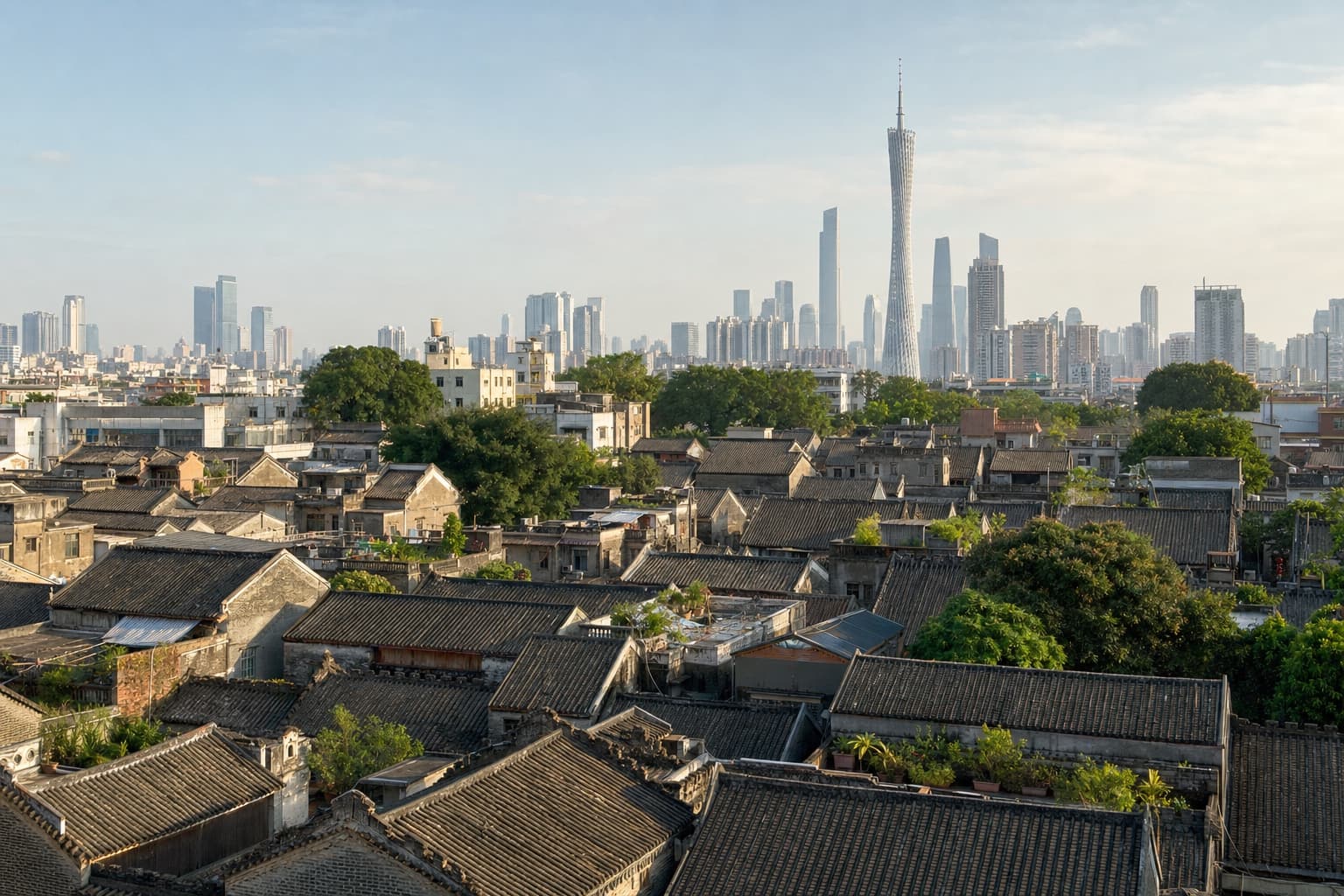
Fortified towers, village fields and overseas-Chinese history create one of Guangdong’s most specific rural landscapes.
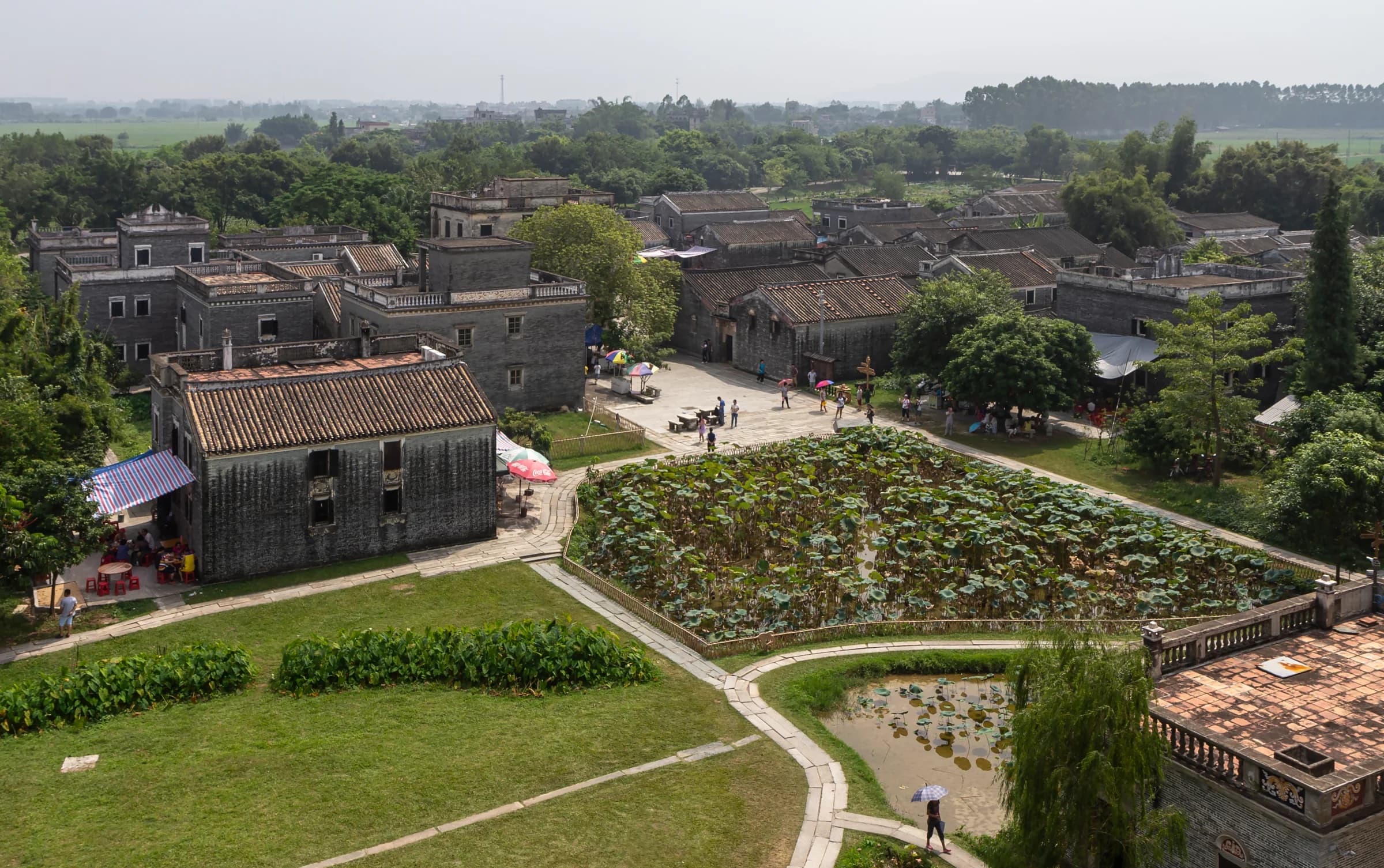
Electronics markets, civic spaces, arrival neighbourhoods and a broad coastline give Shenzhen several distinct days beyond its skyline.

The Ancestral Temple, ceramics and a meal-led day in Shunde give Foshan a clear role beside Guangzhou.
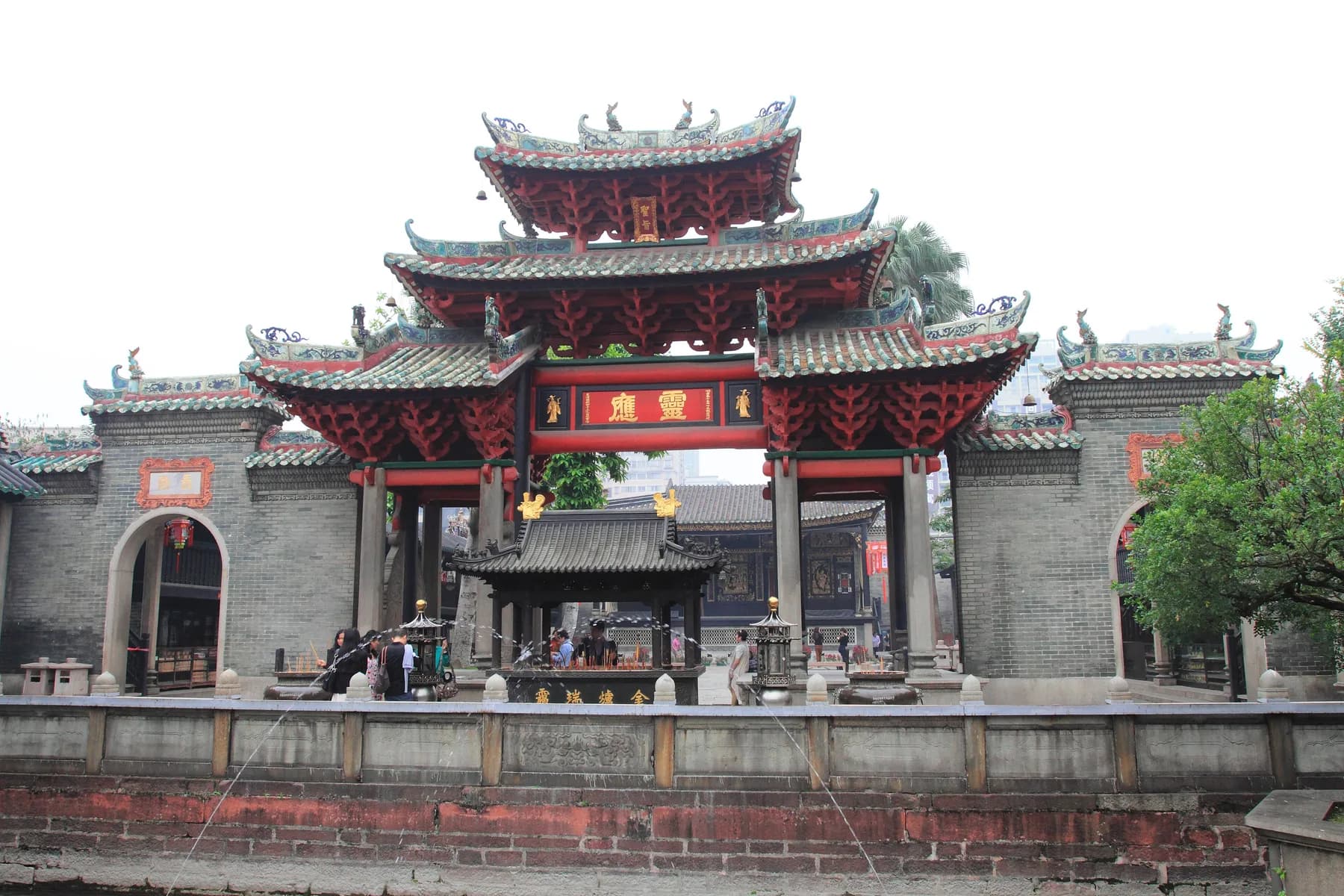
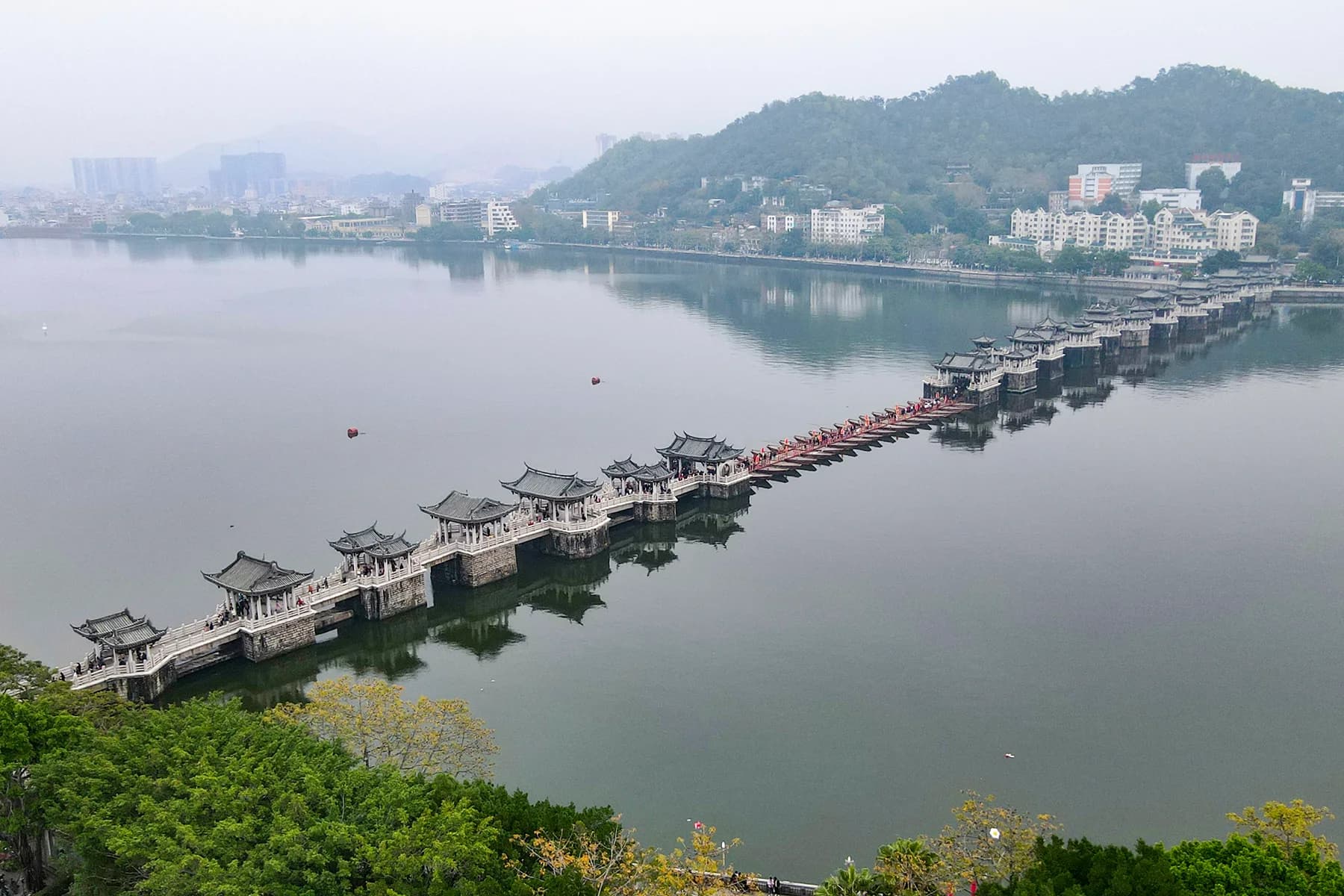
Old trading streets, Guangji Bridge, port-city arcades, beef hotpot and gongfu tea reward a dedicated eastern extension.
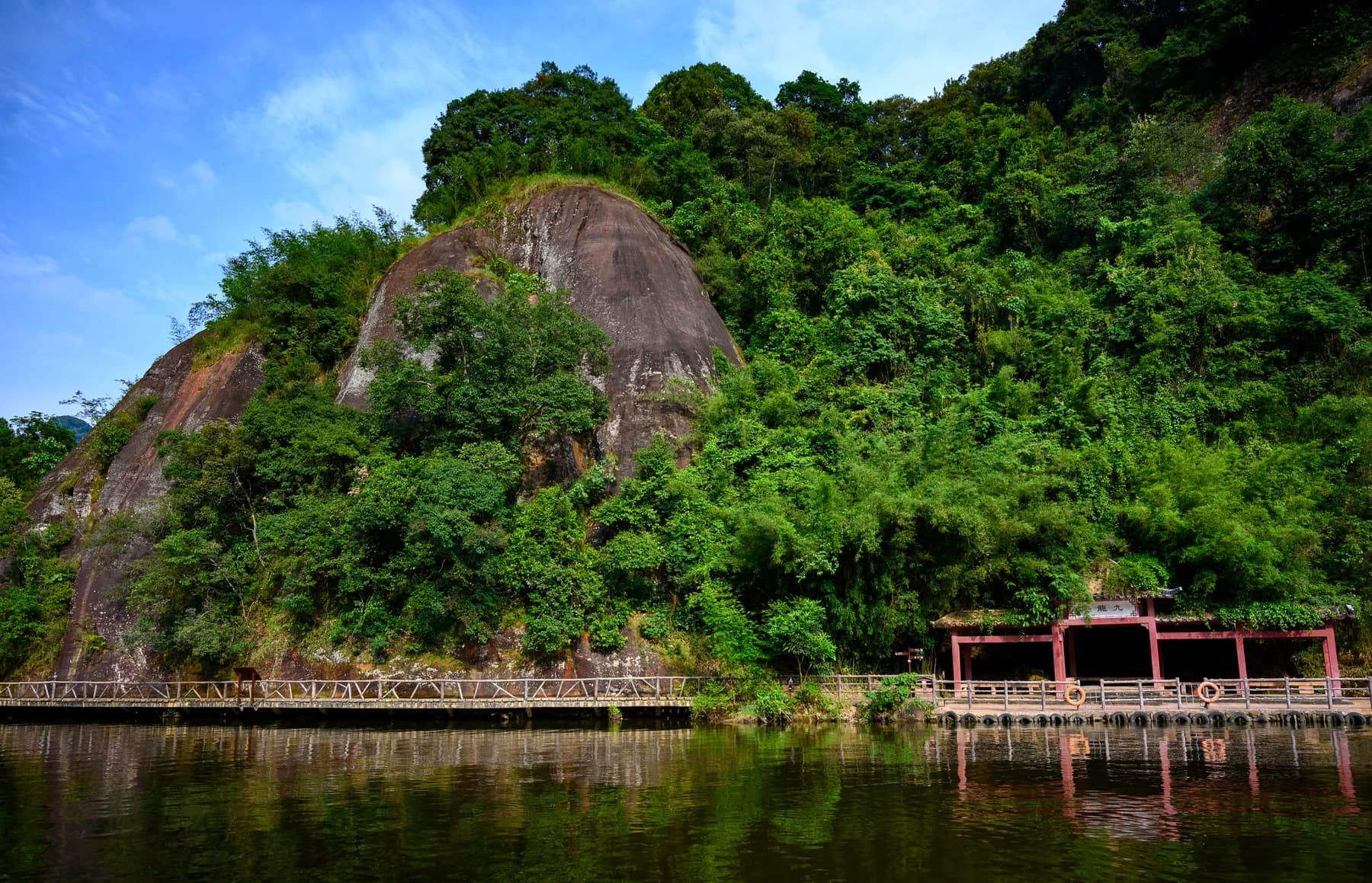
Red sandstone landforms and long walking days make this a landscape stop that needs its own weather-aware plan.
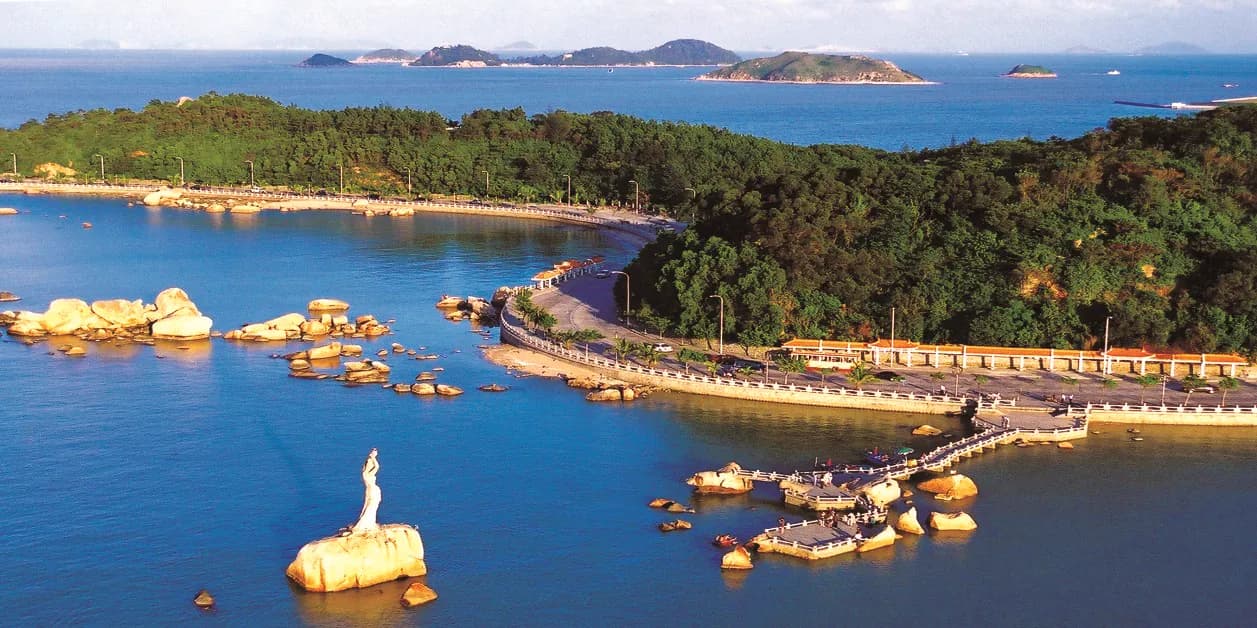
Lovers’ Road, Xianglu Bay and slower coastal neighbourhoods offer a gentler pause between denser delta cities.
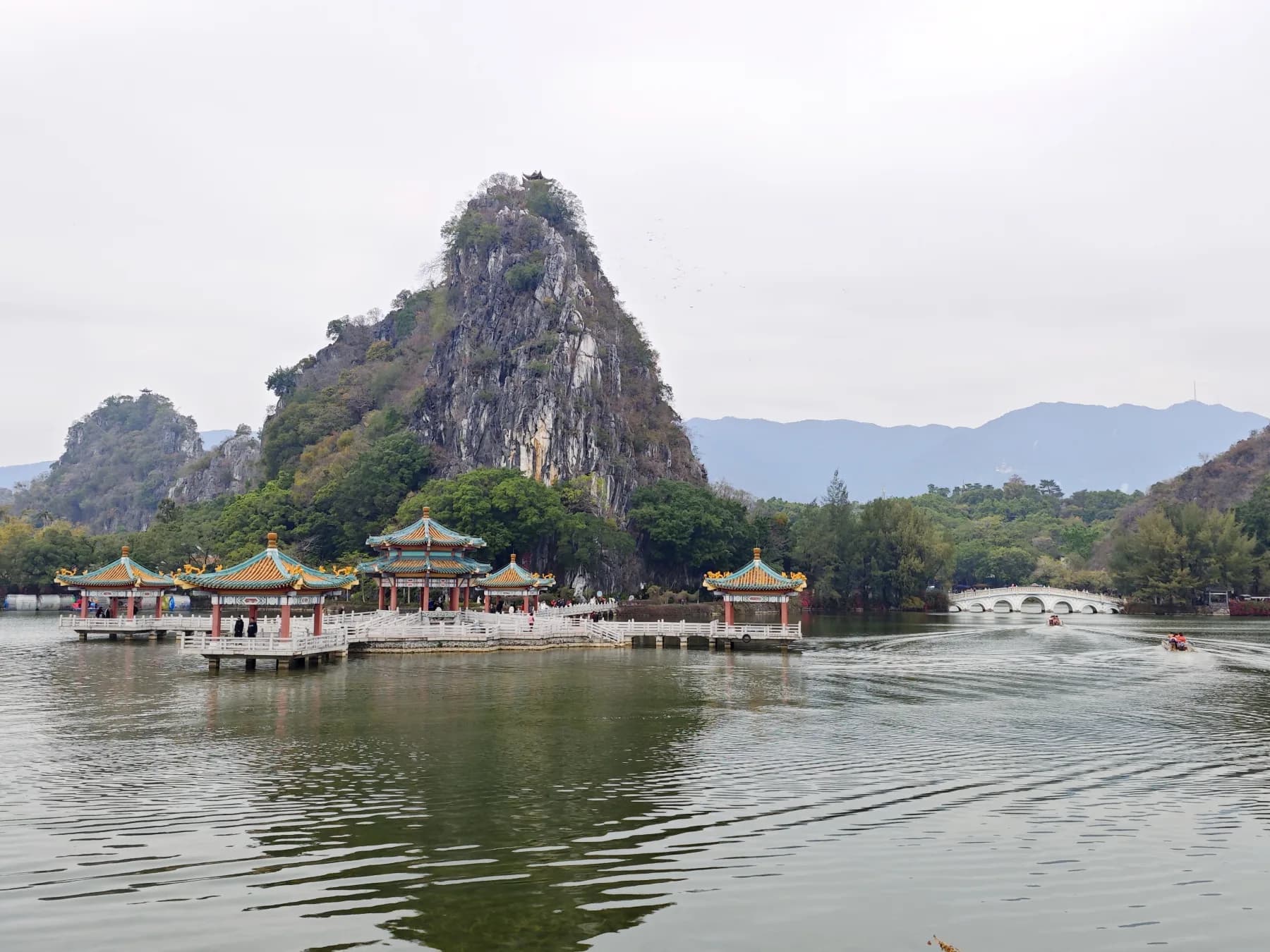
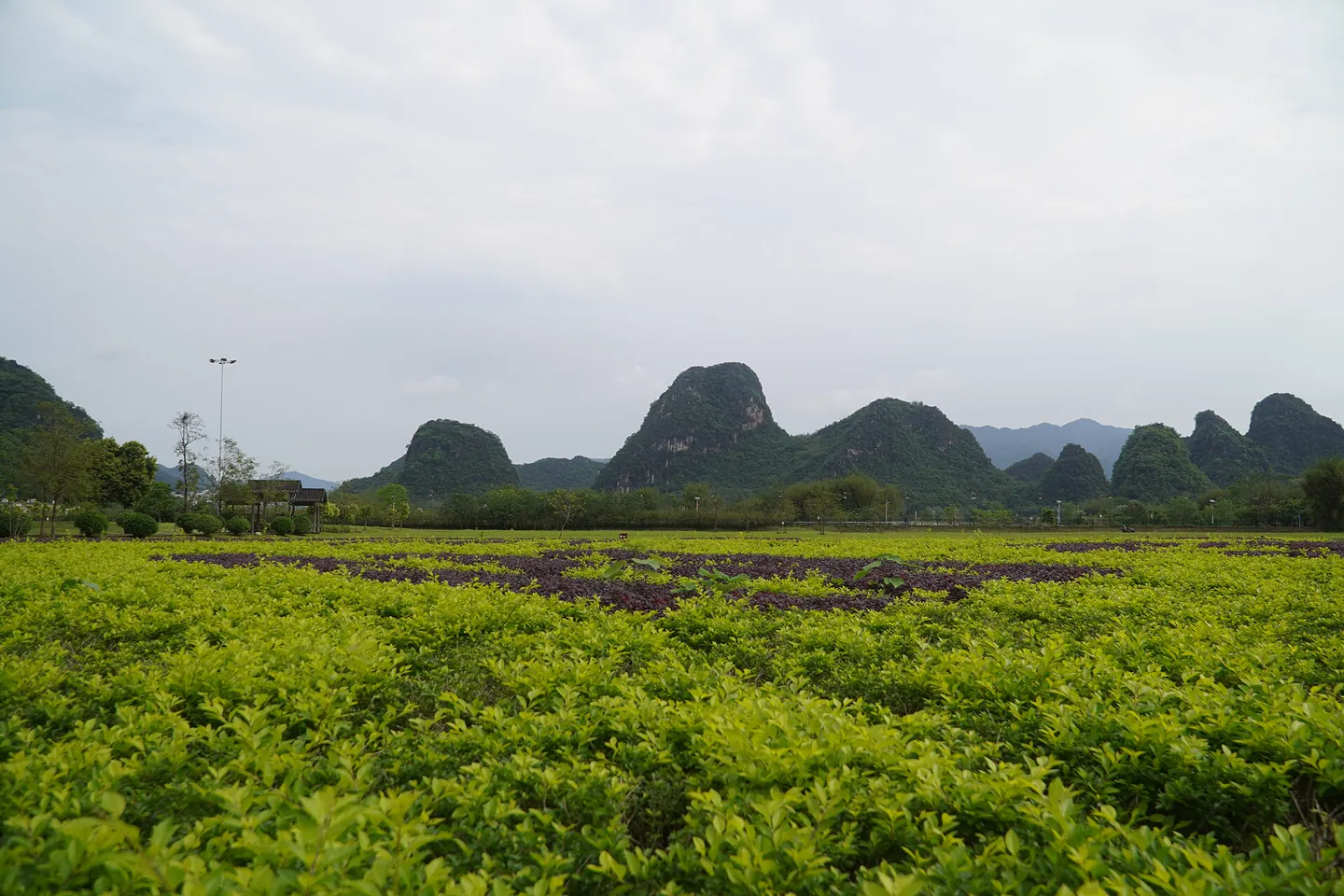
Seven Star Crags brings limestone peaks, lakes and walking paths into the city; Dinghu Mountain can fill a separate second day.
A calm city lake and a mountain day make a useful east-delta pause, as long as they are not compressed into one hurried circuit.
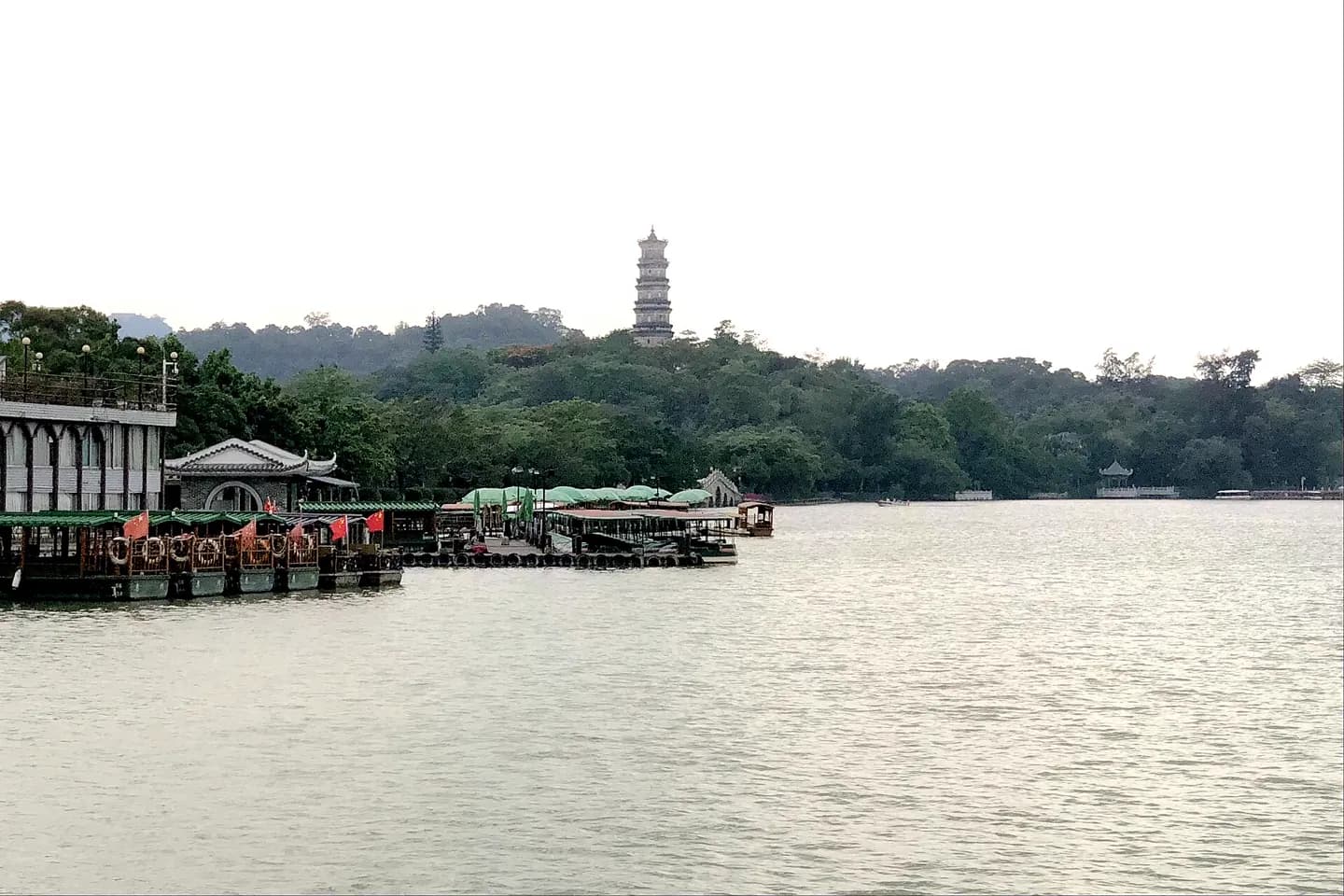
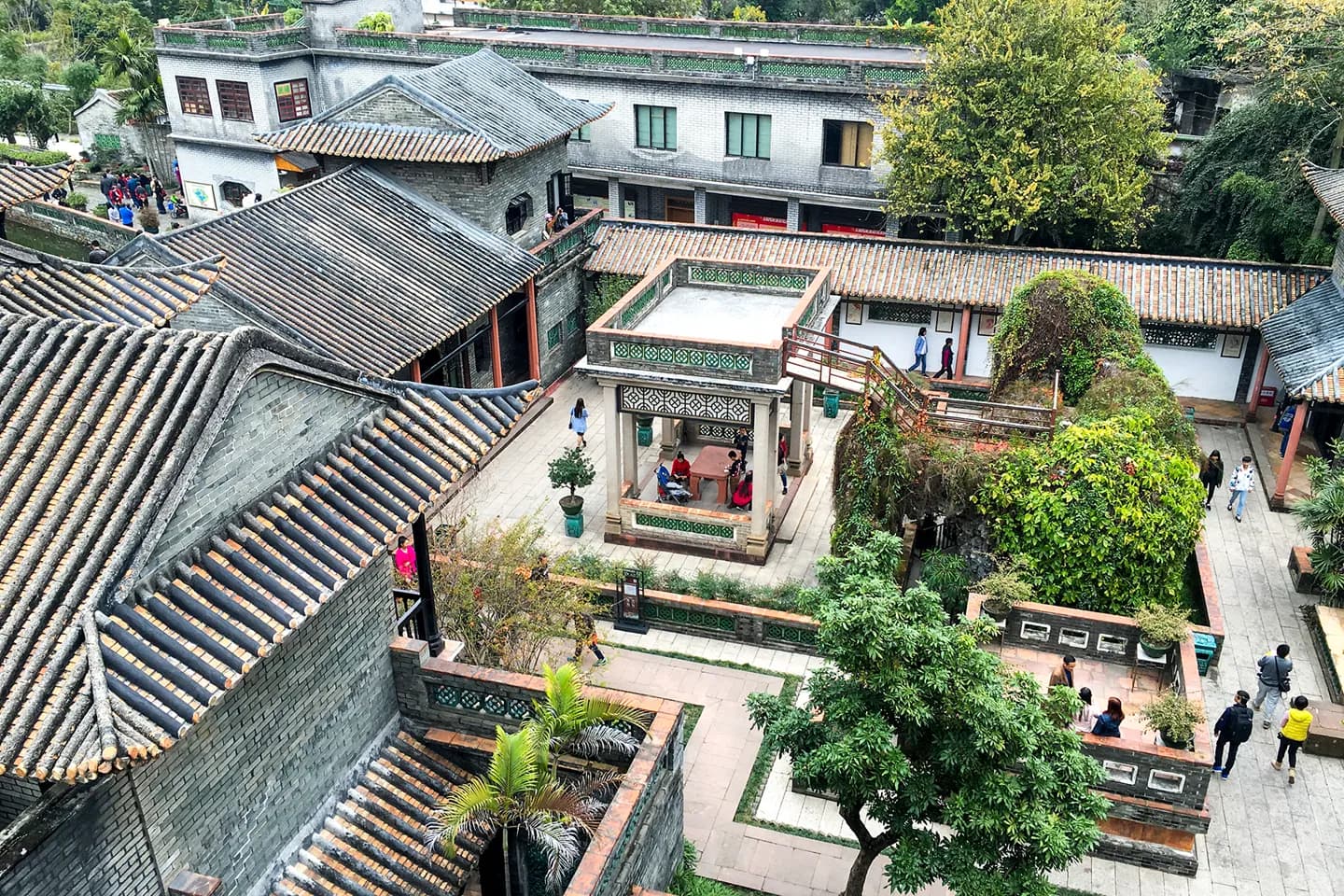
A compact Lingnan garden, older urban fabric and roast-goose culture make a focused delta detour behind the factory-city label.
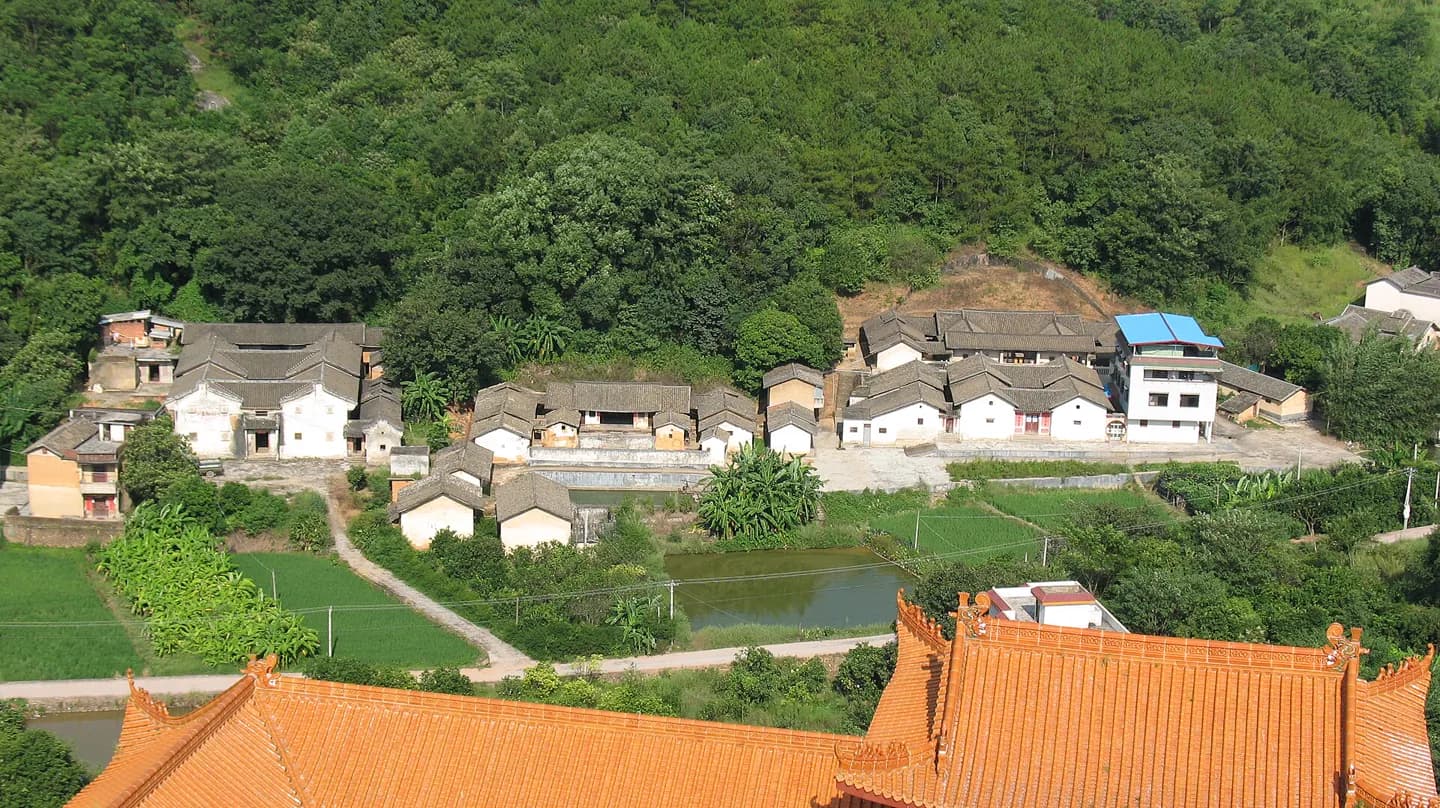
Village architecture, migration stories and a proper Hakka meal reward travellers willing to slow down and organise transport carefully.
Karst hills, fields and small settlements form one continuous landscape that needs time on the road between stops.
A western-coast island break with wide horizons and seafood. Keep the exact beach day flexible around current weather and sea conditions.
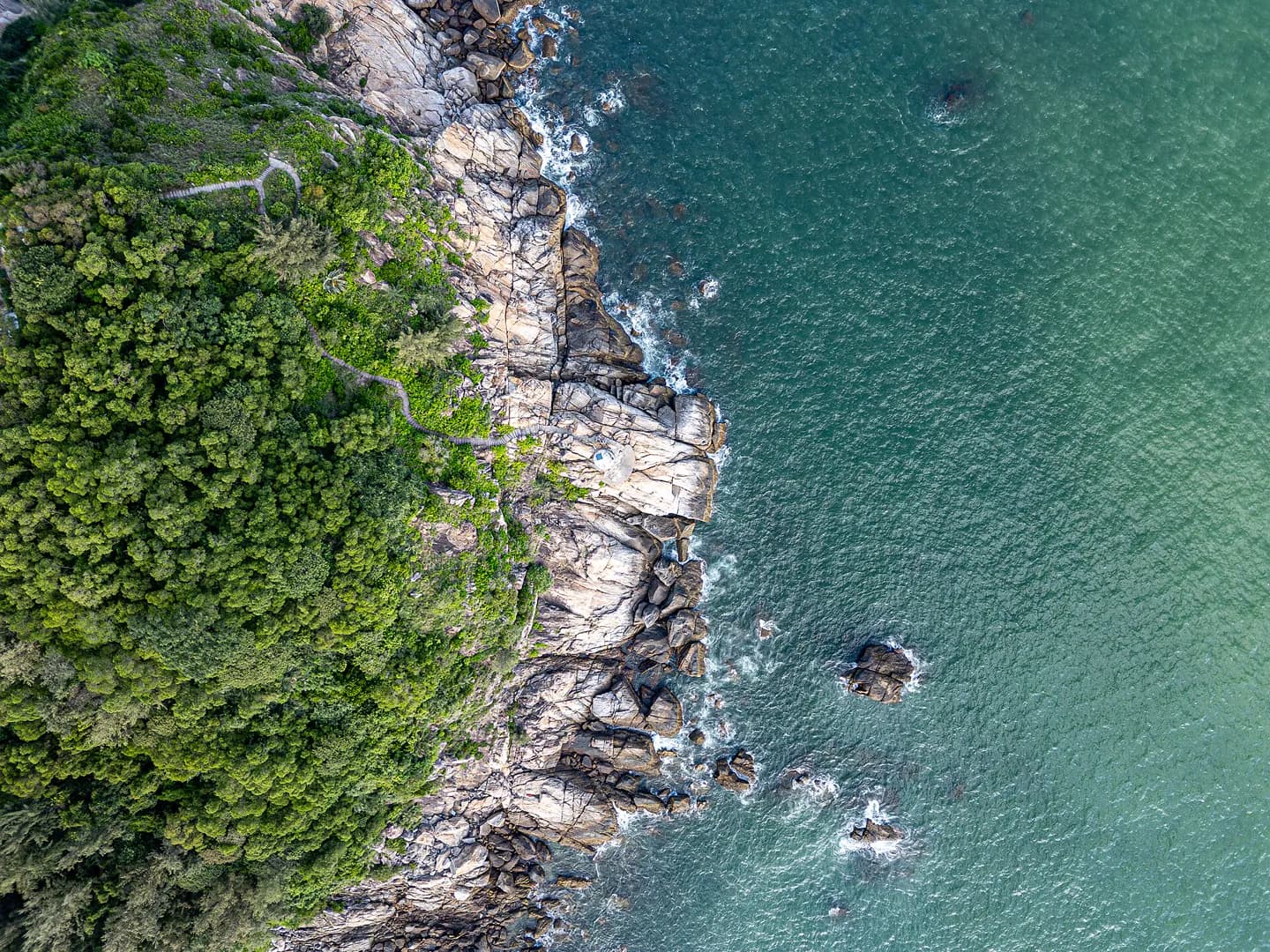
A far-south port city combining a volcanic crater lake, an active coast and a seafood dinner over two or three days.
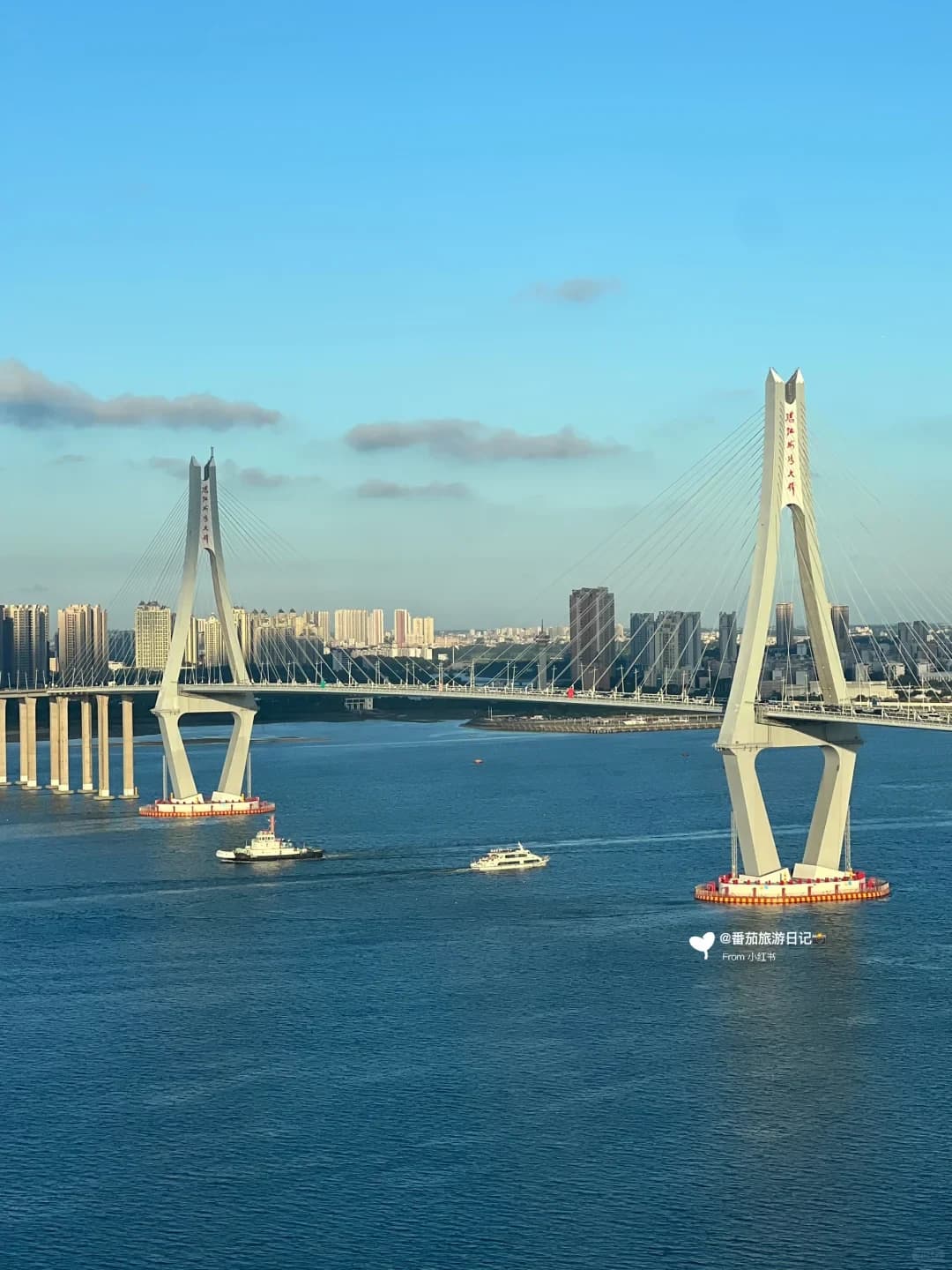
Sunwen West Road’s arcades and overseas-Chinese layers pair naturally with a simple meal built around Shiqi roast squab.

How to choose
Choose the main interest first. Food trips can add Shunde, Chaoshan or a Hakka area after Guangzhou. History trips can choose Kaiping or Chaozhou. Nature trips should decide between a full walking day, an urban lake area and the coast before choosing the next base.
Check the direction before booking. Guangzhou, Foshan, Kaiping, Zhuhai and Shenzhen can move broadly west to east; Shenzhen to Chaoshan continues east; Shaoguan sits north of Guangzhou. Leave any stop that forces a second return through the same hub for another trip.
| Priority | Start with | Add if time allows |
|---|---|---|
| Food | Guangzhou | Foshan/Shunde or Chaoshan |
| Heritage | Guangzhou | Kaiping or Chaozhou |
| Modern city | Shenzhen | Guangzhou’s new river axis |
| Mountains | Shaoguan | Qingyuan or Zhaoqing |
| Coast | Shenzhen or Zhuhai | Yangjiang or Zhanjiang on a longer route |
| Rural stay | Kaiping | Meizhou |
Make a route
For one week, keep one Guangzhou hotel for the city and a Foshan day trip, then change hotels once for two Shenzhen days. If the arrival flight is late, remove Foshan and keep the two Guangzhou history days intact.
The heritage-and-coast route needs about ten days. Kaiping uses one arrival period and one village day; Zhuhai adds a lighter waterfront stop; Shenzhen still needs two days. Skip Zhuhai when the Kaiping connection is poor for the travel date.
For an eastern food route, use Guangzhou as the Cantonese starting point, continue through Shenzhen, then stay about three nights across Chaozhou and Shantou for breakfast, tea, old-city walks and dinners with company.
Guangzhou + Foshan day + Shenzhen. Two hotels cover old neighbourhoods, food, electronics markets and modern waterfronts.
See 7, 10 and 14-day Guangdong itinerariesGuangzhou + Kaiping + Zhuhai + Shenzhen. Best with about ten days and a clear luggage plan.
See 7, 10 and 14-day Guangdong itinerariesGuangzhou + Shenzhen + Chaozhou/Shantou. Three nights in Chaoshan allow breakfast, tea and unhurried dinners with company.
Read the full Guangdong food guidePractical answers
Guangzhou is the strongest all-round first base because it combines food, long urban history, practical transport and several distinct districts. Continue to Shenzhen, then choose one smaller place by interest.
Start with Guangzhou. Add Shunde for ingredient-led Cantonese cooking, Chaoshan for a distinct regional food tradition or a Hakka area to place the cooking beside its migration history. One extension is enough for most first trips.
Choose Mount Danxia for a dedicated walking landscape, Zhaoqing for lakes and limestone near an urban base, or a selected coast for water. They require different weather, transport and fitness assumptions.
A normal holiday is too short for all fifteen. Seven days suits two bases and one day trip; ten adds one heritage or coast stop; fourteen adds one outer region. Choose the places that support your route.
Need a route built around you?
Share your travel party, pace, interests and priorities. We will reply with a practical order for the cities and explain what planning help we can offer.