Ideal first stay
2-3 full days
A city of systems, arrivals and open coast
Shenzhen is not only a technology skyline. Its most useful travel stories sit in working electronics markets, old settlement layers, civic parks, migrant neighbourhoods and a coastline too large to treat as an afternoon add-on.
Allow two full days for central Shenzhen and Nanshan; add a third only if the coast matters. Stay in Futian for central access, Nanshan for design and waterfronts, or Luohu for arrival convenience and older commercial streets.
2-3 full days
Futian
Nanshan / Shekou
Give the east its own day
Why Shenzhen
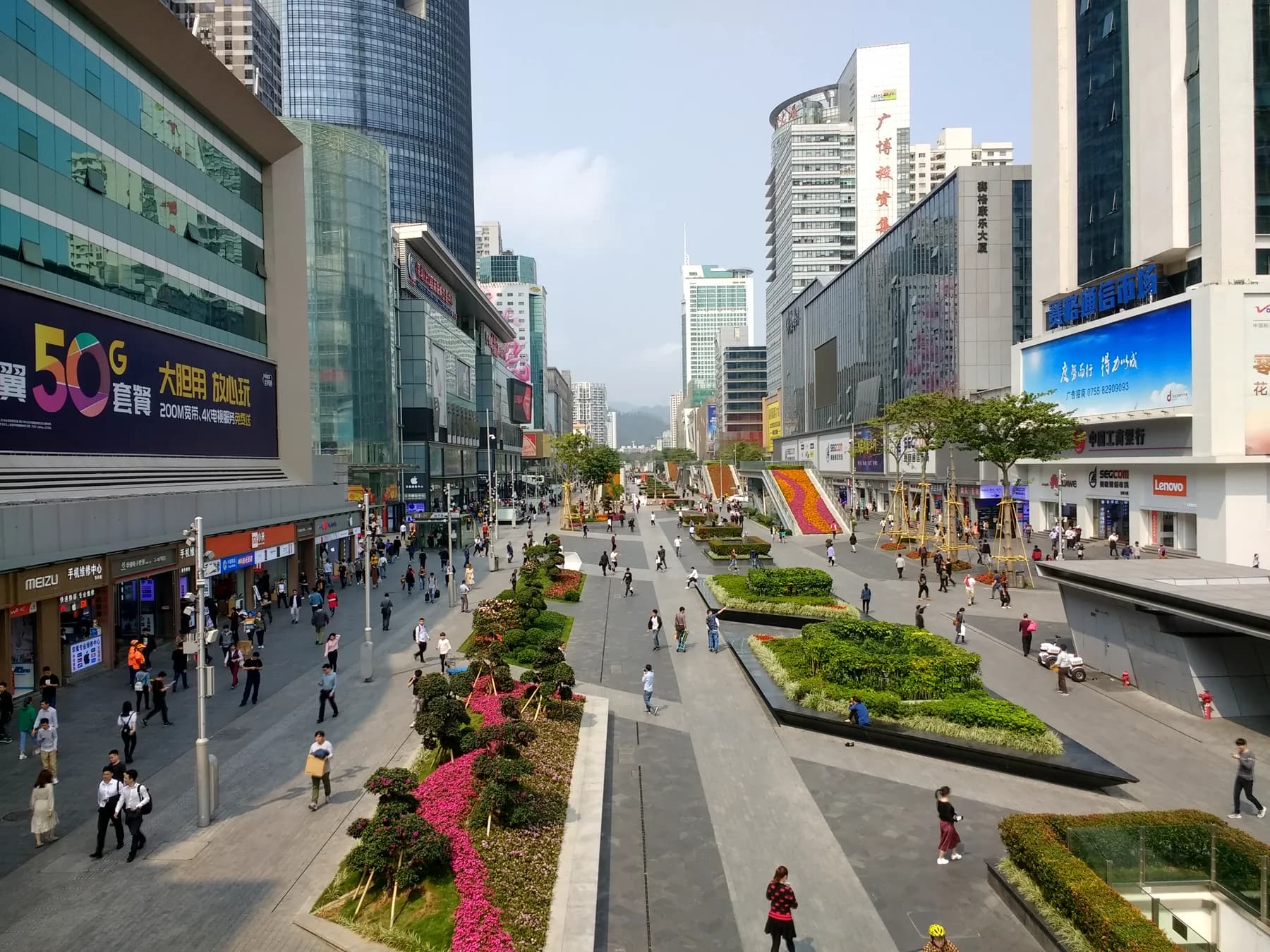
Huaqiangbei makes global hardware supply chains visible at street level. Nantou and Dapeng complicate the myth that Shenzhen began as a blank slate. Lianhuashan and the central civic axis show how the modern city represents itself.
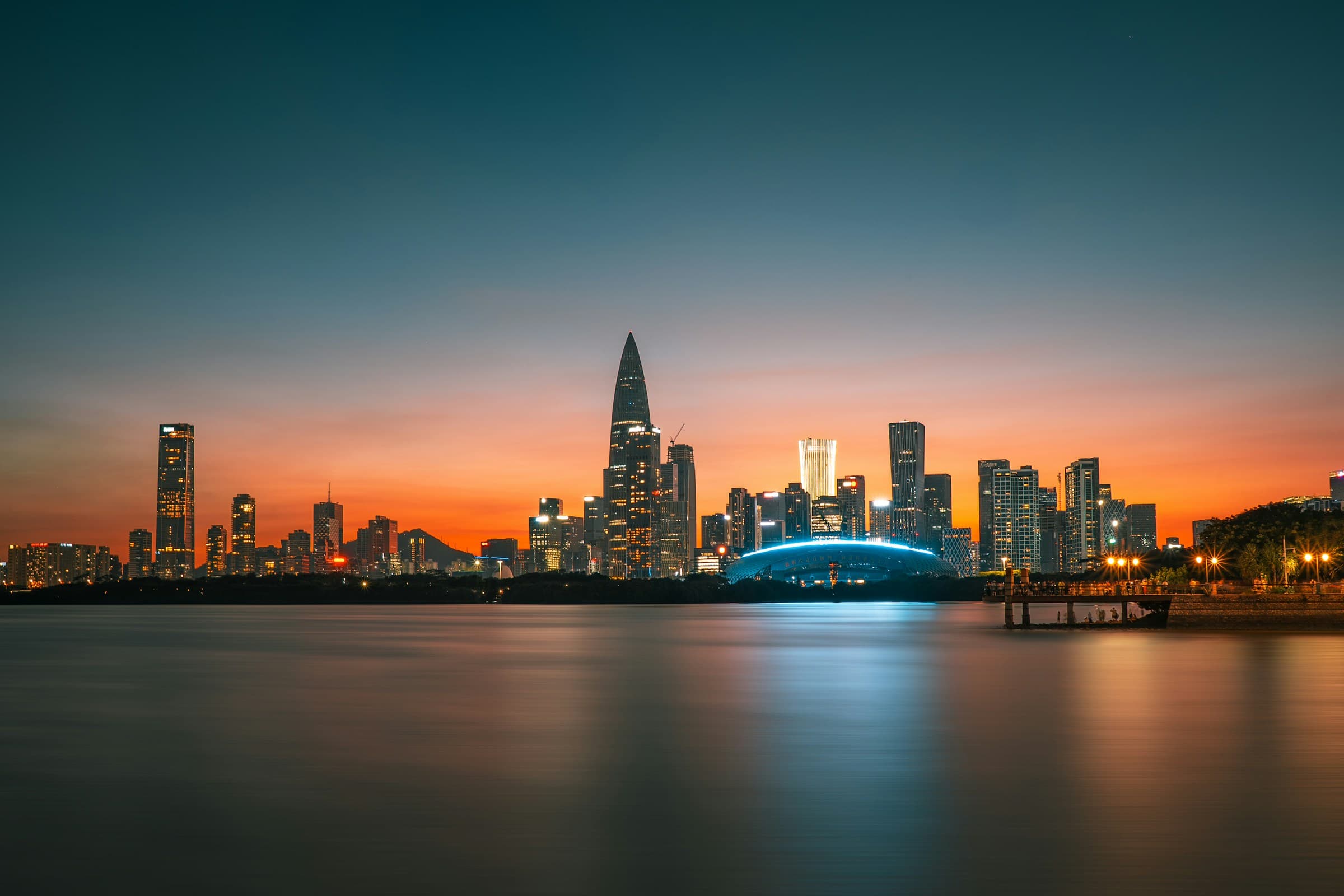
The city also opens to water in several ways: long urban parks along Shenzhen Bay, Shekou’s port history and the much more demanding eastern coast. Each belongs to a different day.
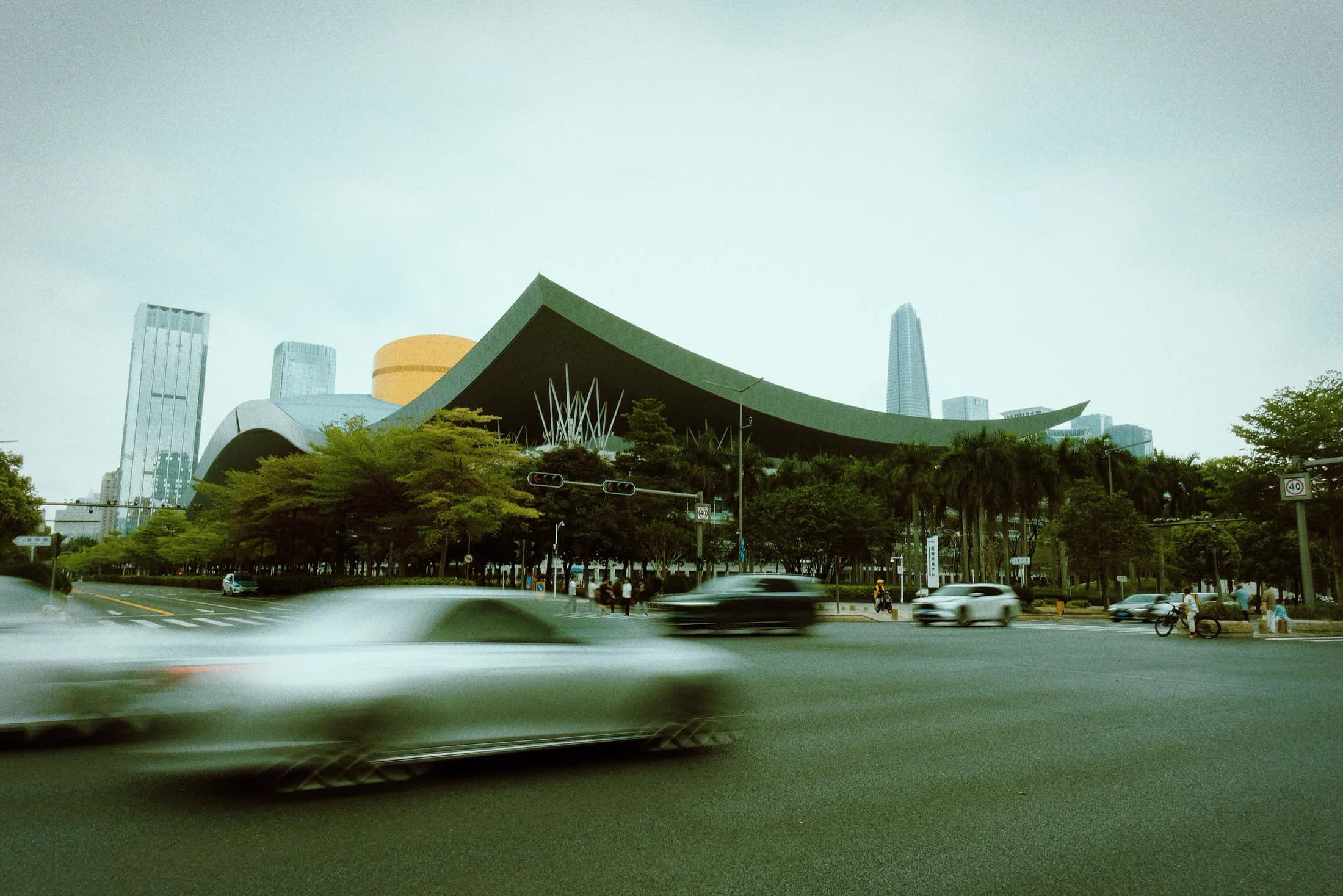
Shenzhen is easiest to understand through systems rather than a founding-date slogan. Huaqiangbei exposes how components, repair, retail and global hardware supply meet at street level. Futian’s civic axis shows planned representation and public space. Nanshan combines older settlement layers, industrial reuse, universities, technology companies and long waterfronts. None tells the whole city; together they explain why it feels unusually fast and layered.
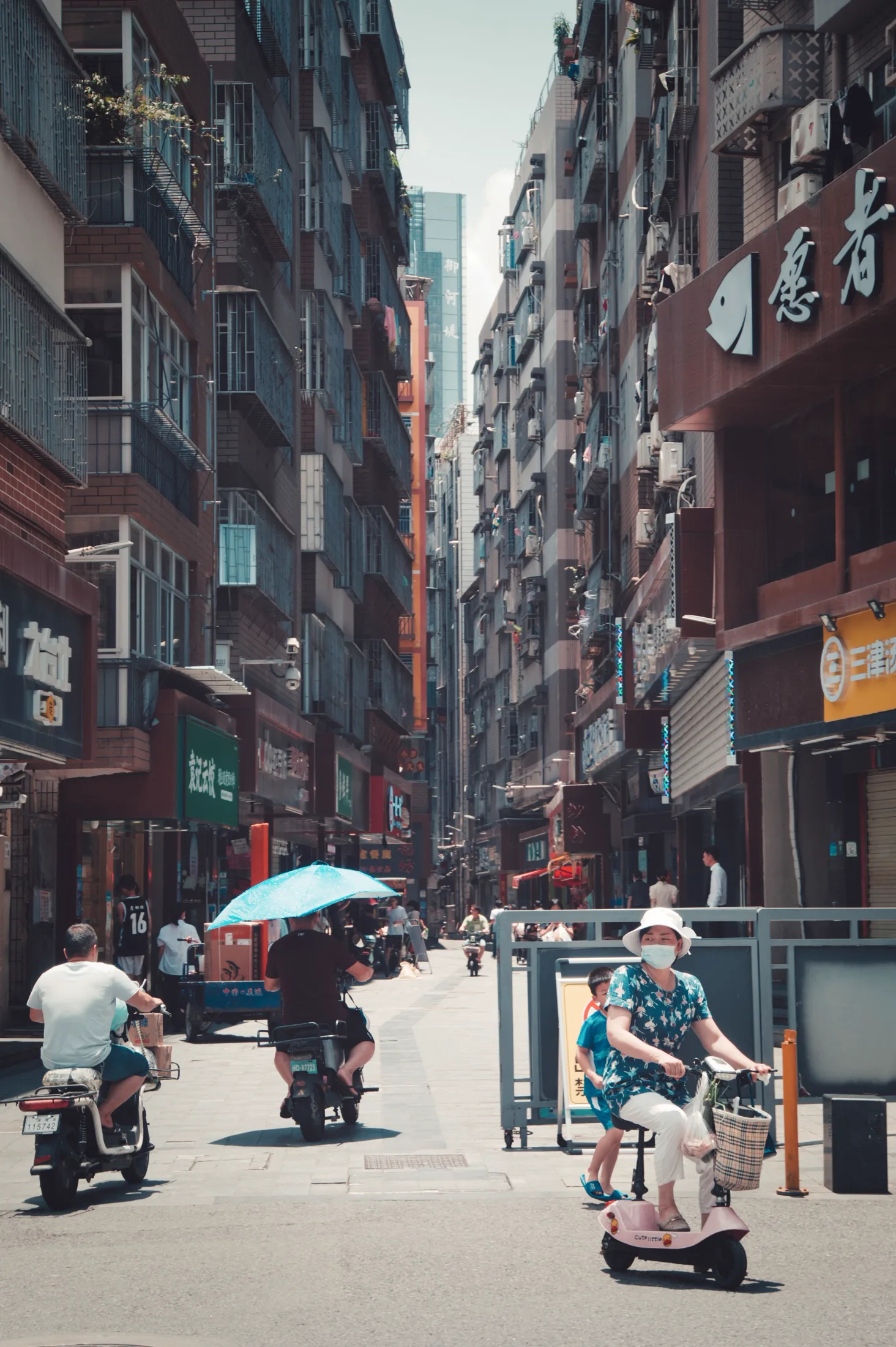
The city did not begin on an empty map. Nantou’s gates and lanes, Dapeng Fortress, older villages, estuary livelihoods and Hakka settlement all predate the recent metropolitan expansion. These places should not be used as nostalgic props against modern Shenzhen. Their value is showing how earlier communities were absorbed, reworked or left at the edge of new infrastructure.
Water changes the scale. Shenzhen Bay is a long metropolitan park system rather than one lookout; Shekou is tied to port and reform-era development; Yantian’s seafront sits on another side of the city; Dapeng and Xichong require a much larger road, weather and reservation commitment. A first itinerary should choose one urban-water chapter before adding the outer coast.
Shenzhen rewards travellers who like working cities, adaptive districts, public space and contemporary urban questions. It is less convincing when reduced to luxury malls, theme parks or one skyline photograph. Two full days let each district retain context; a third day can become coast only when the conditions and return plan are clear.


Top experiences
Electronics markets, repair tools and supply relationships make the district feel like a working hardware library.

A civic hill and everyday park overlooking the planned centre; allow more time in heat.

Historic gates and lanes share space with exhibitions, cafés and dense residential fabric. Leave the polished central axis.

Former industrial spaces now hold studios and exhibitions. Check individual venues because the district is not one permanent event.

A long urban waterfront rather than one viewpoint. Choose a section near the rest of your day.

Choose one historical or coastal focus. Distance, reservations, weather and return transport make stacking several eastern stops risky.

Where to stay
Futian is the safest first recommendation when arrival, departure and a central-city day matter equally. It gives broad metro options and straightforward access to Lianhuashan, the civic axis and Huaqiangbei. But some business blocks feel quiet outside working hours, and the district is large. Choose a hotel near the line that also serves the next day, not simply an address carrying the Futian label.
Nanshan is the stronger base for Nantou, OCT, design institutions, technology districts and the urban waterfront, but there is no single Nanshan centre. A hotel near Shekou solves evening water and a slower neighbourhood; one near another metro corridor may solve museums and Nantou. Test both the Day 2 morning and the route to the departure station before choosing.
Luohu works for some rail and border arrivals, Dongmen and an older commercial-city chapter. It is less efficient for several Nanshan days. Shekou works as a characterful waterfront base but lengthens journeys to Luohu and eastern connections. The best base is therefore the one that removes the first or last cross-city journey, not the neighbourhood that appears most central on a province map.
| Area | Best for | Trade-off |
|---|---|---|
| Futian | Central access, civic axis and broad metro connections | Less neighbourhood texture around some business zones |
| Nanshan | Nantou, OCT, design districts and urban waterfront | Large district - choose the exact sub-area |
| Shekou | Waterfront evenings and a slower base | Longer to Luohu and eastern connections |
| Luohu | Rail/border arrival and older commercial streets | Longer to much of Nanshan |
What to eat
Shajing oysters connect Shenzhen to an older estuary economy. Depending on the kitchen and season, the story may appear through fresh oysters, dried oysters, oyster sauce and local dishes rather than one mandatory preparation. Eat them as part of a Bao’an or western-city chapter, and use a restaurant that states sourcing and pricing clearly. Do not treat a product name as proof of origin.
Hakka dishes reveal settlement patterns that predate the migrant-metropolis shorthand. Stuffed tofu, preserved vegetables, braises and claypot dishes work best as a shared meal in or near communities with that history. Check portion sizes and avoid ordering a four-person table for one. The food becomes more useful when paired with Nantou, an eastern settlement or another historical layer.
Contemporary Shenzhen also eats through arrivals. Chaoshan beef hotpot, regional noodles, northwestern food, cafés and chains from across China are not evidence that the city lacks a cuisine; they are evidence of how the city was made. Choose one meal that explains the district’s workers or residents rather than searching for a single universally “authentic Shenzhen” dish.
City scale should control restaurant choice. A recommendation in Bao’an, Luohu or Dapeng may require more travel than an attraction. Keep meals inside the district already planned, save the Chinese address and have a nearby backup. A good Shenzhen food day links market, settlement, waterfront or work rhythm; it does not zigzag across five districts for social-media rankings.


An older Bao’an estuary food story that includes fresh oysters, dried oysters and oyster sauce.
A district food with crisp skin and tender meat; do not cross the entire city for it on an already full day.
Stuffed tofu, preserved vegetables and claypot dishes connect eastern settlements to the modern city.
Chaoshan beef hotpot and food from across China are part of how contemporary Shenzhen actually eats.
Two or three days
If only two days are available, keep the first two and leave the eastern coast for another trip. If the arrival point is Luohu, reverse part of Day 1: use Dongmen or a nearby older commercial street before moving towards Futian. If staying in Nanshan, let Day 2 begin early near the hotel. The geographic halves matter more than the exact numbering.
The third day is conditional, not guaranteed. Observatory public visits can have reservation and weather rules; Dapeng roads can have current vehicle controls; beach and boardwalk conditions can change. Check close to travel and keep a named fallback. A city museum, Fairy Lake Botanical Garden or a slower Luohu day is a legitimate third day, not a failed coast plan.
Huaqiangbei → central lunch → Lianhuashan Park and the civic axis. Keep the evening nearby.
Nantou Ancient Town → choose OCT-LOFT or a design museum → finish on one section of Shenzhen Bay or in Shekou.
Choose Dapeng Fortress, an eastern boardwalk or a reserved coast experience. Do not attempt all three.
Getting around
Plan Shenzhen by east-west geography. Luohu, Futian, Nanshan, Bao’an, Yantian and Dapeng are not small neighbourhood labels; crossing several in one day creates long station walks and road exposure. Place two major activities on the same side, then choose lunch and evening nearby. The metro is the backbone of central days, but it cannot make the peninsula compact.
Choose rail station or border crossing with the next district in mind. Futian, Shenzhen North, Shenzhen station and other terminals serve different onward patterns. A crossing convenient from one Hong Kong district may be inconvenient for a Shenzhen hotel across the city. Compare immigration or security, luggage, local transport and current operating arrangements - not only the line drawn between names.
For the eastern coast, write the return journey before the outward one. Confirm the last practical public transport or booked vehicle, road-demand rules, the effect of rain or wind and what happens if the reserved experience closes. Avoid the final service and do not rely on instant ride-hail availability in an outer area. A full-day coast plan is responsible only when the route home is explicit.
Practical answers
Two full days covers a central city day and a Nanshan day. Add a third for the eastern coast or Dapeng, depending on weather and reservations.
Yes for modern urban life, electronics markets, adaptive districts, public waterfronts and the contrast it adds to Guangzhou.
Futian is the most flexible central base. Nanshan or Shekou suits design and waterfront days; Luohu suits some rail and border arrivals.
Yes, but choose the crossing based on your Hong Kong origin and Shenzhen destination, and check current entry requirements and opening arrangements before travel.
Use Huaqiangbei and Lianhuashan for the central-city story, then spend a separate day in Nantou, OCT or the Nanshan waterfront.
Need a route built around you?
Share your dates, party, pace, interests and known arrival point. We will understand the brief before discussing a planning scope.