Best for
Food · city history · neighbourhoods
A good fit for food and city travel
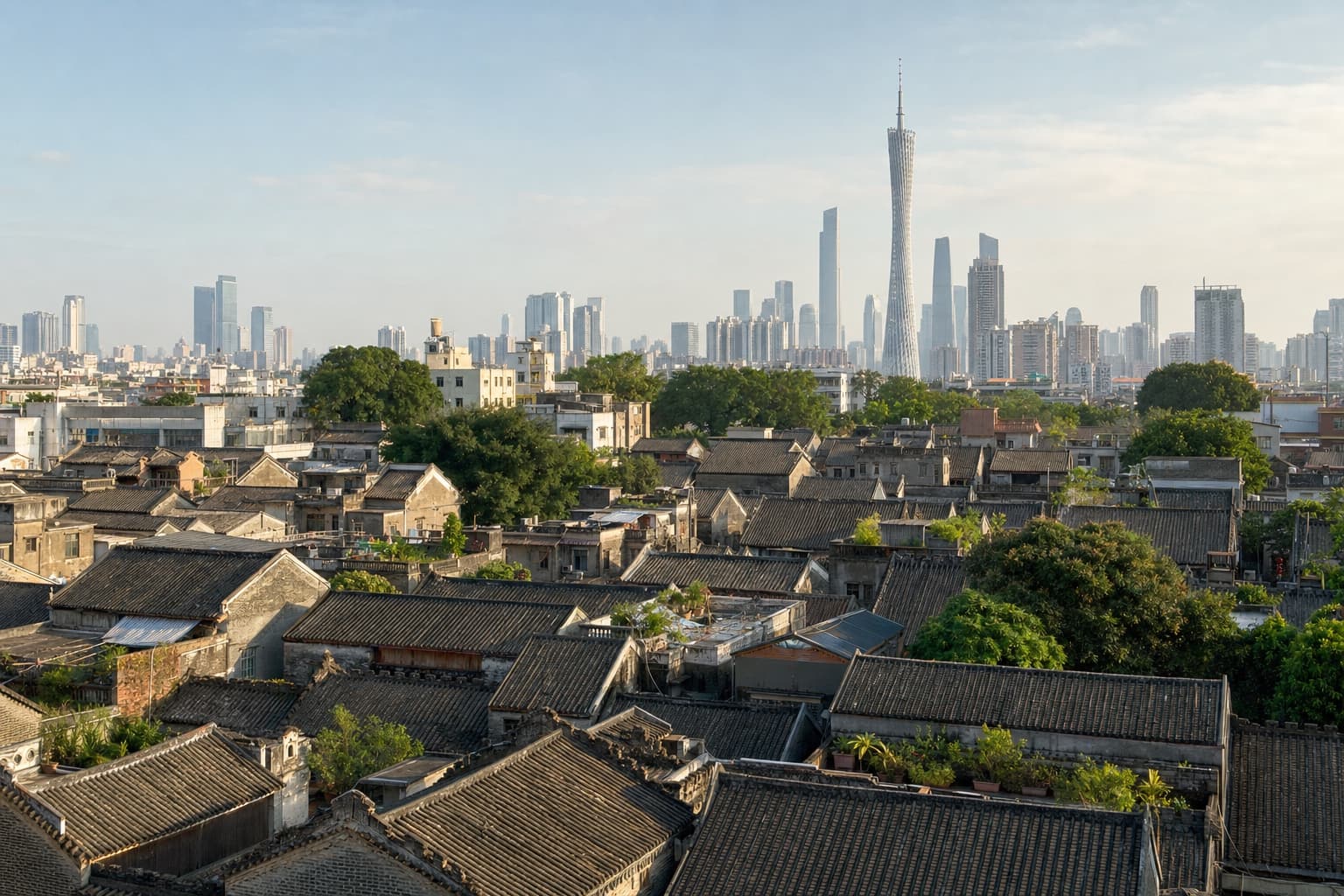
Guangdong suits travellers who care about regional food, lived-in cities and trading history. Its distances make a one-night checklist difficult, while a week gives the province room to show its range.
Allow at least seven days. Begin with Guangzhou, continue to Shenzhen, then choose one smaller stop for food, villages, mountains or coast when the schedule has room.
Food · city history · neighbourhoods
One-night checklists
Heat, rain and cross-city distance
7 days
See 7, 10 and 14-day Guangdong itinerariesWhy it earns the time
Morning tea suits a Guangzhou morning, Chaoshan cooking needs several meals, and Hakka dishes are easier to explore with company.
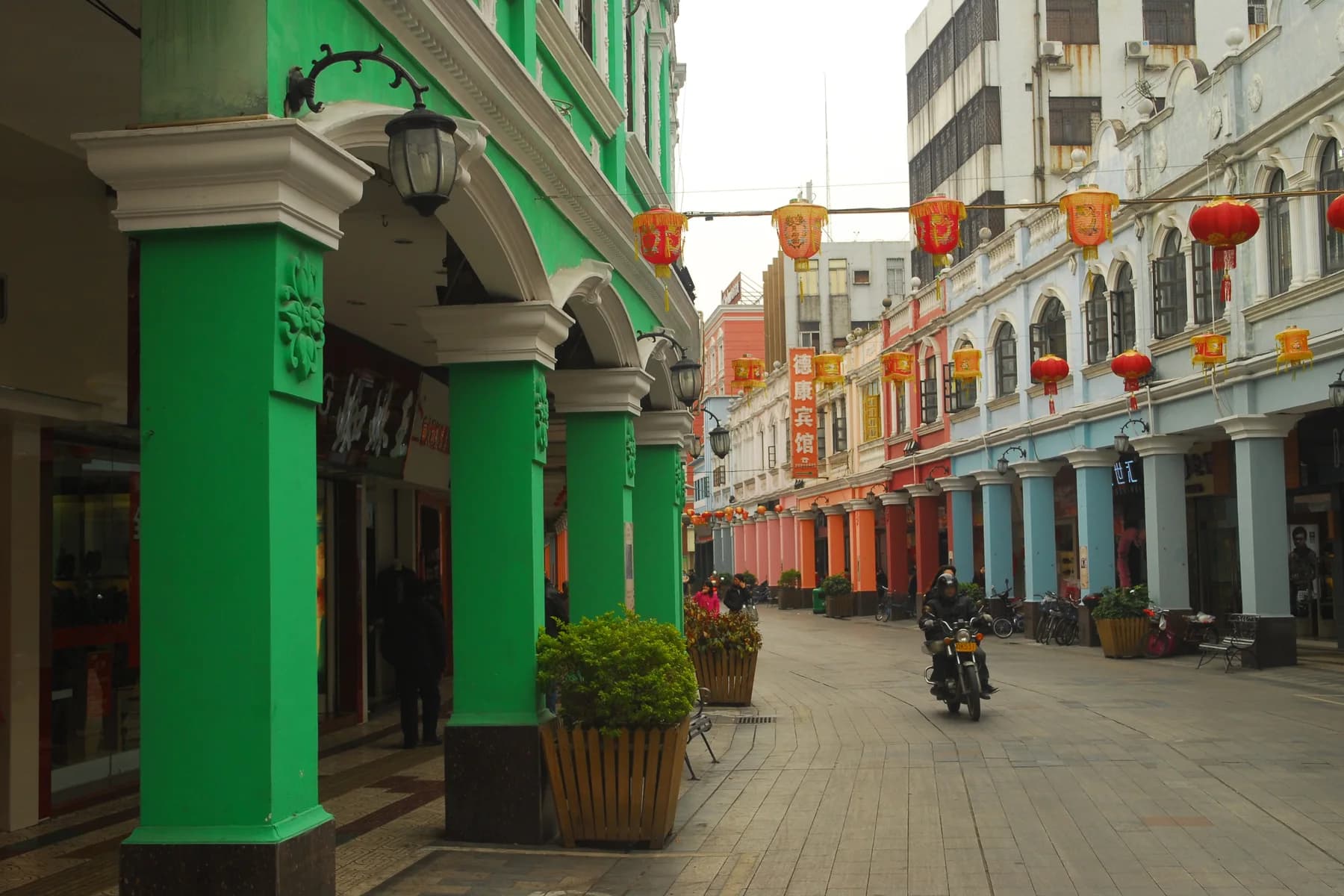
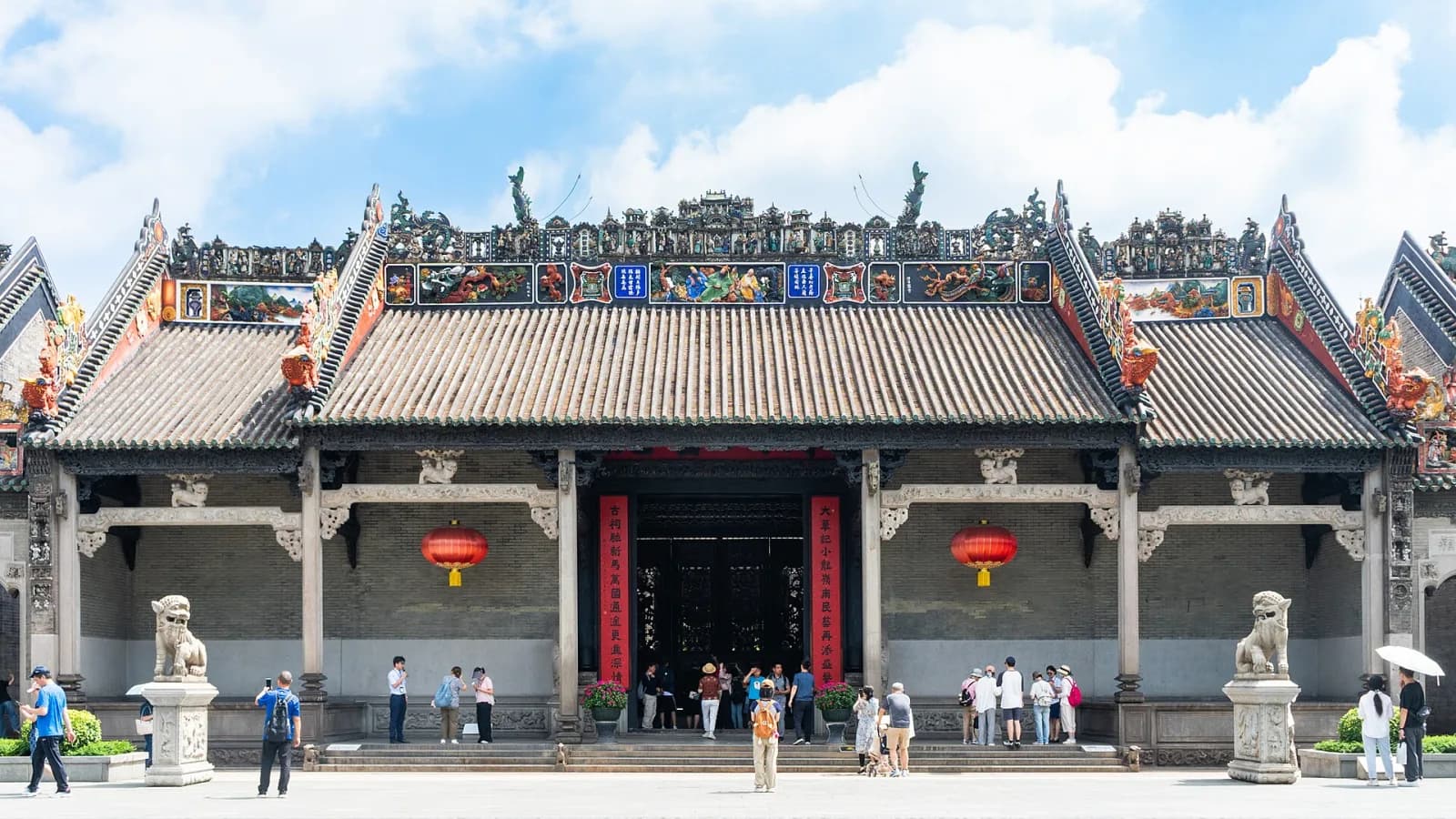
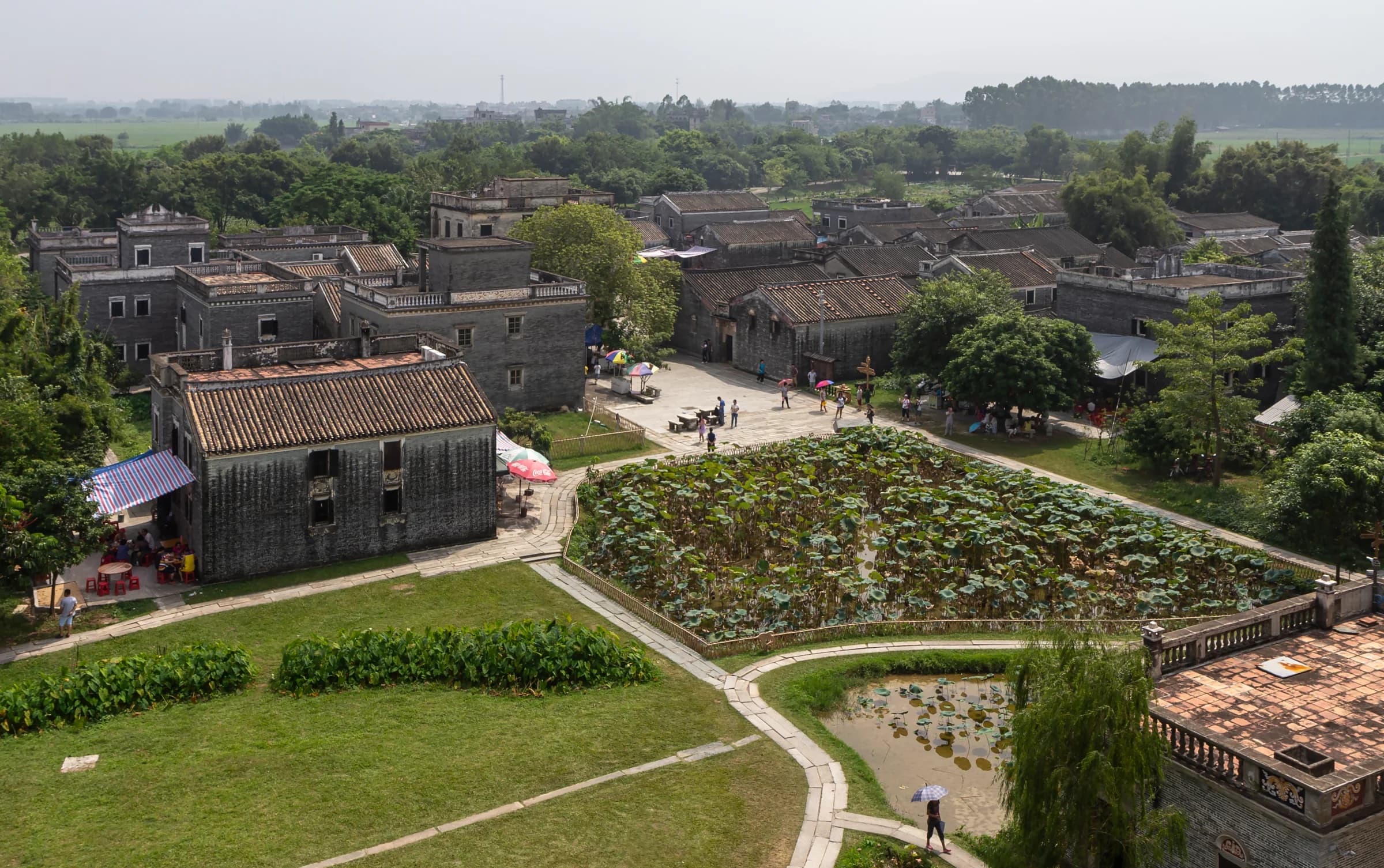
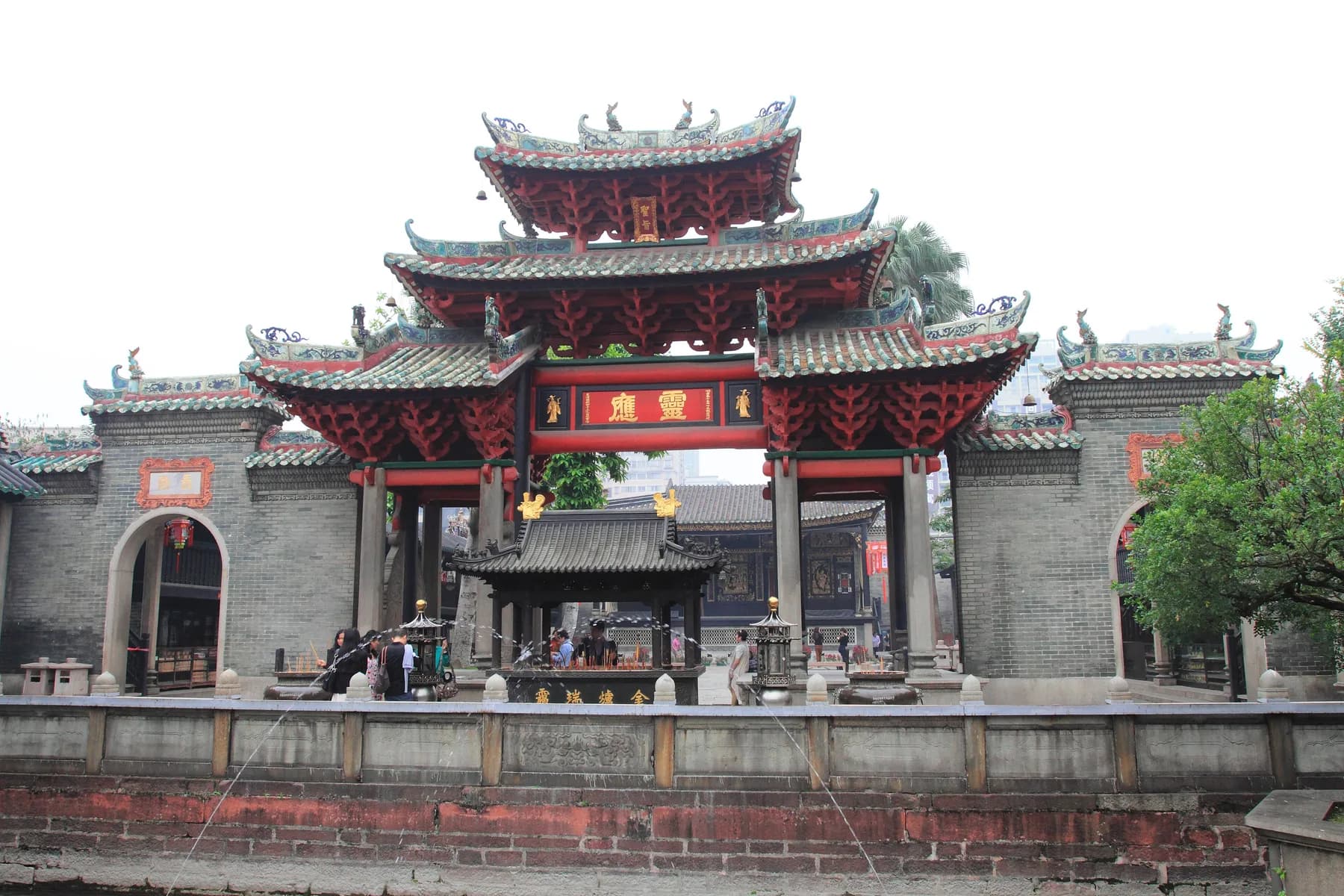
Clan halls, arcades, trading streets, forts and migration-era villages make different periods easy to see in the same trip.
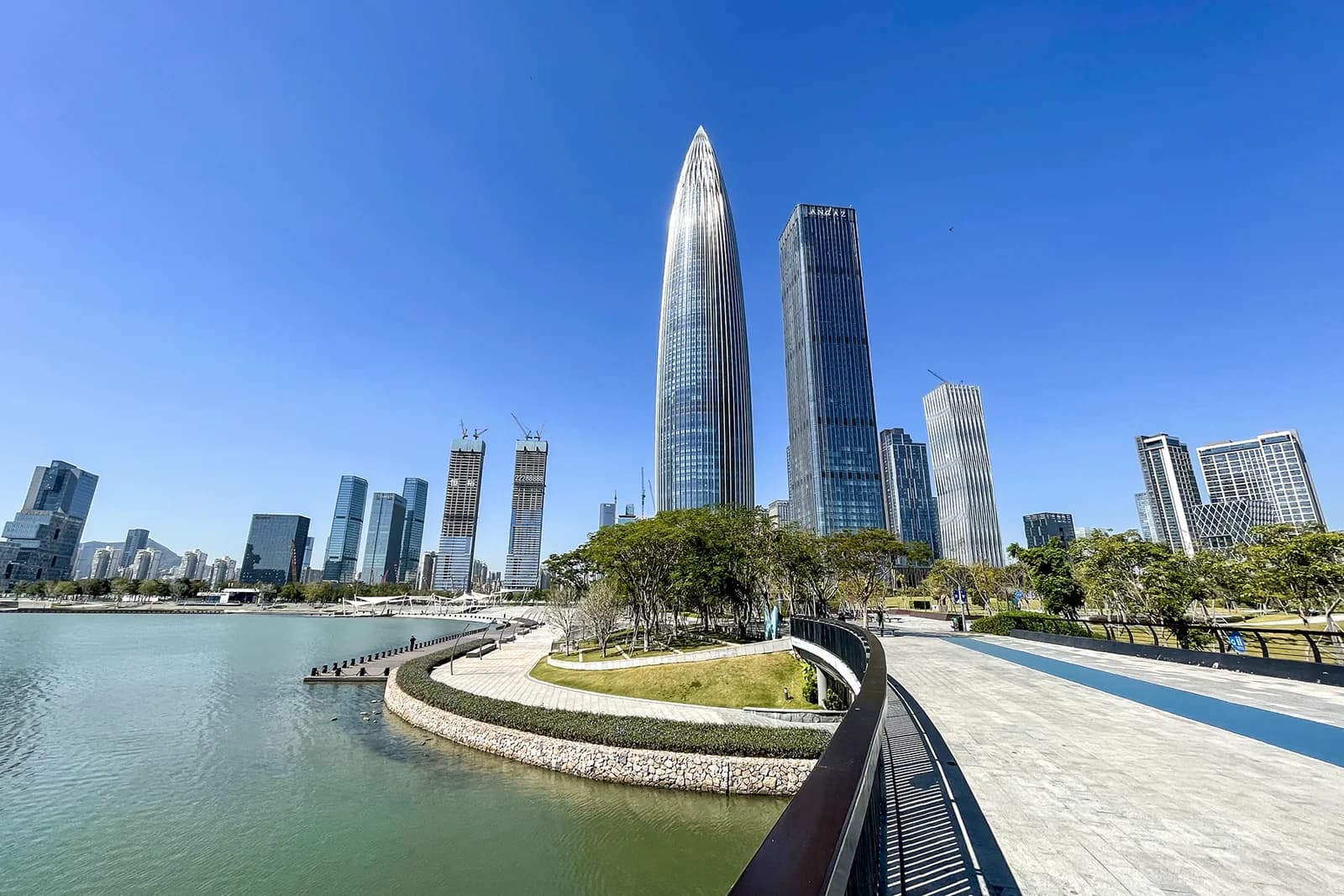
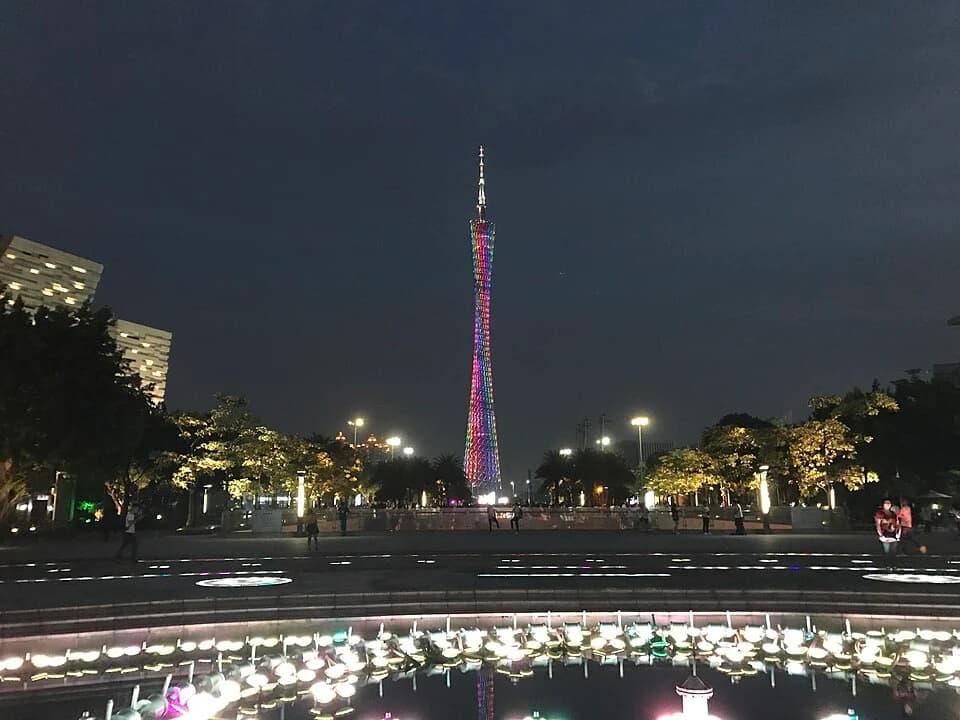
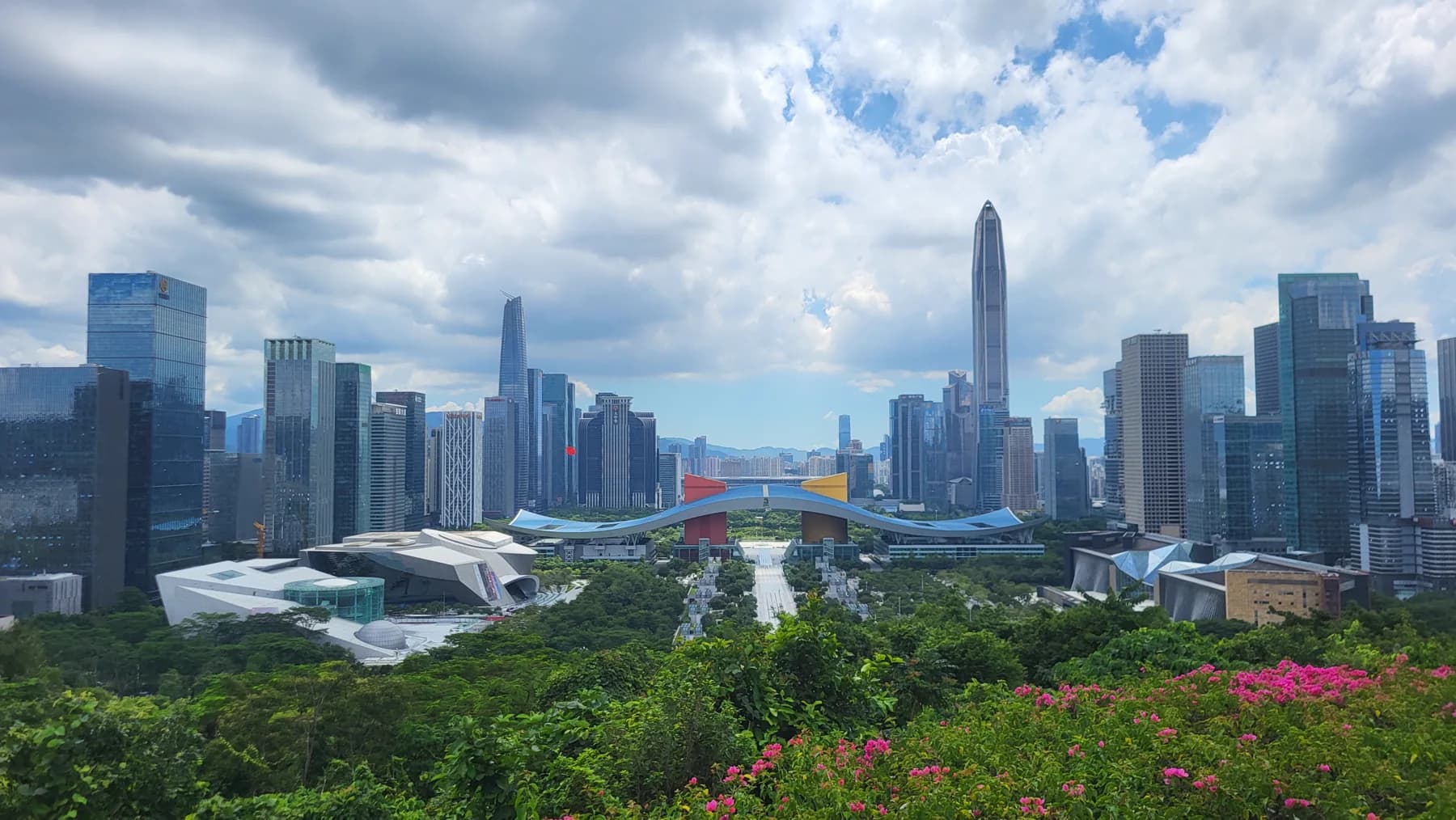
Guangzhou is strongest for food and long urban history. Shenzhen adds electronics markets, civic parks and large waterfronts.
Foshan adds craft, Kaiping adds diaolou villages, and Chaozhou adds an old trading city with its own meals and tea.
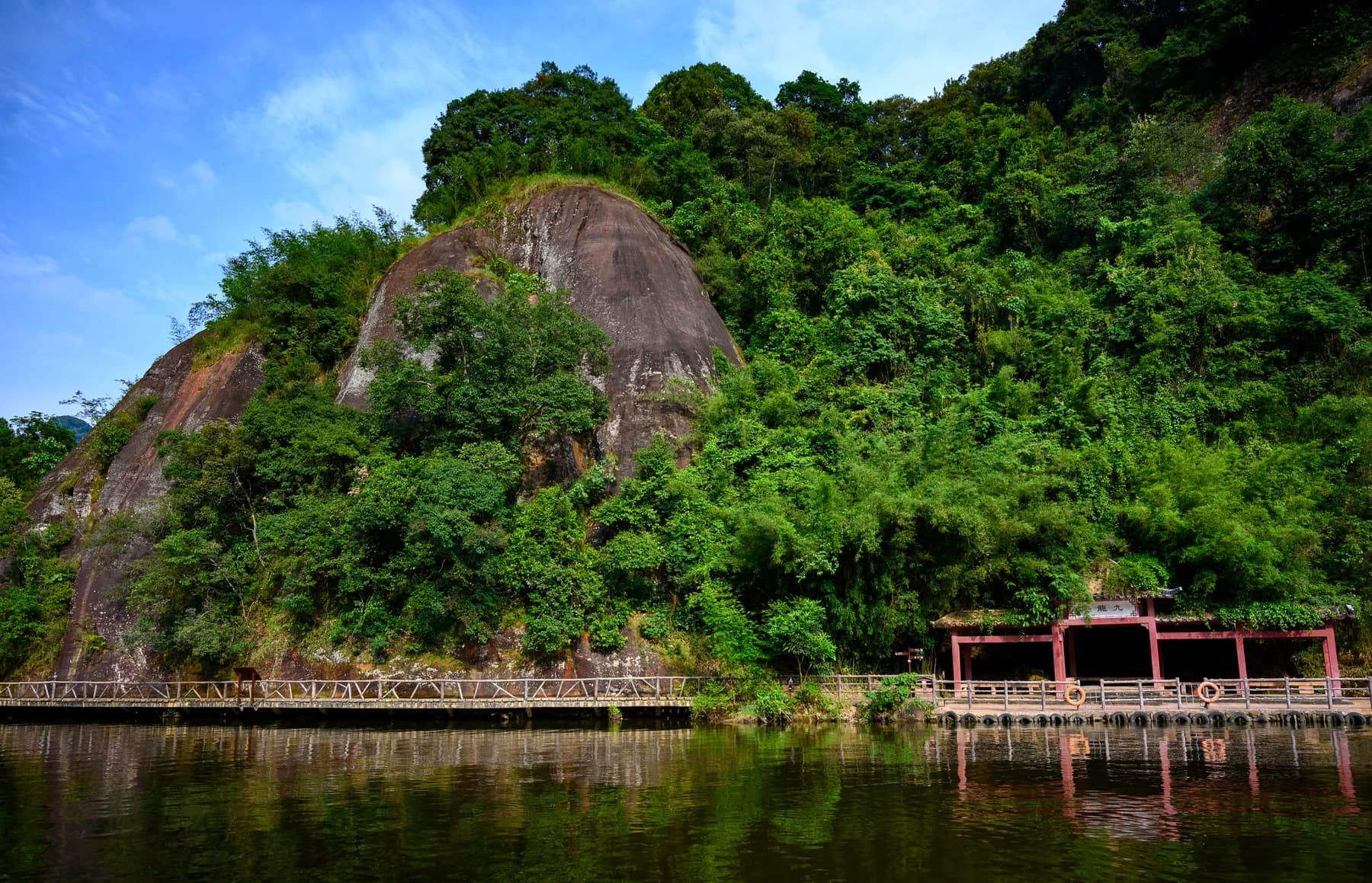
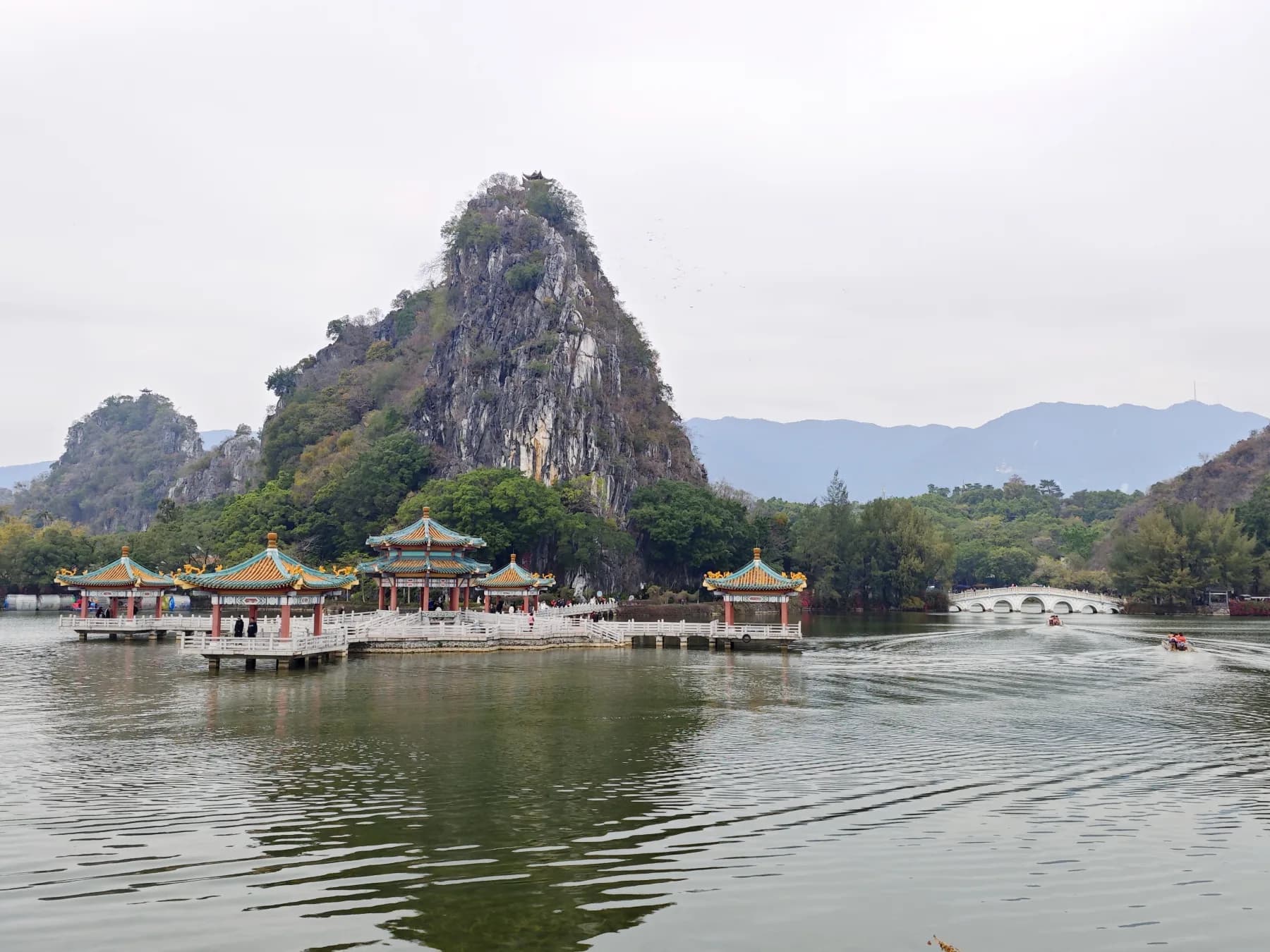
Danxia landforms, limestone lakes, wetlands and outer coasts each need their own weather and transport plan.
Rail and metro make Guangzhou, Foshan and Shenzhen easy to combine once the right stations and hotel districts are chosen.
Before booking
Distance is the main constraint. A short train ride can still consume half a day after checkout, station access, luggage and the final trip to the next hotel are included. Two well-chosen bases leave more time for neighbourhood walks and meals.
Summer heat and heavy rain can reduce walking time sharply. Mountain visibility, coast access and road conditions need recent information, so keep outdoor days movable and prepare an indoor option in a major city.
Who should go
Food and history trips have the clearest first route. Start in Guangzhou, add Shenzhen, then choose Shunde, Chaoshan, Kaiping or Chaozhou according to the part of the trip that matters most.
Nature-first trips need a firmer choice. Compare walking demand, season and last-mile transport for Mount Danxia, Zhaoqing, Yingxi, Dapeng or the western coast, then keep one landscape area for the trip.
| Traveller | Fit | How to make it work |
|---|---|---|
| Travelling mainly for food | Excellent | Use Guangzhou plus one of Shunde or Chaoshan |
| History and architecture | Strong | Add Kaiping, Foshan or Chaozhou to Guangzhou |
| Modern city traveller | Strong | Pair Guangzhou with Shenzhen |
| Nature-first traveller | Selective | Choose one dedicated mountain or coast region |
| Very short stopover | Limited | Stay in one district of one city |
| Iconic-monument collector | Mixed | Consider whether another Chinese route better matches the goal |
Practical answers
It can be, especially with Guangzhou or Shenzhen as a well-connected first base. Travellers should prepare payment, connectivity, translation and current entry information before arrival.
Costs vary sharply by city, hotel standard and transport choices. The province offers wide food and accommodation ranges, but cross-city transfers and frequent hotel changes add up.
Normal city-travel precautions apply. The more common planning risks are heat, storms, traffic, long transfer days and relying on outdated opening or transport information.
Seven to ten days is a useful first-trip range. Stay longer if adding Chaoshan, Shaoguan or another outer region.
Guangzhou is the clearest first stop for food and historical context. Shenzhen is equally practical if your transport arrives there and you want a modern-city opening.
Need a route built around you?
Share your travel party, pace, interests and priorities. We will reply with a practical order for the cities and explain what planning help we can offer.