A sensible first trip
7-10 days · two or three bases
Guangdong Province · China
Guangdong is not one city with a few day trips attached. It is morning tea in Guangzhou, hardware markets and open coast in Shenzhen, Hakka villages inland, Chaoshan cooking in the east and long shorelines to the west.
For a first independent trip, choose two or three bases and give Guangdong at least a week. Guangzhou is the clearest starting point for food and old-city history; Shenzhen adds a very different modern and coastal chapter.
7-10 days · two or three bases
Guangzhou for food and old-city context
Open the related guideShenzhen for urban systems and coast
Open the related guideOne district or landscape per half-day
Why visit
Food is the easiest first layer. Yum cha sets the morning rhythm in Guangzhou; Chaoshan beef hotpot and gongfu tea pull a trip east; Hakka stuffed tofu and preserved dishes make more sense alongside the settlements that shaped them. Meals are not an extra between sights - they help determine where the day goes.
The second layer is movement. Guangdong’s large cities are easy to combine by rail, but station location, hotel changes, luggage and the final local connection matter more than headline journey times. A good route stays in one direction and leaves room for rain, heat and a long meal.
The third is contrast. A single trip can move from Guangzhou’s arcades and clan architecture to Shenzhen’s electronics districts, civic parks and eastern coast, then to diaolou villages, karst mountains or quieter seafront cities. The contrast is the reason to travel across the province - but only if each place gets enough time.
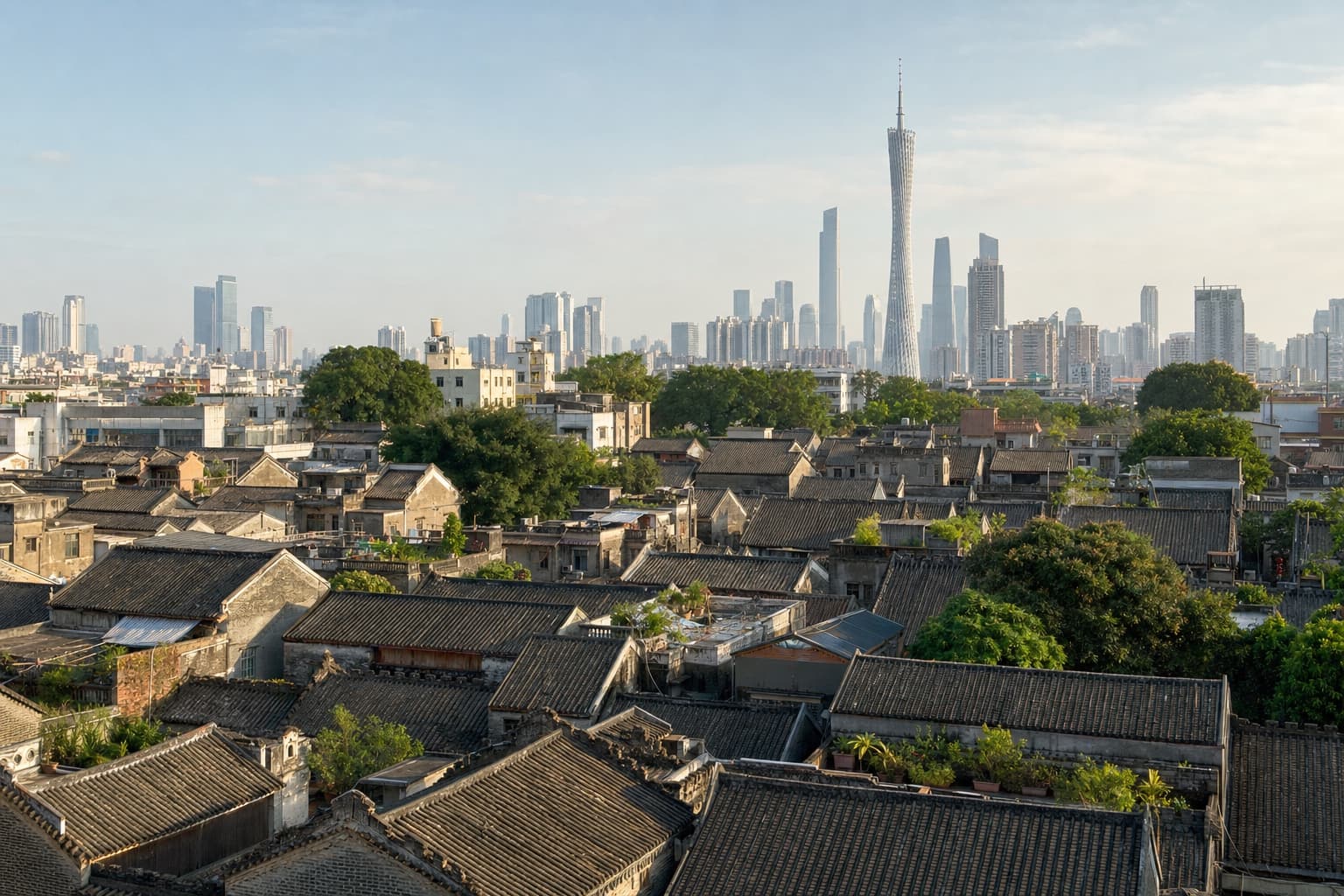
The first layer is the Pearl River Delta: a dense network of trading and manufacturing cities connected by rail, metro, river and road. Guangzhou supplies the clearest historical frame, while Shenzhen shows how a much newer metropolitan system works. Foshan adds craft, temple and food traditions without pretending to be a smaller copy of Guangzhou. The interest lies in comparison, not in collecting skylines.
The second layer comes from movements of people. Kaiping’s diaolou and villages record overseas migration and the return of money, ideas and architectural forms. Hakka areas tell other migration stories through settlement patterns, shared dishes and family buildings. Chaoshan’s old trading streets, tea practice and food vocabulary feel distinct again. These are not decorative “cultural stops”; they change how the province is understood.
The third layer is landscape. Mount Danxia is a walking and weather decision, not a quick photo stop. Zhaoqing brings limestone peaks and lakes into an urban edge. Shenzhen’s eastern coast, Zhuhai’s public waterfront and the longer western coast have different access and sea conditions. A useful itinerary chooses one landscape chapter and gives it recovery room; it does not promise mountains, villages and beaches in the same breathless week.
At a glance
Treat these four regions as planning languages rather than administrative borders. Delta days can often use urban rail, but the first and last kilometre still decide whether a transfer is easy. Chaoshan works best as a compact eastern stay with time for both an old-city walk and several meals. Hakka areas usually need more deliberate road planning. Mountain and outer-coast days depend most heavily on weather and return transport.
The province is warm and humid for much of the year, but a single seasonal slogan is not enough. City walking, mountain visibility and coastal safety respond differently to heat, rain, storms and holiday demand. Keep indoor alternatives in large cities, use a fresh forecast for outdoor days, and avoid publishing a fixed beach promise many months before travel.
Language preparation is practical rather than ceremonial. Save Chinese names for hotels, stations, dishes and allergies, because English spellings vary and staff support is uneven. A screenshot with the full address is more useful than a translated attraction nickname. The Traditional Chinese edition of this guide keeps those terms beside the travel decision so they remain easy to retrieve on the road.
Dense city connections, Lingnan architecture, food traditions and modern waterfronts.
Old trading streets, ancestral culture, precise food traditions and gongfu tea.
Migration history, village architecture and a sturdy shared table.
Longer transfers, stronger weather dependence and landscapes worth their own day.
Food
“Cantonese food” is often used loosely outside China. On the road, it helps to distinguish Cantonese cooking around the Pearl River Delta, Chaoshan cooking in the east and Hakka food across inland and eastern communities.
Cantonese cooking is the broadest first entry, but even that label hides different settings. Yum cha is a morning social meal built in rounds; a roast-meat counter is a compact everyday lunch; a seafood or banquet table depends on group size and live ordering. Shunde sharpens the focus on ingredients and technique. The same dish name can make more or less sense depending on the room, the time and the number of people sharing.
Chaoshan meals use another vocabulary: clear beef hotpot organised by cut, braised goose sold by part, rice-noodle soups, small-oyster omelettes, seafood and gongfu tea. A single hotpot dinner in Guangzhou can introduce the flavours, but several meals in Chaozhou and Shantou reveal how breakfast, tea and late-night eating connect. That depth is the reason to make the regional transfer.
Hakka food is often best understood at a shared table: stuffed tofu, preserved vegetables, salt-baked or braised dishes and practical combinations shaped by settlement and movement. It appears in Meizhou and other Hakka areas, but also inside Shenzhen and the eastern delta. Travellers eating alone should ask about half portions, use specialist lunch sets where available and avoid ordering a banquet-sized table simply to tick off names.
Morning tea, roast meats, clear broths, steamed seafood, noodles and neighbourhood sweets.
Beef hotpot, braised goose, seafood, rice noodles and tea served with attention.
Stuffed tofu, salt-baked chicken, preserved vegetables and substantial claypot dishes.
Major stops
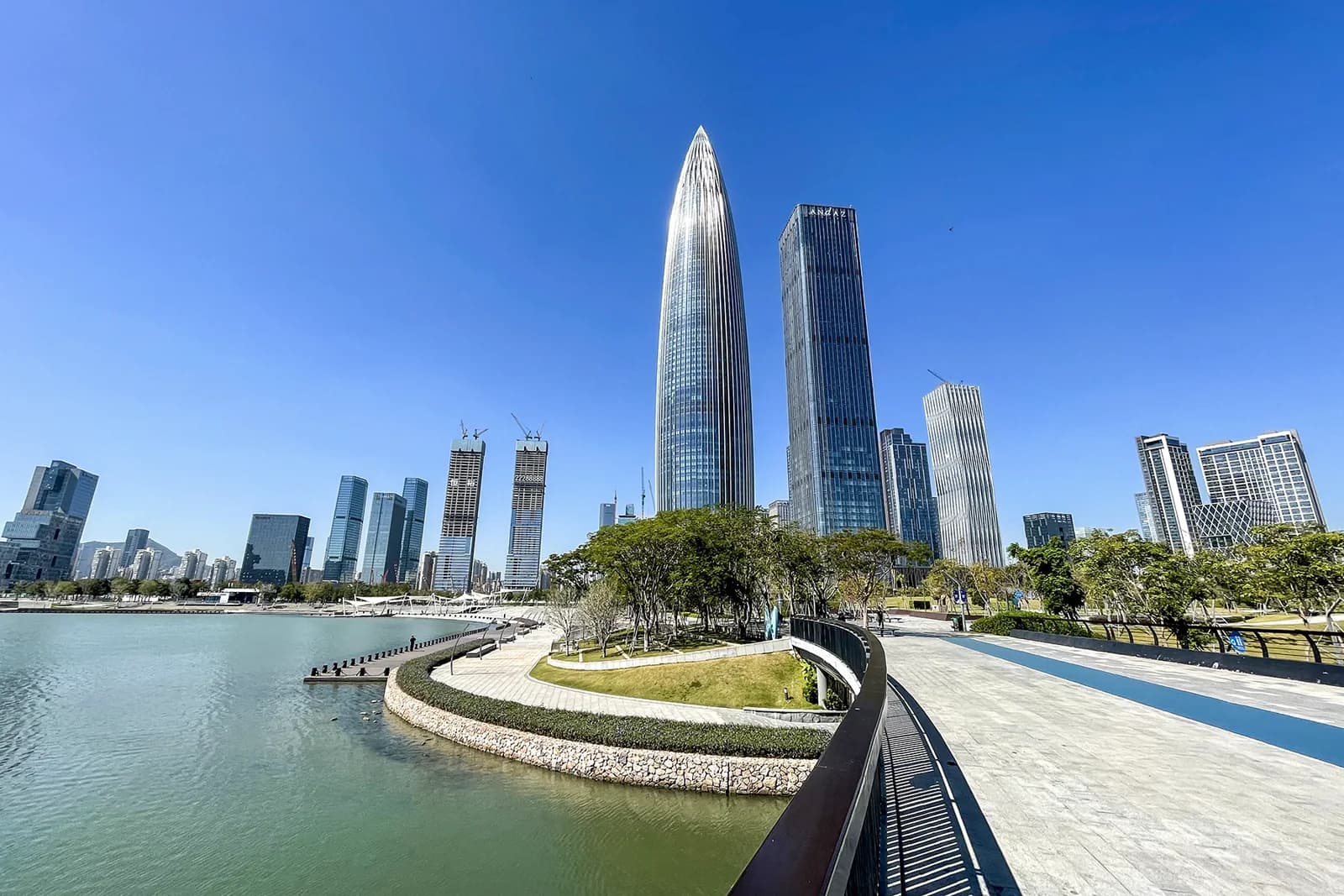
Guangzhou should usually carry the first three days because it can explain food, archaeology, clan architecture, river trade and modern civic space without a hotel change. Shenzhen then supplies a strong contrast, but it also needs two full urban days: one around Futian and the working city, another around Nanshan’s older layers, design spaces and waterfront. Treating either city as one landmark and one dinner wastes its role.
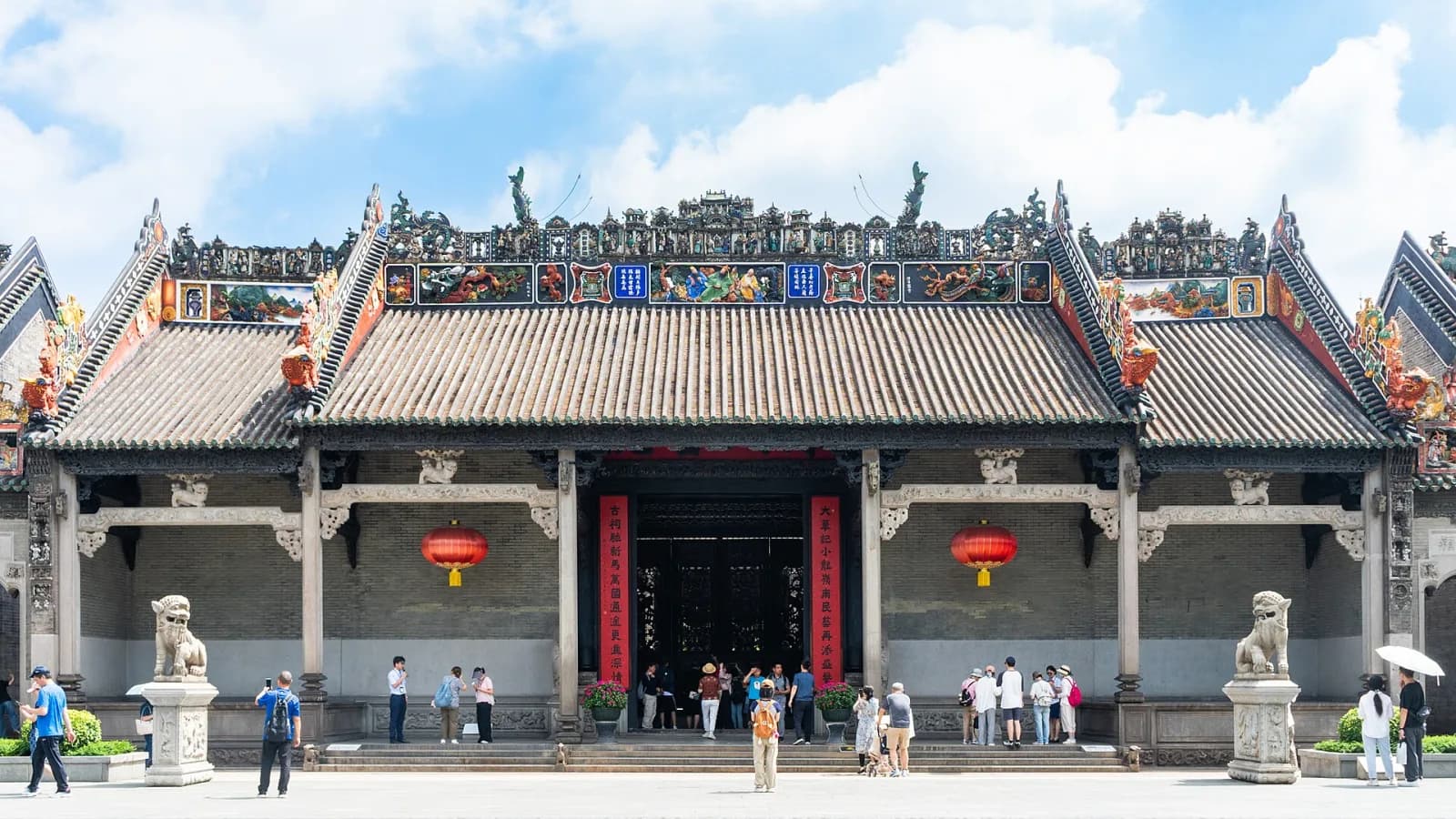
Foshan and Shunde work best as a deliberate choice, not a leftover afternoon. Choose Foshan’s Ancestral Temple and ceramics for craft and urban history, or organise a Shunde day around meals and one nearby cultural stop. Kaiping is different again: the diaolou sit among villages and fields, so reaching the area and moving between clusters requires more time than a city attraction list suggests.
For a third base, decide what must change. Chaozhou and Shantou change the food language and old trading-city atmosphere. Shaoguan changes the physical landscape. Zhuhai offers a softer urban waterfront between denser cities. Zhaoqing pairs an urban base with lakes and limestone scenery. The answer is rarely to add all four; it is to choose the contrast that the first two bases do not already provide.
The best first base for understanding Lingnan food and Guangzhou’s long trading-city history.
Open the related guide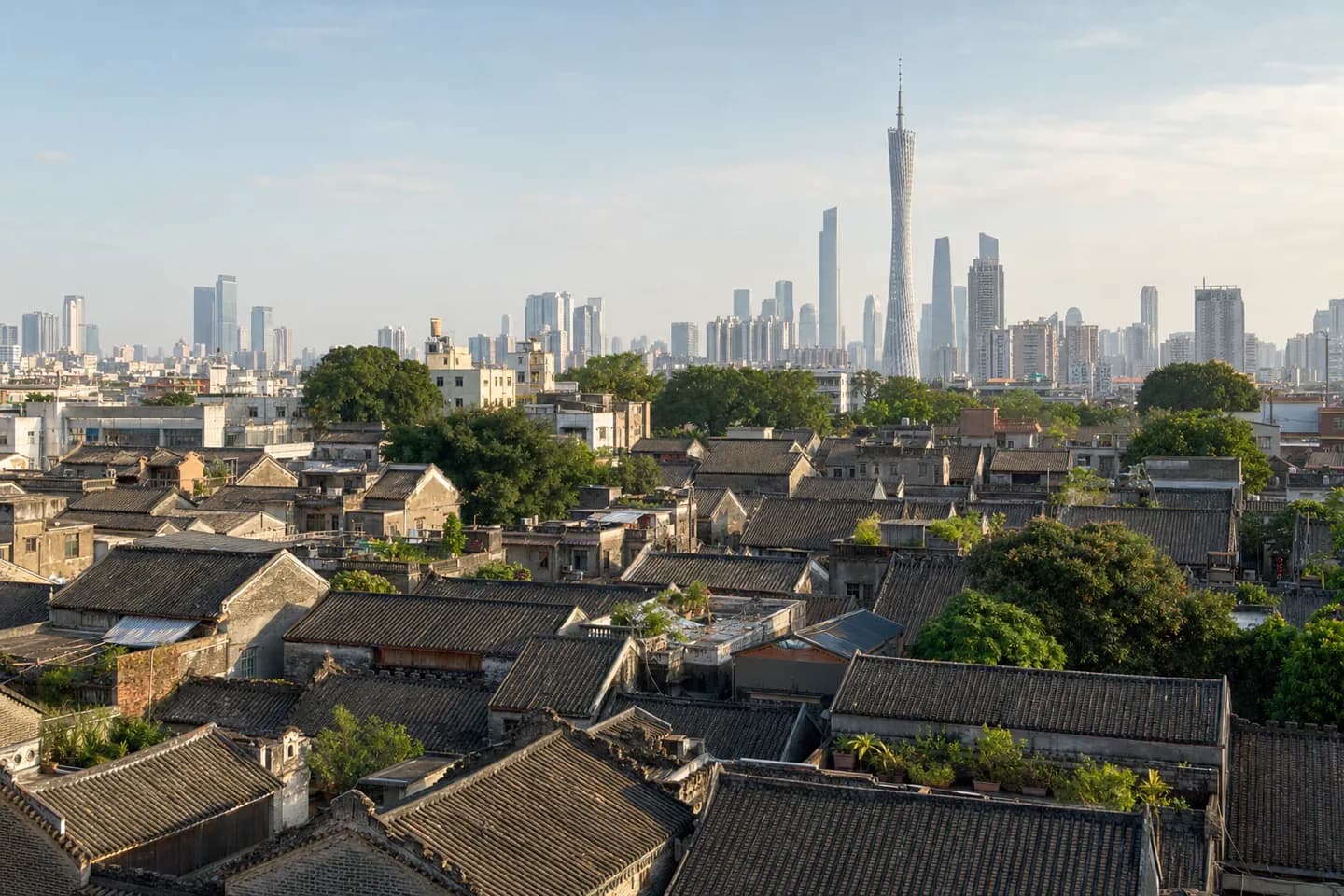
A district-led city where electronics markets, adaptive neighbourhoods and a broad coastline reward curiosity.
Open the related guide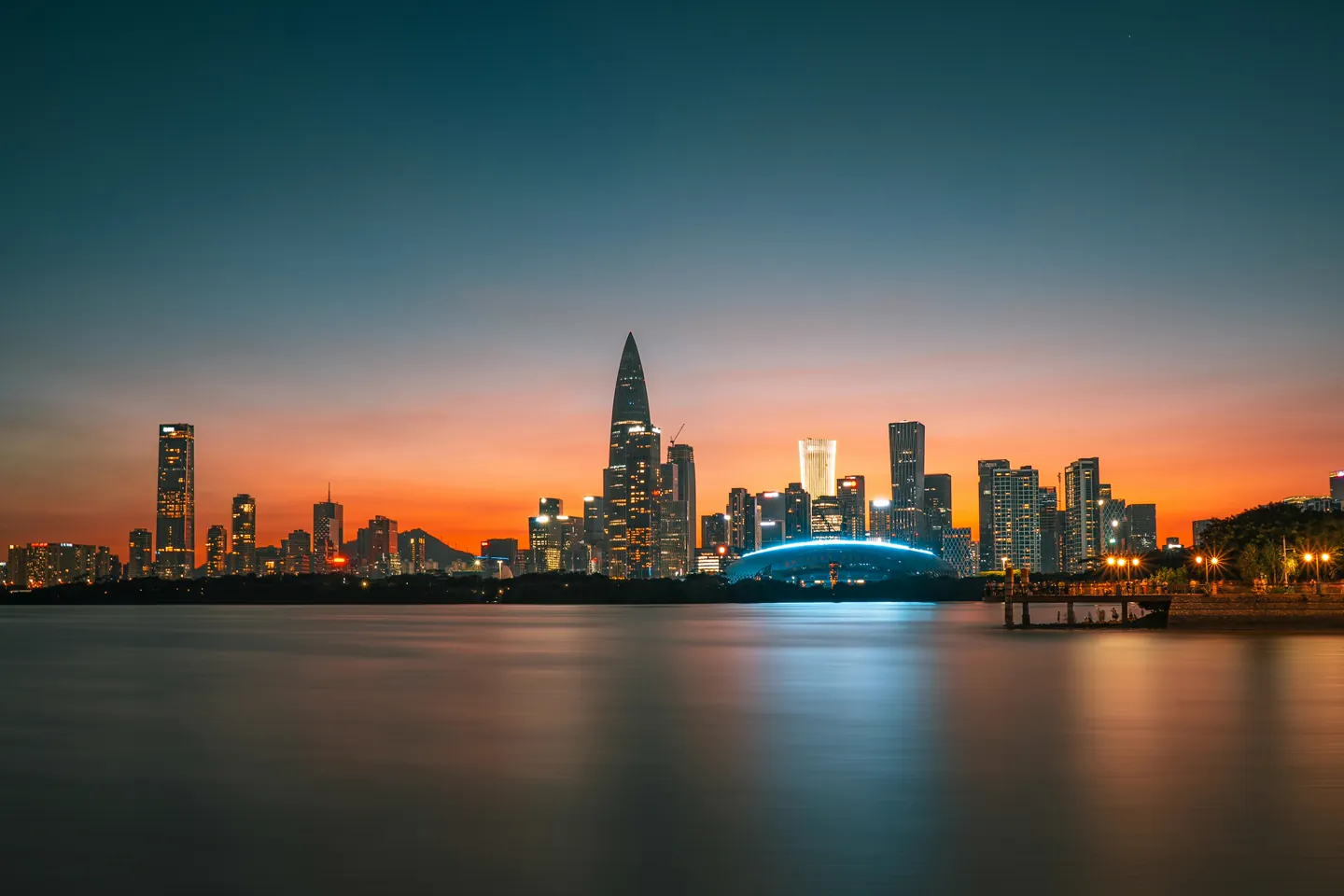
Close to Guangzhou, but worth its own day for the Ancestral Temple, ceramics and a meal in Shunde.
Diaolou towers and village landscapes tell a specific story of overseas migration and return.
Choose a route shape
More days should reduce pressure before they increase the number of cities. These three shapes start with bases, luggage and direction rather than a list of attractions.
Use Guangzhou for arrival, Xiguan, Yuexiu and a Foshan day; then move once to Shenzhen for a central-city day and a Nanshan day. Keep the departure day close to the hotel. This shape produces contrast without pretending to cover the province.
Move broadly west to east: Guangzhou, Kaiping, Zhuhai and Shenzhen, with Foshan handled from Guangzhou or as a purposeful overnight. Two Kaiping days cover arrival and one coherent village cluster; Zhuhai then provides a lower-intensity waterfront day before Shenzhen.
Keep the core, then choose either two nights around Shaoguan for landscape or three nights across Chaozhou and Shantou for food and old-city culture. Both are valid; taking both usually turns the extra week into transfer recovery rather than deeper travel.
Getting around
A fast train does not remove the slow parts around it. Full travel time includes checking out, reaching the correct station, security, waiting, the ride, onward urban transport, finding the hotel and checking in. A headline journey of less than an hour can therefore consume half a useful day. On a hotel-change day, one nearby walk or meal is a success; a full sightseeing list is usually false economy.
Choose the station pair by hotel geography, not by the fame of the train service. Guangzhou South, Guangzhou East and other terminals do different jobs; Shenzhen North, Futian, Shenzhen and other stations also point towards different districts. Compare door-to-door time and transfers before buying. For smaller places, confirm whether the final connection is a bus, taxi, hired vehicle or reservation-based shuttle.
Keep buffers visible in the itinerary. Large-station security, meal queues, heavy rain, road congestion and difficulty locating an entrance are normal travel tasks, not rare failures. Every three days, protect at least one half-day that can move. A coast or mountain plan should have a named indoor or city alternative, so a poor forecast changes the day rather than breaking the trip.
Practical answers
Yes - especially for travellers who plan around food, city history, living neighbourhoods and strong contrasts between urban and rural landscapes. It is less suited to a rushed one-sight stop.
Seven days is a useful minimum for two bases. Ten days lets you add a smaller city without making every other day a hotel change.
Its regional food traditions, long maritime and trading history, manufacturing cities, Lingnan architecture, Hakka and Chaoshan cultures, mountains and coast.
There is no single answer for the whole province. Cooler, drier periods are generally easier for city walking; coast and mountain plans need a fresh weather check.
Canton is a historical English name associated with Guangdong and Guangzhou. This site uses Canton in the brand, but its travel coverage is the whole of Guangdong Province.
Need a route built around you?
Share your dates, party, pace, interests and known arrival point. We will understand the brief before discussing a planning scope.