Luohu market streets
Dongmen Old Street and Shenzhen's original market district
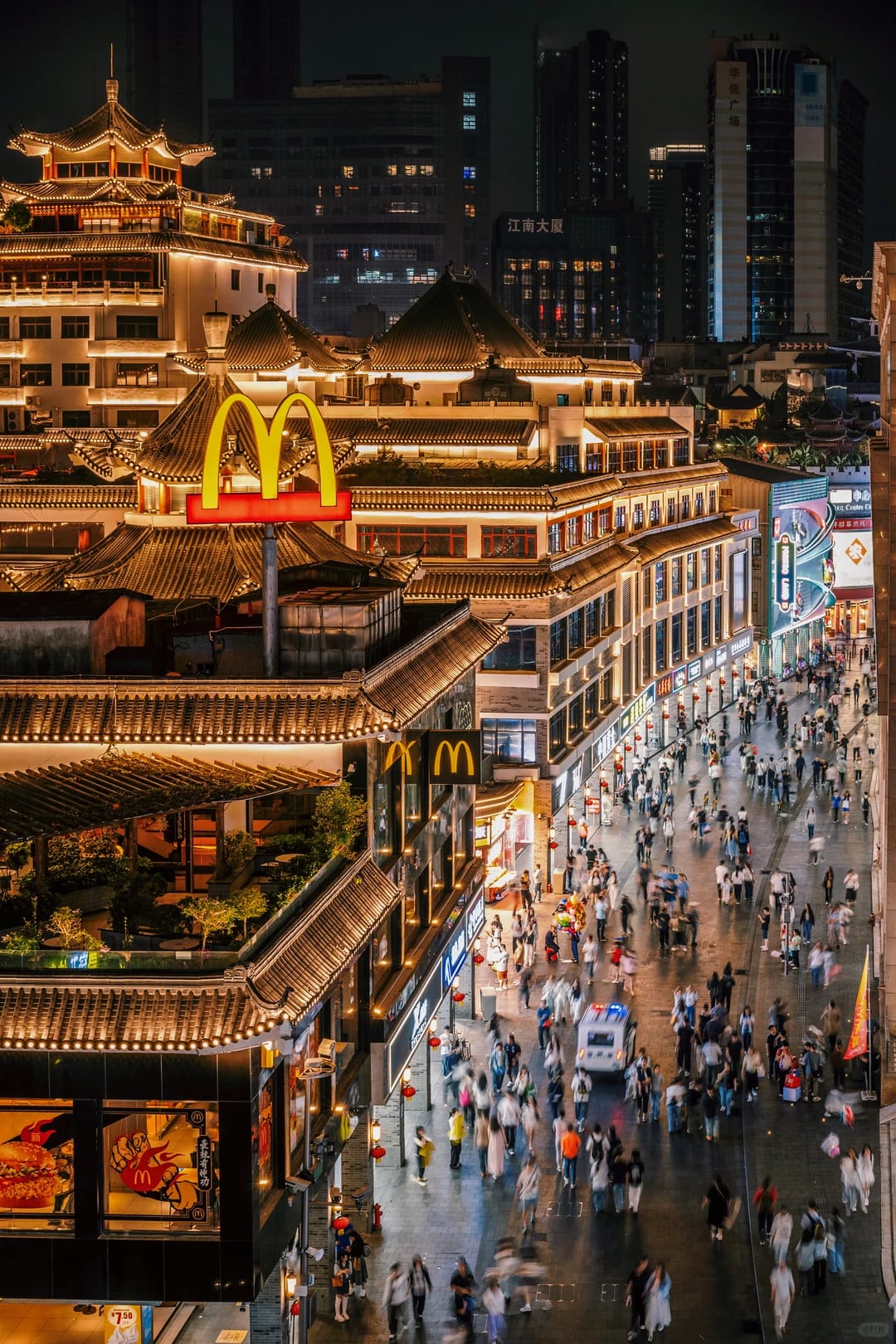
Dongmen is worth a stop when you want street energy, shopping and a trace of the market town that gave Shenzhen its name. Its value lies in the overlap of old commercial memory and a busy modern pedestrian district, so travellers looking for a preserved old town should set different expectations.
Content updated 8 August 2026
Facts to check first
Plan the visit
- Admission
- No general ticket for the public streetsShops, food, events and individual cultural venues set their own charges.
- Opening
- Public pedestrian districtThere is no single opening time for the whole area. Individual businesses keep different hours.
- Getting there
- Laojie station on Metro Lines 1 and 3Save the exact Dongmen POI first, then choose the nearest station exit.
- Allow
- 1.5 to 2.5 hoursAdd more time only when shopping or a particular food stop is a priority.
01
Why visit Dongmen Old Street
The district began as Shenzhen Market, a rural market formed among nearby villages in the middle of the Ming period. After Shenzhen became the city name in 1979, the old market took the name Dongmen Old Street. That history survives as a commercial lineage rather than an untouched architectural ensemble.
The modern pedestrian district has been rebuilt more than once. The useful question on a visit is how the old market identity keeps being reused inside a city whose retail habits continue to change.
02
How to visit
- 01
Begin near Dongmen Cultural Square and find the bronze scene of the old market before following the busiest retail street.
- 02
Leave the main flow for one or two side streets. Compare the surviving place names and older street scale with the malls and rebuilt frontage.
- 03
Choose one snack or meal rather than grazing at every stall, then exit toward the next Luohu stop before the crowd becomes tiring.
What fits nearby
- 01
Continue to a verified Luohu meal instead of crossing the city
- 02
Use another day for Fairy Lake Botanical Garden
Read the district
What remains from Shenzhen Market
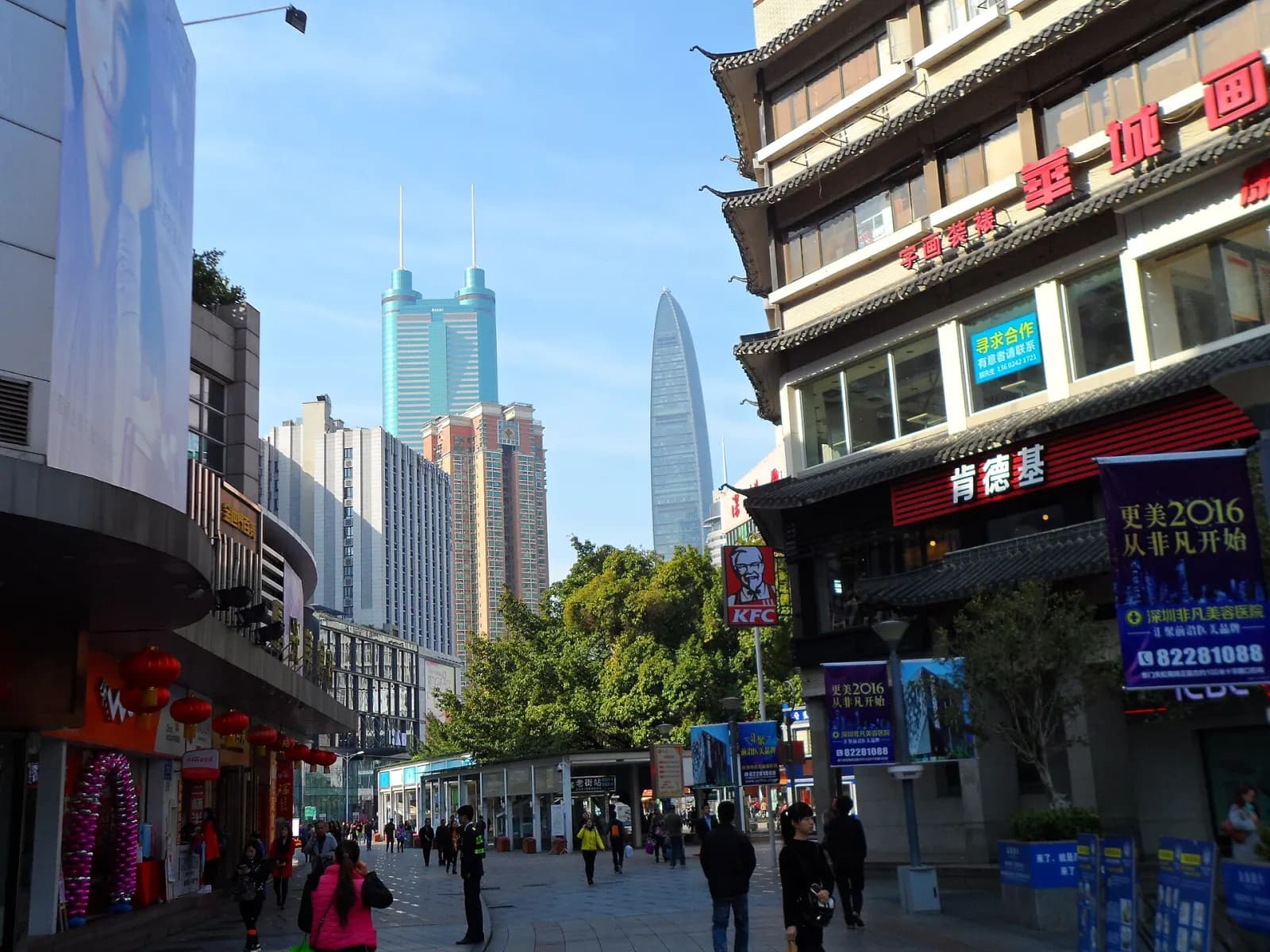
Dongmen does not present its history as one complete monument. The old market scene in the cultural square, long-used street names and the commercial pull of the district work together. They explain why the area still matters even after repeated rebuilding.
This also sets Dongmen apart from Nantou Ancient Town. Nantou offers gates, museum rooms and a former administrative centre. Dongmen is the better stop for understanding how a market identity survives through constant commercial change.
FAQ
Frequently asked questions
Is Dongmen Old Street worth visiting?
Yes for travellers interested in street commerce, crowds and the older market identity of Luohu. Travellers seeking quiet heritage architecture may prefer Nantou Ancient Town or Dapeng Fortress.
How long do I need at Dongmen?
Allow 1.5 to 2.5 hours for one focused loop and a food stop. Shopping can extend the visit, but there is little reason to fill half a day without a specific purpose.
Which Metro station serves Dongmen Old Street?
Use Laojie station on Lines 1 and 3. The pedestrian district has several approaches, so open the named Dongmen POI before choosing an exit.
Is Dongmen an ancient street?
Its market history reaches back to the middle of the Ming period, but the present district has been repeatedly rebuilt. Visit for commercial continuity and city memory rather than an intact historic streetscape.
Plan with Joey, a Guangdong local
How does this fit into your Shenzhen trip?
I can work this visit into a day with your hotel journeys, nearby meals and enough time to look around. Tell me what else you want to see and how much walking suits you.
Paid planning from US$50 · Submit a brief without paying
Plan my Shenzhen tripSee a complete sample planPrice, delivery date and revisions agreed before paid work begins.