Chancheng · Museum-scenic area

Foshan Ancestral Temple

Foshan Ancestral Temple (祖廟) is a compact museum-scenic compound of Daoist halls, ceramic ridge ornaments, folk-craft displays and a performance yard. It is the clearest heritage introduction to Chancheng for first-time visitors.

Start with location, transport, tickets and hours—then decide if it fits your plan.

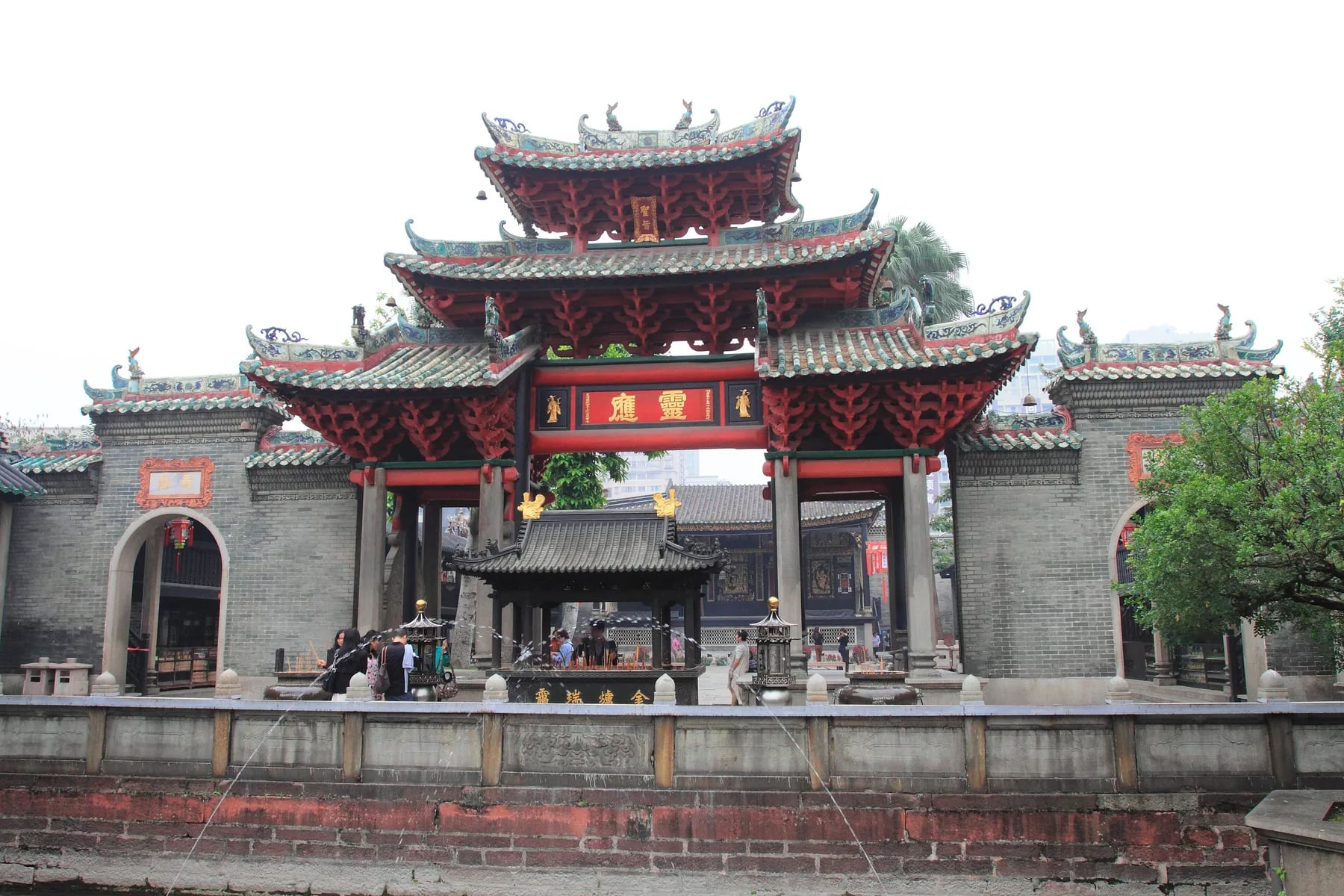
Red Lingying archway at Foshan Ancestral Temple
On-location view
Lingying archway at Foshan Ancestral Temple
Lingying archway · the compound’s front sentenceZhangzhugang · CC BY-SA 3.0
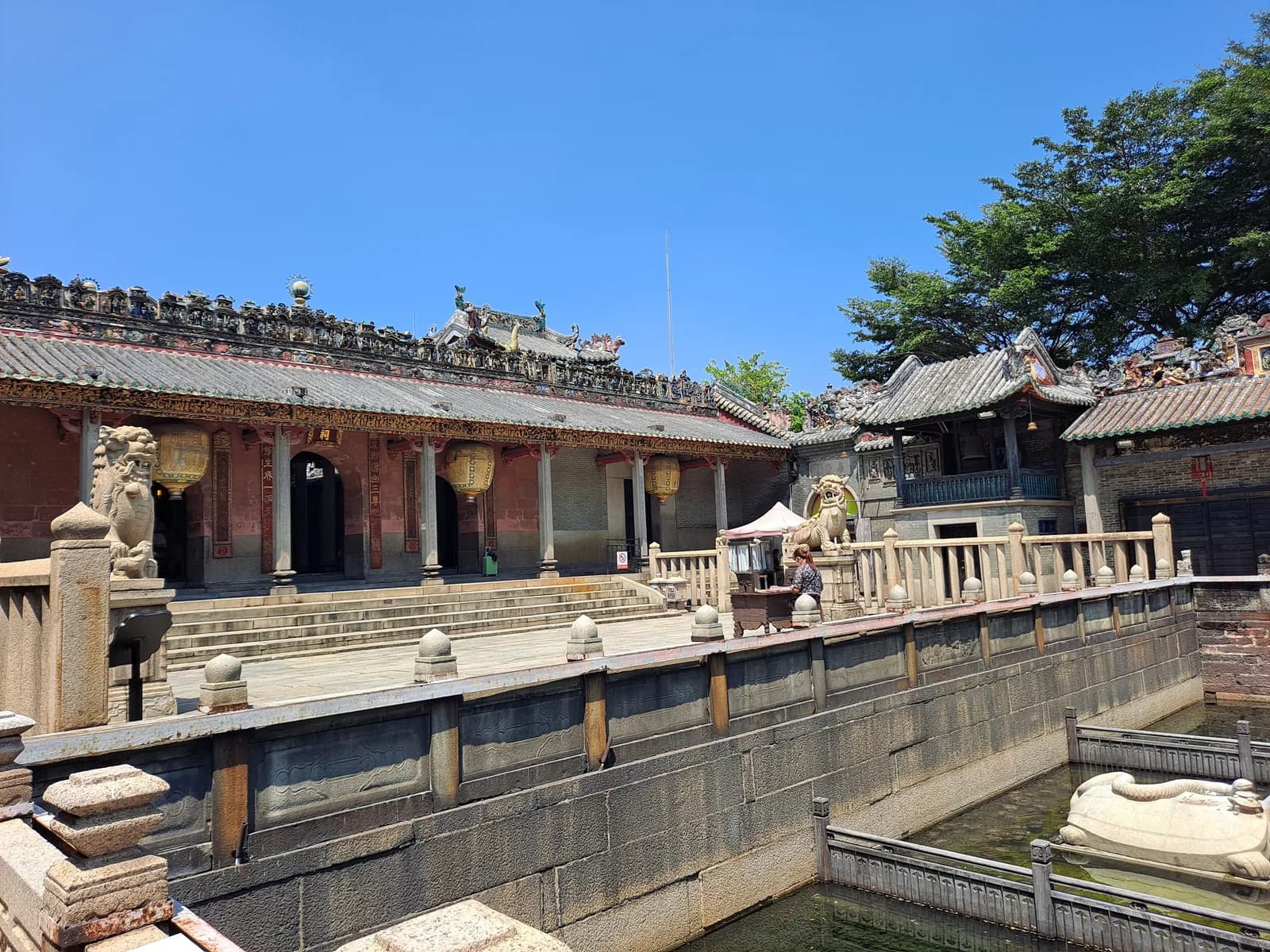
Courtyard architecture inside Zumiao
Courtyards reward looking up at the ridges钉钉 · CC BY-SA 4.0
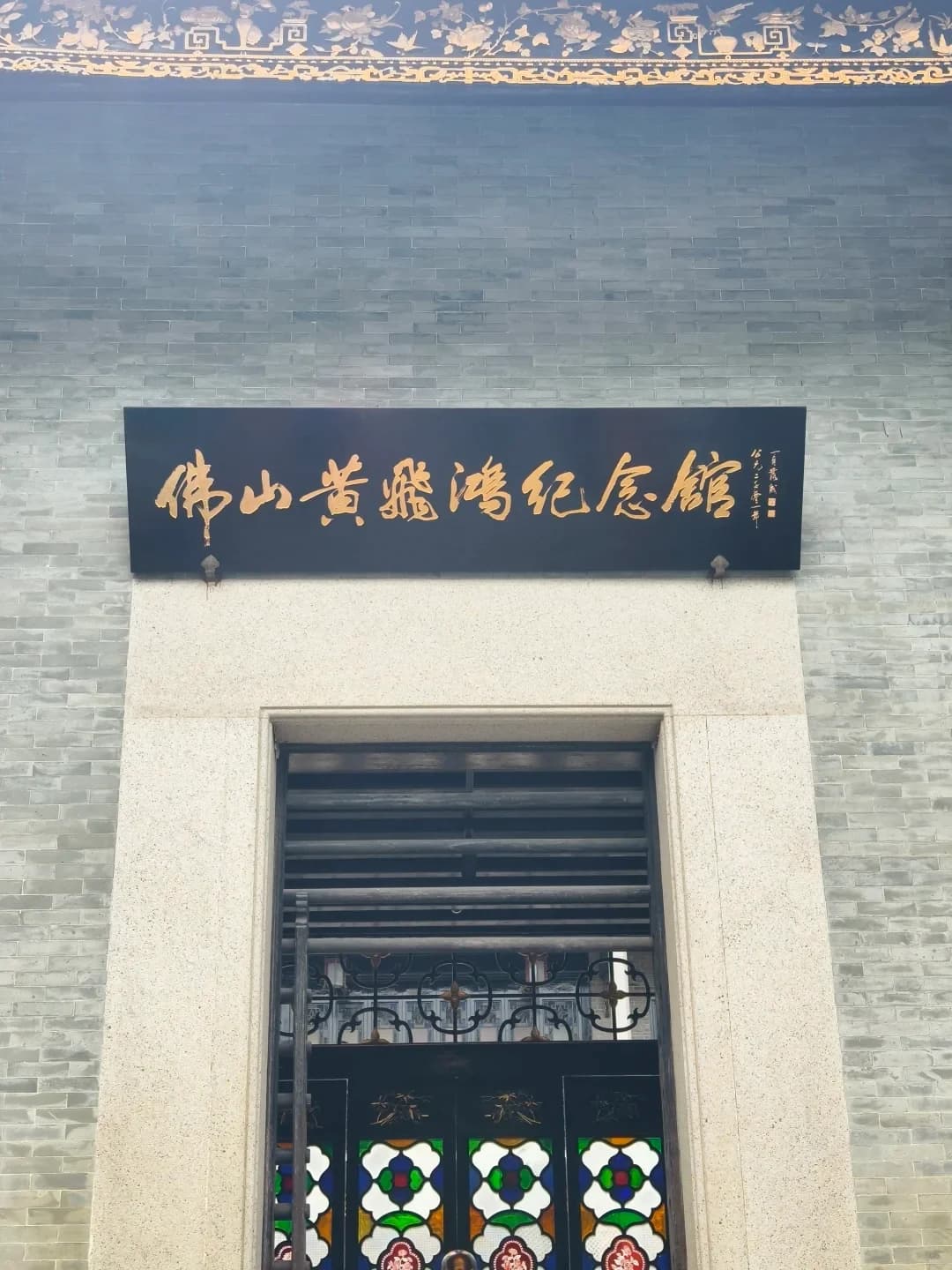
Entrance and name plaque of the Wong Fei-hung Memorial Hall in Foshan
Entrance and name plaque of the Wong Fei-hung Memorial Hall in Foshan下课了 · Xiaohongshu

02 · At a glance

At a glance

  • 01

    Lingying Archway and the main temple axis

  • 02

    Ceramic ridge ornaments and Lingnan timber-brick details

  • 03

    Folk-craft and local-belief displays inside the halls

  • 04

    Martial-arts / lion-dance performances when scheduled

03 · About this place

About this place

Foshan Ancestral Temple (祖廟) is a compact museum-scenic compound of Daoist halls, ceramic ridge ornaments, folk-craft displays and a performance yard. It is the clearest heritage introduction to Chancheng for first-time visitors.

It is Foshan’s clearest cultural “front door.” If you only have one heritage morning in Chancheng, this is the stop that explains why the city is talked about for kung fu, lion dance and Lingnan craft—not only for being next to Guangzhou.

The visit is layered: Lingying archway and courtyards for architecture; indoor displays for local belief and folk craft; the performance yard for a short, free-with-ticket martial-arts or lion-dance segment when scheduled.

It sits next to Lingnan Tiandi and within a short walk of the Wong Fei-hung Memorial Hall, so heritage architecture and nearby street life share one compact Chancheng core.

Admission method, opening windows, concessions and holiday arrangements can change. Check the museum’s current notice before leaving the hotel and treat third-party screenshots as discovery clues only.

Lingying archway at Foshan Ancestral Temple
Lingying archway · the compound’s front sentenceZhangzhugang · CC BY-SA 3.0

04 · What to see

What to see

What you are looking at

A living compound, not a single photo hall

Zumiao packs Daoist halls, carved roofs, folk craft displays and a performance yard into one ticketed walk. The density is the point: architecture, local belief and living performance share one compound.

A full visit usually needs 2–3 hours. A ten-minute gate photo rarely shows why Foshan is linked with lion dance, martial arts and Lingnan craft.
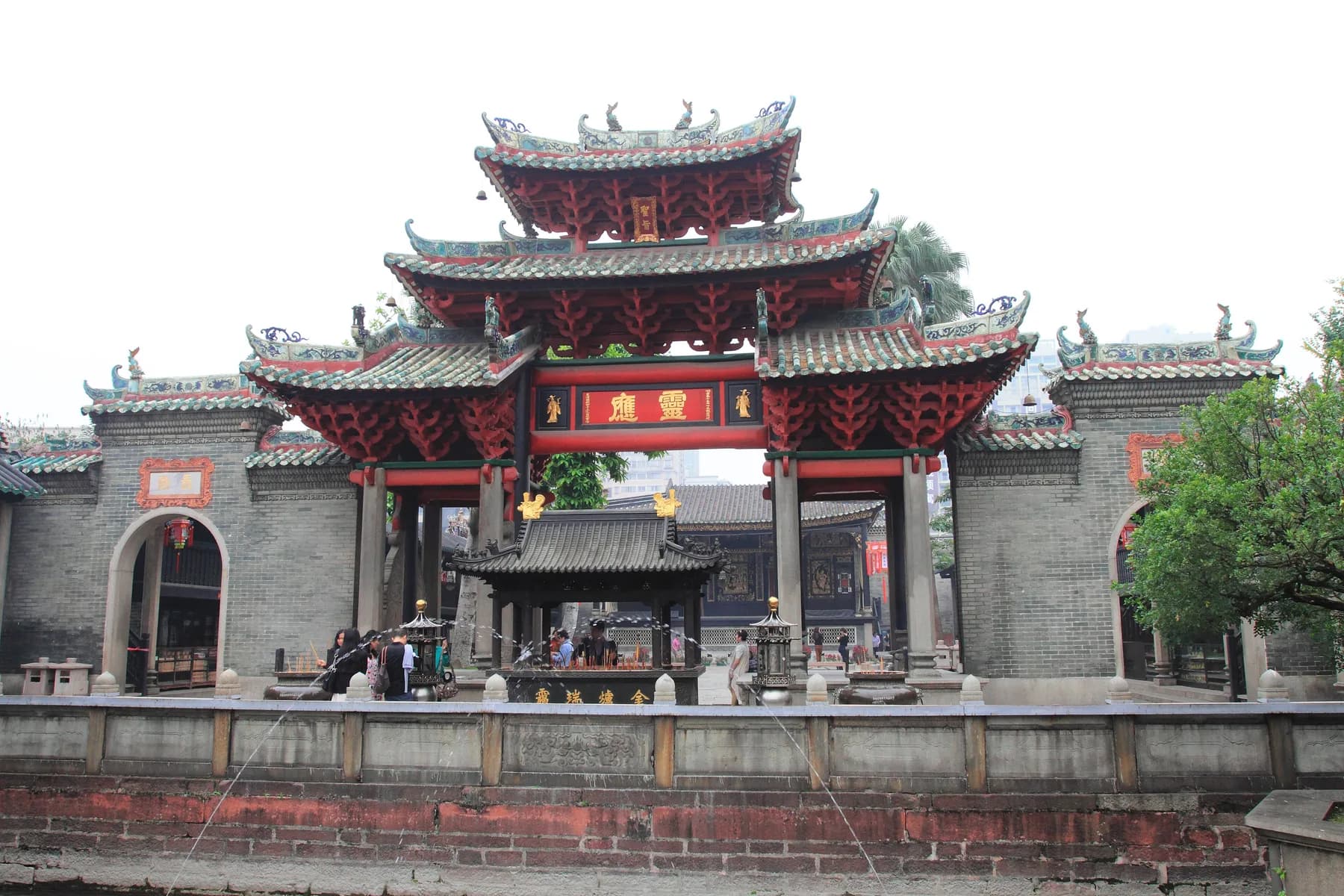
Temple archway and compound entrance
Arrive for architecture first

How the visit feels

Main axis first, then a show if the day allows

Walk the archway and primary halls before side rooms. Check the current admission method, opening window and concessions on the museum notice before departure.

Check the day’s board for lion-dance or martial-arts slots; rain can cancel outdoor performances. Build half an hour around one confirmed slot.

Detail of historic halls inside the compound
Look up: ridge figures are part of the point

Setting and surroundings

A heritage core next to living lanes

The temple sits in the Zumiao cultural core. Immediately outside are free public lanes of Lingnan Tiandi, so architecture and street life share one neighbourhood. Shiwan’s kilns and Shunde’s gardens are separate districts—not the same short walk.

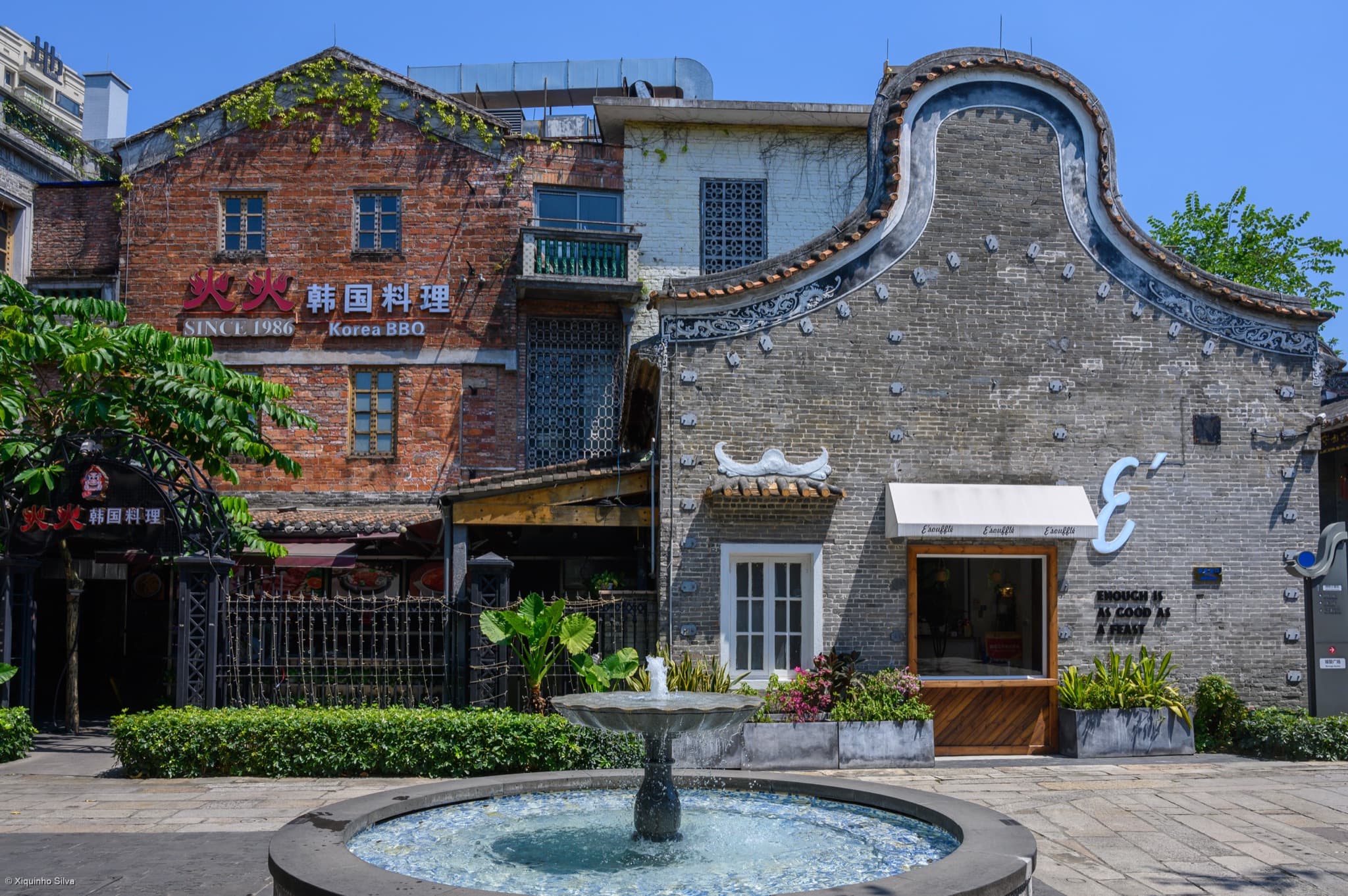
Restored grey-brick buildings and shops in Lingnan Tiandi
Historic buildings and present-day shops share the lanes beyond Zumiao

Inside the same Zumiao walk

Where the Wong Fei-hung Memorial Hall fits

The Wong Fei-hung Memorial Hall belongs to the same walking visit as the Ancestral Temple. Its compact displays explain how Wong became part of Foshan's martial-arts memory and how film carried that name far beyond the city.

Check its current opening separately from the main temple compound. A closure should only remove this short stop, without changing the rest of the Zumiao and Lingnan Tiandi day.

Place it after the main halls and before lunch, with about 45 to 75 minutes available. When the temple or a confirmed performance takes longer, keep the main visit and continue directly to Lingnan Tiandi.

05 · Visit tips

How a visit usually unfolds

A practical visit order and pace—not a full-day itinerary.

  1. 01

    Metro: Guangfo Line / Foshan Metro to Zumiao Station; exits near the temple are a short walk. Aim to be at the gate by 09:30 so you are not fighting peak midday heat and tour groups.

  2. 02

    Inside, walk the main axis first—archway, incense courts, primary halls—before side exhibitions. Look up at the ceramic ridge figures; they are part of why the architecture is worth slowing down for.

  3. 03

    Lion-dance and martial-arts slots vary by day, and rain can cancel outdoor performances. Read the day’s board after entering and build 30–40 minutes around one confirmed slot.

  4. 04

    Allow 2–3 hours total. If you finish by noon, lunch in Lingnan Tiandi; if a show runs late, push lunch back rather than skipping the performance you came for.

  5. 05

    Optional add-on on the same loop: Wong Fei-hung Memorial Hall only if it is open and you still have energy—treat it as a 45–75 minute chapter, not a second main attraction.

Practical notes

  • Midday heat in open courtyards with limited shade—carry water.
  • Performance cancellations in rain; do not plan the whole morning only around one show.
  • Last entry is earlier than closing time; do not arrive at 17:00 expecting a full visit.
  • Ticket discounts and package rules change; confirm current adult / student / senior prices on the day.

Nearby

  • Walk into Lingnan Tiandi for coffee, lunch or evening dinner without another transfer.
  • Afternoon classic: one metro/taxi transfer to Nanfeng Ancient Kiln in Shiwan.
  • Do not try to add Qinghui Garden in Shunde after this—different district, different day.