Lake, karst and written landscape
Seven Star Crags: start with the right entrance
Seven Star Crags covers a large lake-and-karst system. The right route depends on the entrance, weather, walking tolerance and whether inscriptions or open water matter more to you.
Content updated 18 September 2026

Facts to check first
Plan the visit
- Admission
- RMB 70 adult ticket in the official listingThe official site also listed an RMB 120 Seven Star Crags and Dinghu Mountain combination ticket on 8 August 2026. Recheck before paying.
- Opening
- Check the live Xinghu Scenic Area noticeWeather, boats, caves and individual areas can have separate operating conditions.
- Getting there
- Choose North, West or East Gate before leavingThe best gate depends on your hotel, the part of the park you want and where you plan to finish.
- Allow
- 3–5 hoursAdd more only for a slow wetland or boat branch.
01
Why visit Seven Star Crags
The landscape brings limestone peaks directly into the city, while historic inscriptions show that visitors have been interpreting the same rocks for centuries.
Rock, water, paths and inscriptions work together here. Completing every named stop adds little to that experience.
02
How to plan the visit
- 01
Choose the entrance closest to your real starting point and confirm current ticket arrangements.
- 02
Give the first half of the visit to one core loop around the peaks and lake.
- 03
Choose one extra focus between the inscriptions and the boat or wetland area.
- 04
Exit toward Yanqian or Paifang Square only if the day still has weather and energy buffer.
What fits on the same day
- 01
Yanqian Trail for a low-pressure sunset walk.
- 02
Paifang Square for dinner and an easy return to a central hotel.
Route decision
The entrance decides the day
North and West Gate suit a visit centred on the classic peaks and lake paths. East Gate makes more sense when Fairy Lake or the wetland side is the real priority. Do not ask a taxi for 'Seven Star Crags' and decide at the kerb; put the intended gate into the map before leaving.
A useful half-day is one main loop plus one extra interest. The extra can be the inscriptions, a boat or the wetland side. Choosing two usually turns the afternoon into transit inside the park.
If you are driving, decide before entry whether the walk must finish at the same gate. A gate-to-gate route can leave you far from the parked car, so arrange the return transfer or choose an out-and-back walk instead.
A written landscape
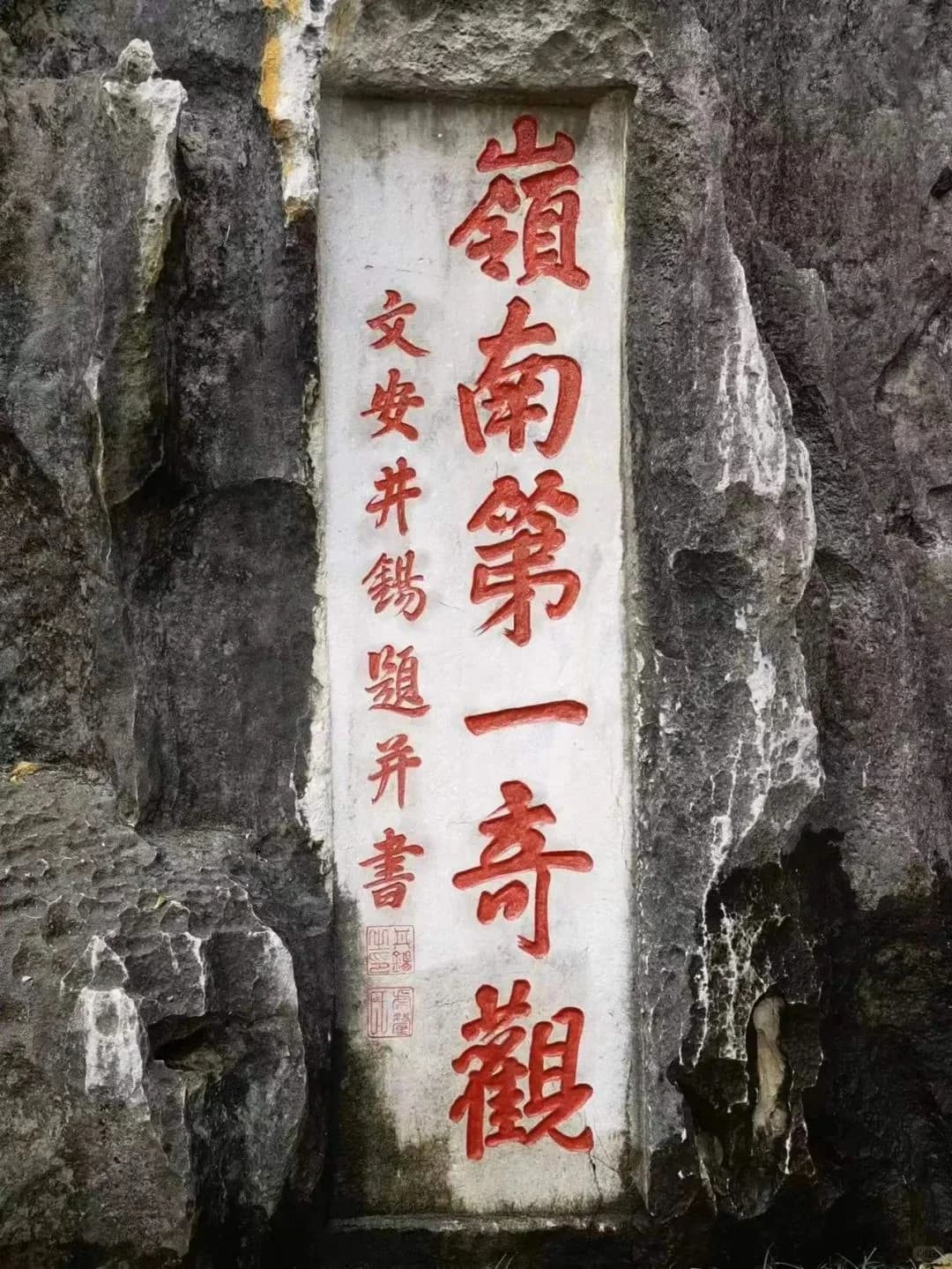
Give the Shishi Cave inscriptions their own hour
At Shishi Cave, the landscape becomes a written record. Generations of visitors carved different scripts into the rock and left their own ways of seeing the same peaks and water.
Slow down for a focused hour if calligraphy or historical landscapes matter to you. Otherwise, see the main chamber and continue; there is no prize for reading every panel.
Optional branch
Treat Xinghu Wetland as a different visit
The wetland side is quieter and more open, but wildlife is never guaranteed. Add it for water, habitat and a slower morning, not because a social post showed one particular bird.
Confirm current access and boat arrangements first. If the main crags have already taken most of the day, leave the wetland for another morning rather than cutting every section short.
FAQ
Frequently asked questions
Is Seven Star Crags worth visiting?
Yes if you want a walkable karst-and-lake landscape beside the city. It is less rewarding when you have only an hour or expect to complete every named sight.
How long should I spend at Seven Star Crags?
Allow three to five hours for one main loop and one extra focus. A wetland or boat-heavy visit can take longer.
Which entrance should I use?
Choose the gate that matches your starting point and route. North or West usually suits the classic core; East better serves the Fairy Lake and wetland side. Confirm live access before leaving.
Plan with Joey, a Guangdong local
How does this fit into your Zhaoqing trip?
I can work this visit into a day with your hotel journeys, nearby meals and enough time to look around. Tell me what else you want to see and how much walking suits you.
Paid planning from US$50 · Submit a brief without paying
Plan my Zhaoqing tripSee a complete sample planPrice, delivery date and revisions agreed before paid work begins.