A sensible first trip
7-10 days · two or three bases
Guangdong Province · China
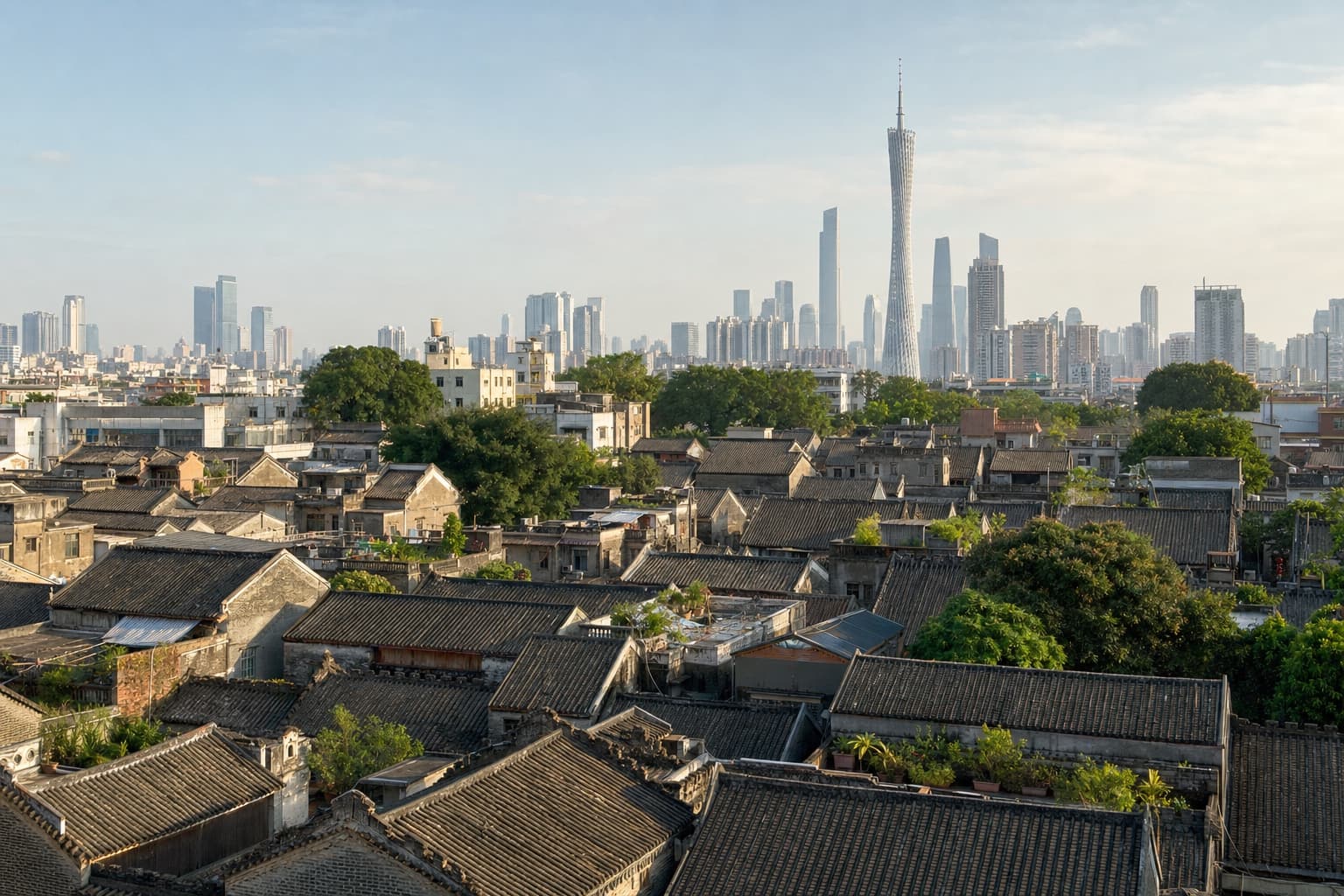
This Guangdong travel guide helps you choose a route across a province too large for one city and a handful of day trips. Start with food and old neighbourhoods in Guangzhou, continue to Shenzhen for markets and waterfronts, then add one smaller place if time allows.
Allow at least seven days and use two bases. Spend the first part in Guangzhou, move once to Shenzhen, and add a third base only when the trip is longer or one regional interest matters enough.
Born and raised in Guangdong. Planning trips across the province.
Paid planning from US$50 · No payment to submit a brief; quote agreed first
7-10 days · two or three bases
Guangzhou for food and old-city context
Explore Guangzhou in detailShenzhen for markets and waterfronts
Explore Shenzhen in detailOne district or landscape per half-day
Plan the route
Food often decides the first base. Morning tea and old-city noodles favour Guangzhou. Beef hotpot and gongfu tea can justify several nights in Chaoshan. A Hakka meal becomes more useful when the same stop also includes settlement history.
Rail connects the major cities, but the full move also includes checking out, reaching the right station, carrying luggage and getting from the arrival station to the next hotel. Keep the route moving in one direction and leave room for heat, rain and meals.
After Guangzhou and Shenzhen, choose one change of setting. Kaiping adds diaolou villages, Shaoguan adds a mountain day, and Chaozhou or Shantou adds several regional meals. Give that choice enough time to justify another hotel.
At a glance
The Pearl River Delta is the easiest area to combine by rail. Chaoshan works better as a stay of several nights. Hakka areas need more road planning, while mountain and outer-coast days depend heavily on weather and return transport.
Save Chinese names for hotels, stations, dishes and allergies. Use a recent forecast for outdoor days, and keep an indoor alternative in Guangzhou or Shenzhen when heat or rain may change the plan.
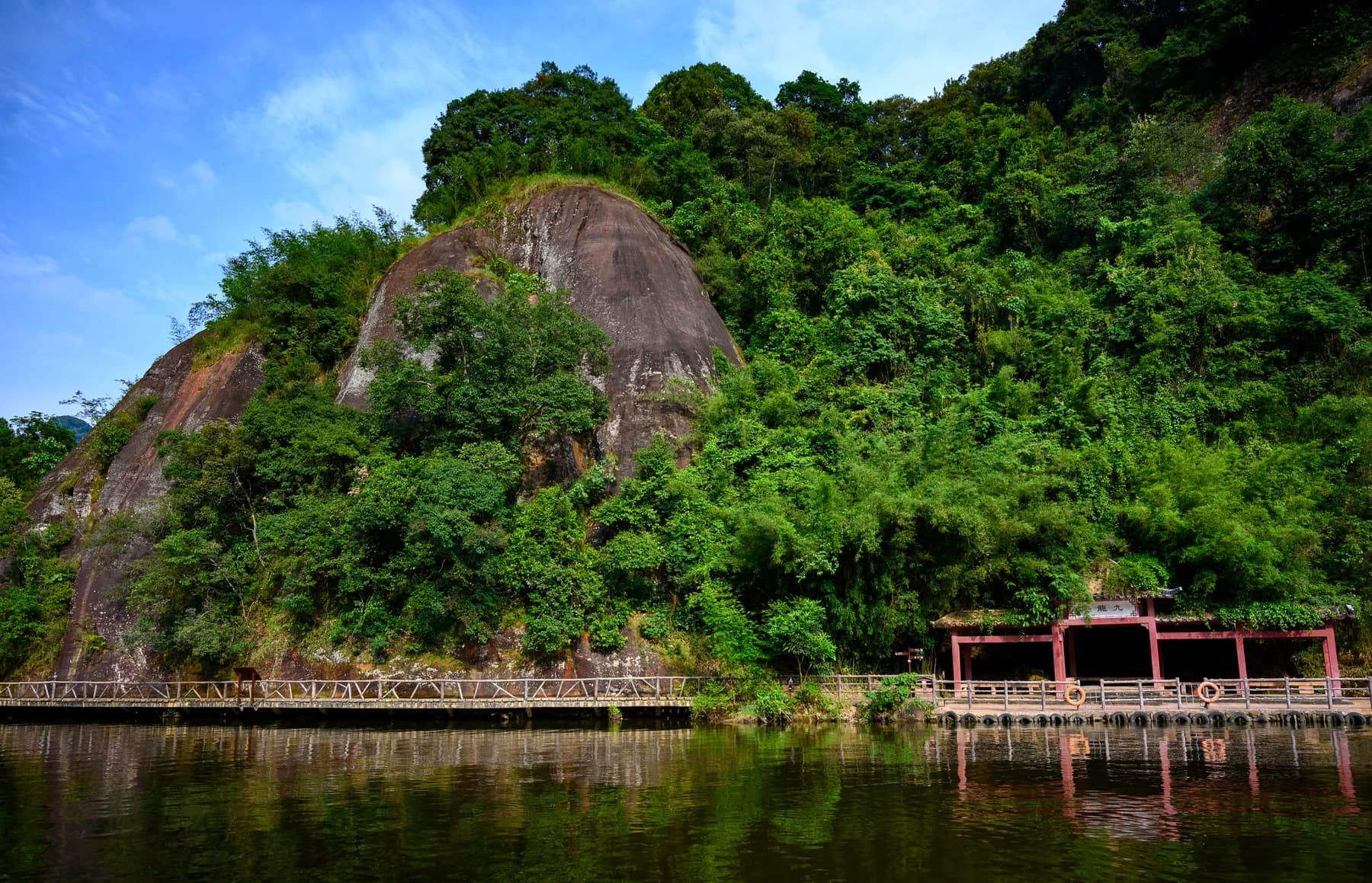
The easiest area for rail-based city trips, with food, old neighbourhoods and modern waterfronts.
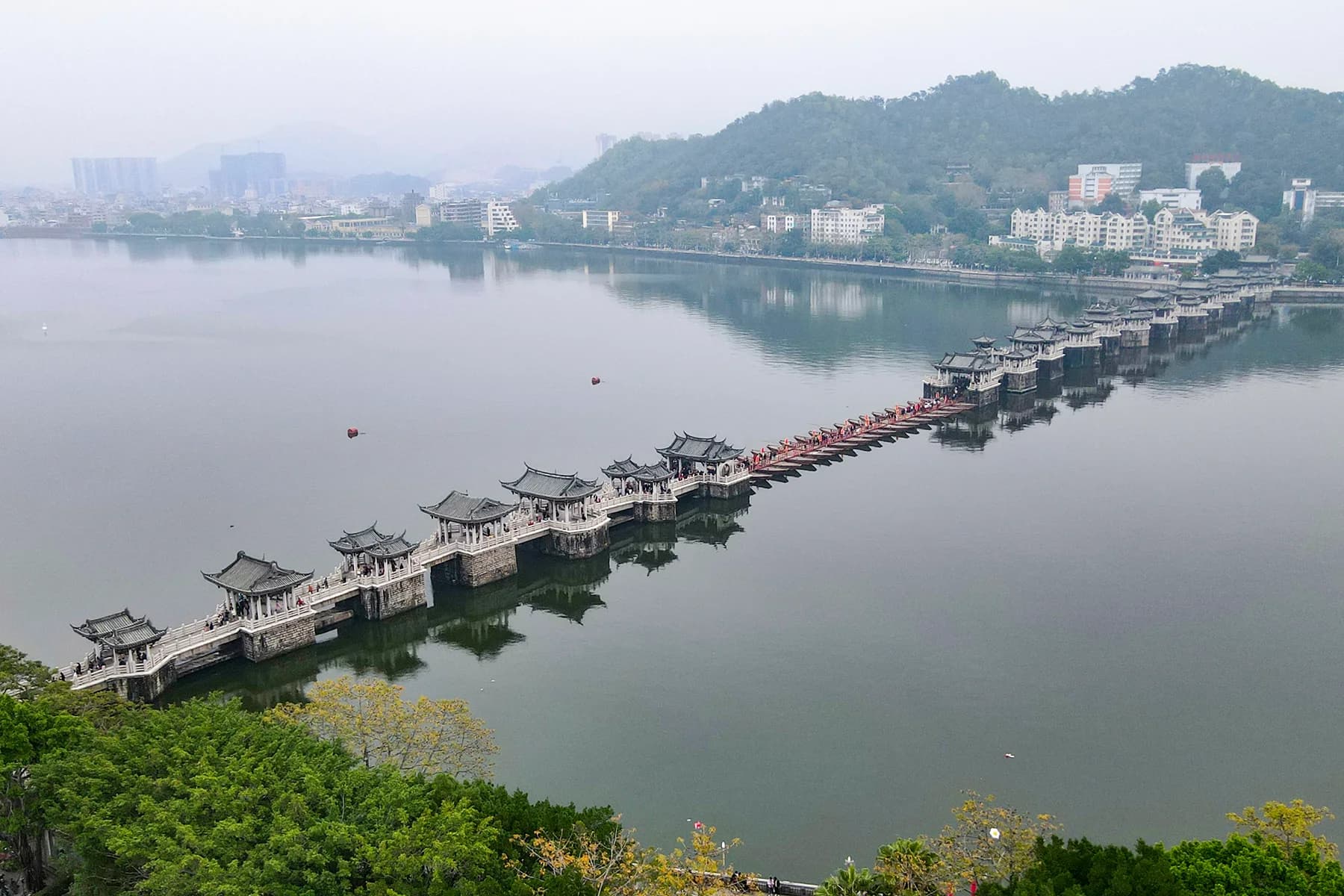
Stay several nights for old trading streets, regional meals and gongfu tea.
Allow more road travel for settlement history, village architecture and meals with several dishes for the group.
Reserve a full day, check the latest forecast and confirm the return journey.
Food
Trip planning becomes easier when Cantonese cooking around the Pearl River Delta, Chaoshan cooking in the east and Hakka food across inland and eastern communities are treated separately.
Meal setting matters as much as the dish. Yum cha needs a relaxed morning and several rounds. Roast meats suit a compact lunch. Chaoshan and Hakka cooking often need several meals with company, so group size and the number of nights should guide the order.
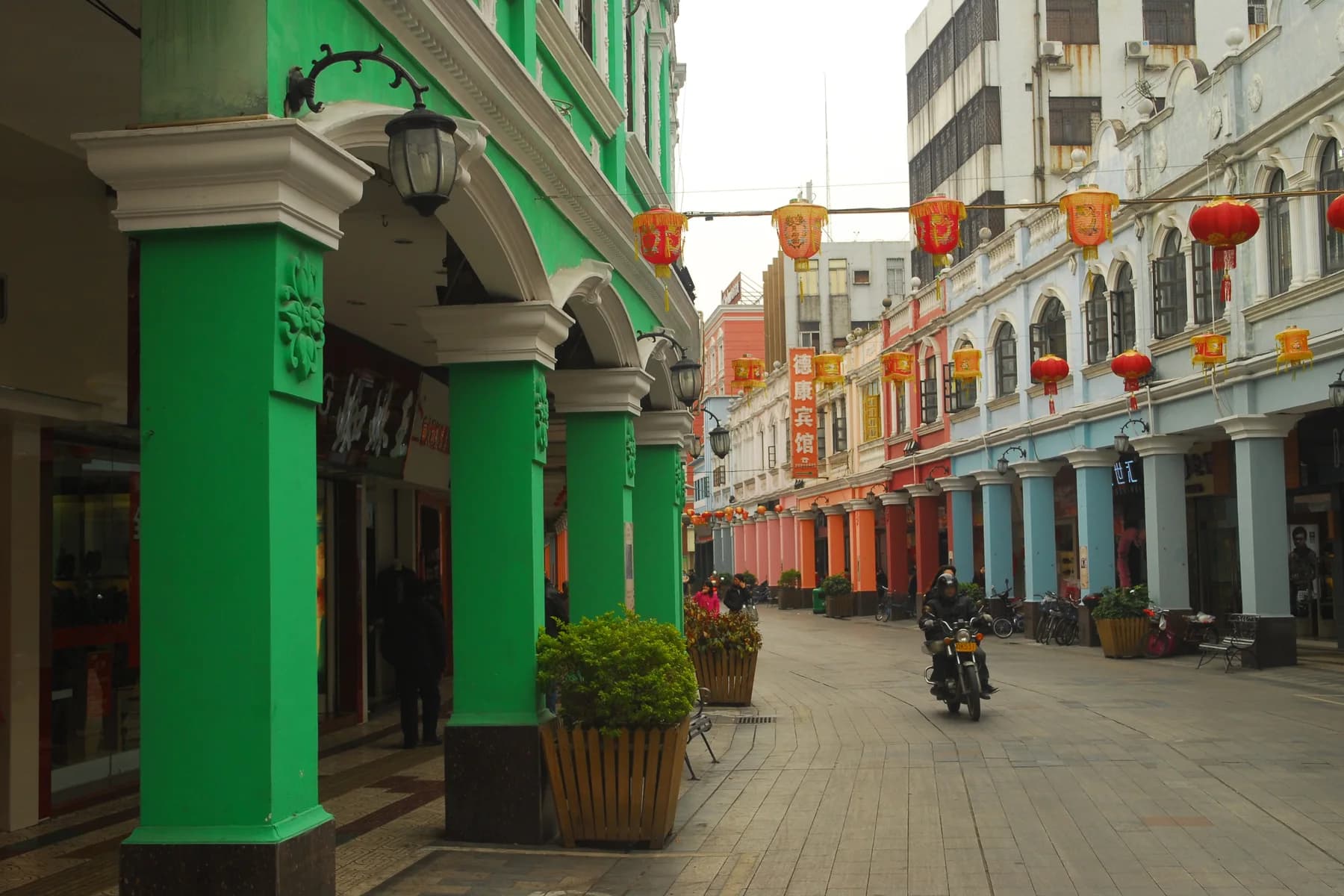
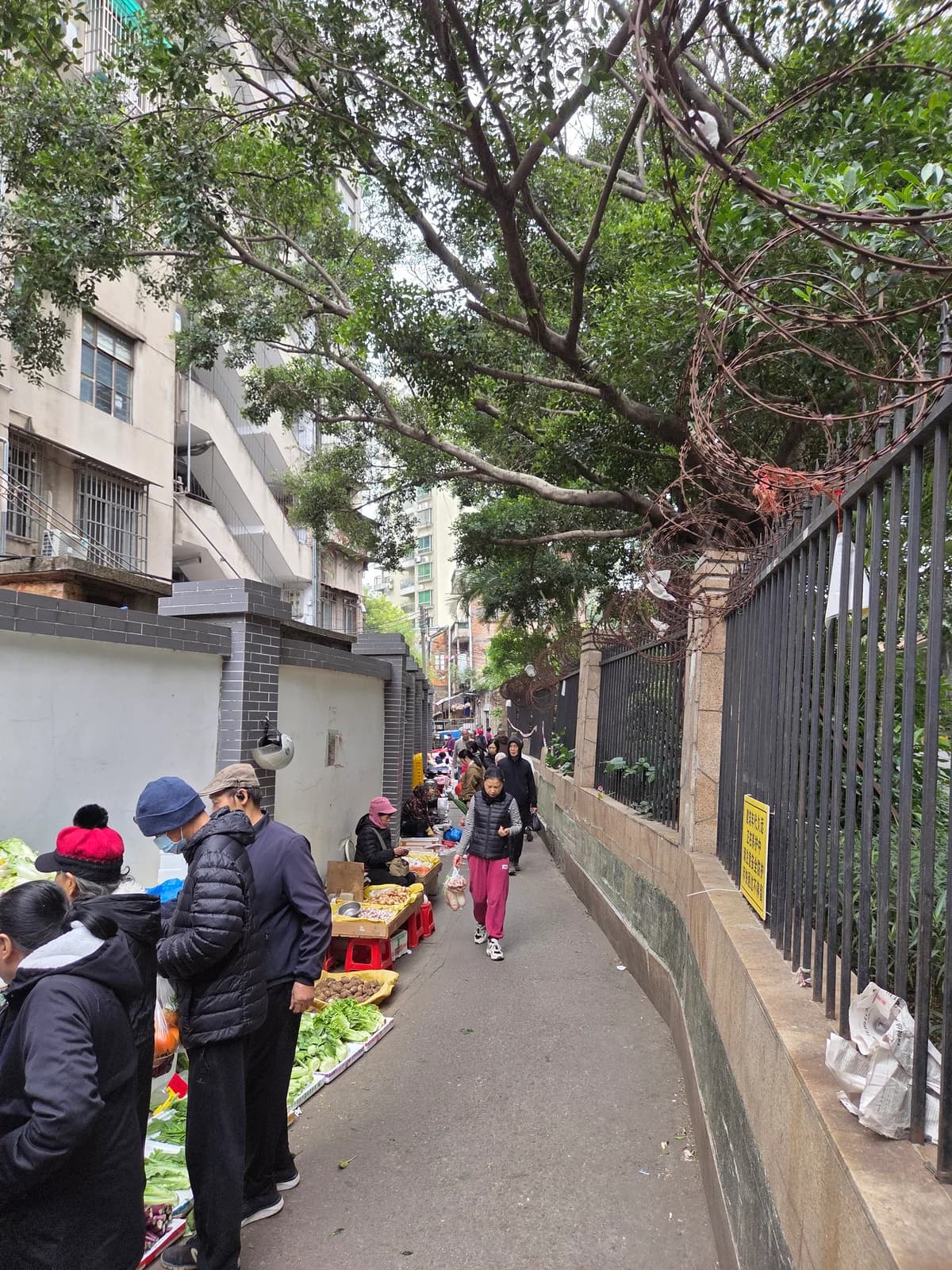
Morning tea, roast meats, clear broths, steamed seafood, noodles and neighbourhood sweets.
Beef hotpot, braised goose, seafood, rice noodles and tea served with attention.
Stuffed tofu, salt-baked chicken, preserved vegetables and substantial braised dishes.
Major stops
Guangzhou can fill three days without a hotel change. Use one day for Xiguan, one for Yuexiu, then choose a modern riverfront or nature day. Shenzhen needs two urban days, one around Futian and another around Nanshan or Shekou.
Foshan works as a craft day from Guangzhou, while Shunde needs a full day built around meals. Kaiping usually needs an overnight because the diaolou stand across village areas. Choose Chaozhou, Shaoguan, Zhuhai or Zhaoqing only when you want what that place specifically offers enough to make another move.
The best first base for understanding Lingnan food and Guangzhou’s long trading-city history.
Plan food, old-city walks and museums in Guangzhou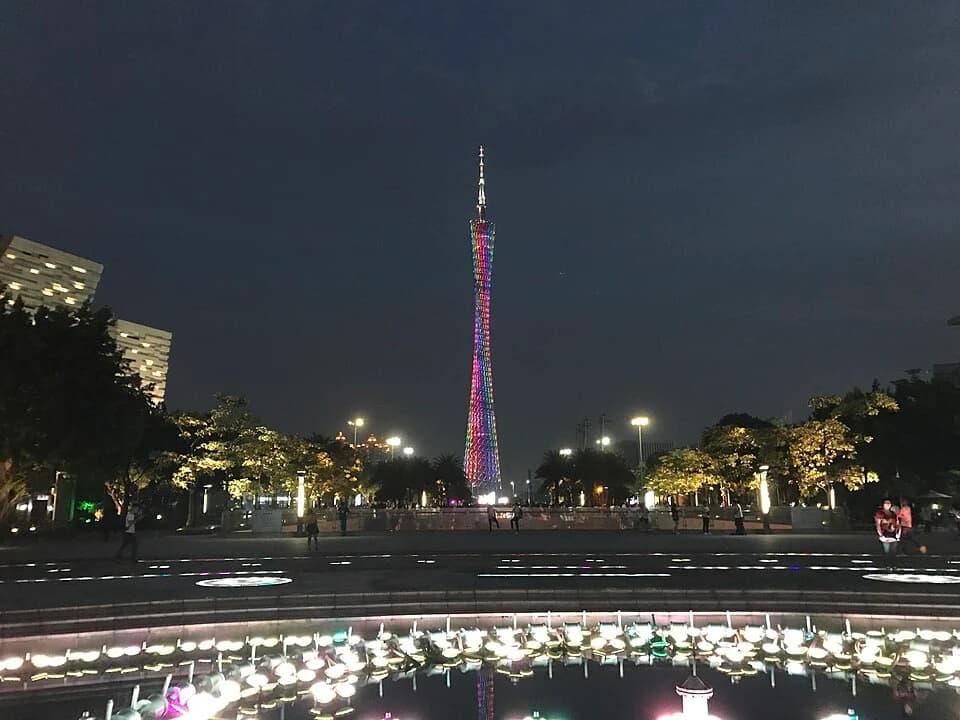
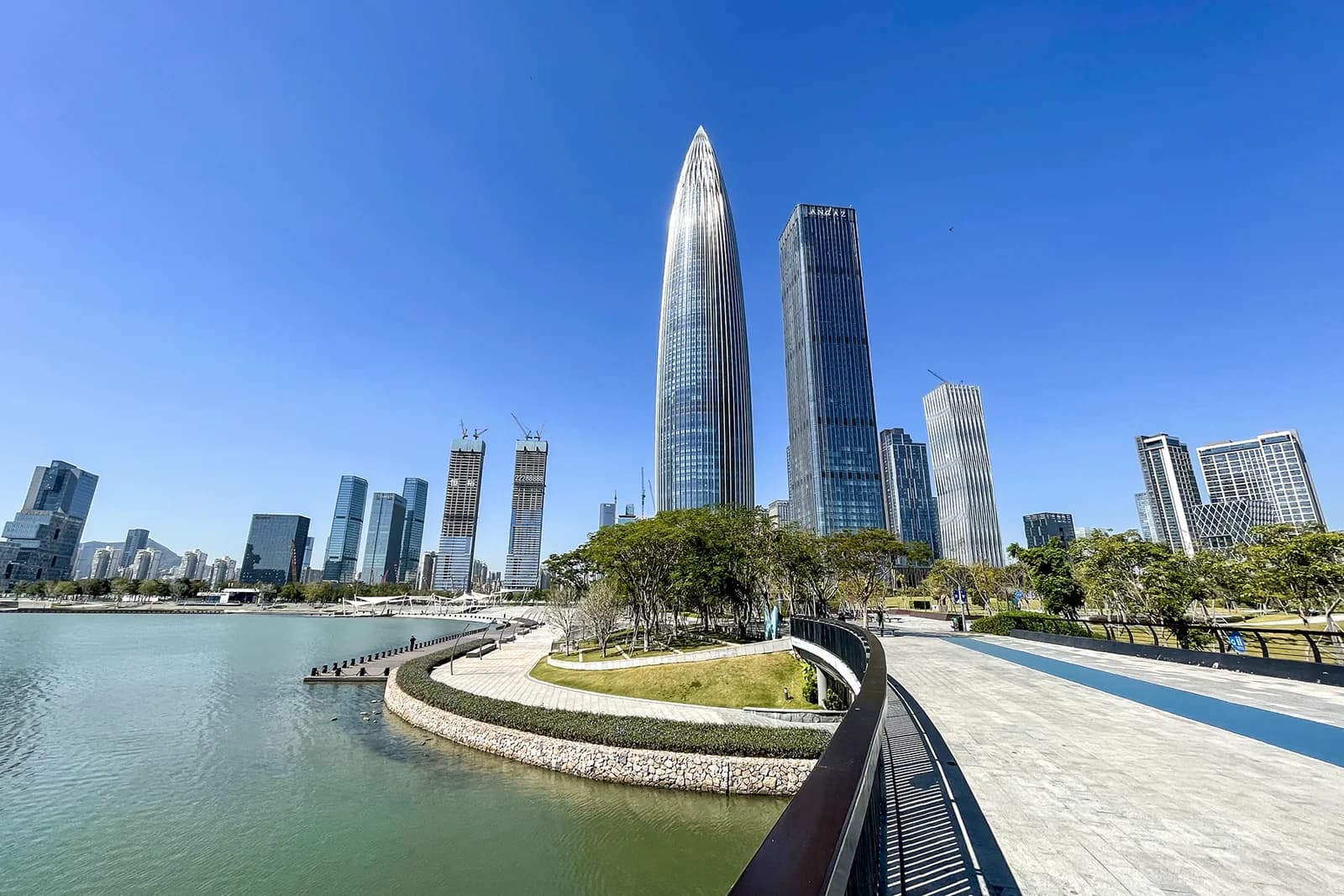
Spend one day around central electronics markets and parks, then another around Nanshan or the waterfront.
Plan Shenzhen by district and waterfront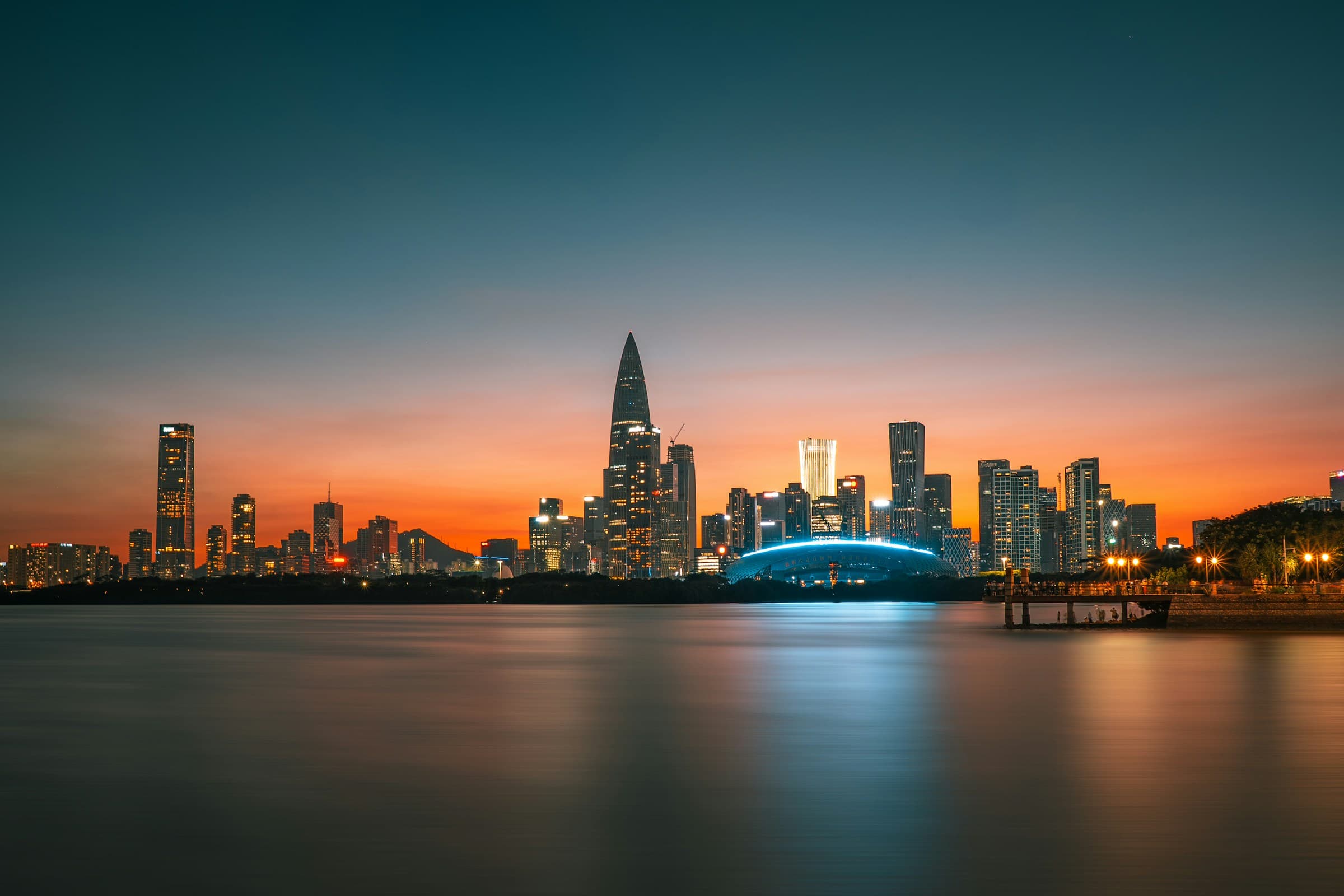
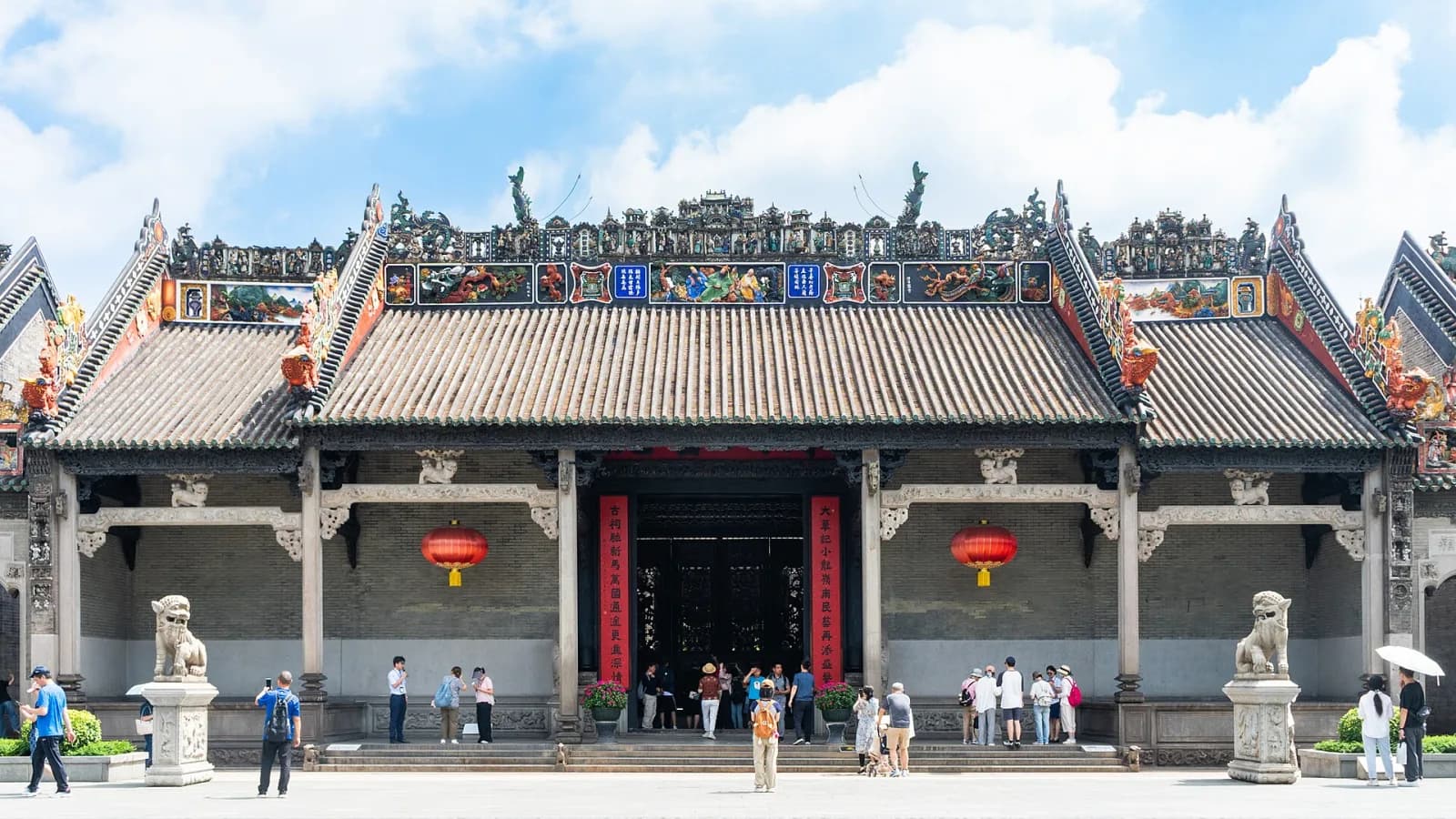
Spend one day around the Ancestral Temple and Shiwan ceramics. Give Daliang in Shunde another day for Qinghui Garden and a long meal.
Choose your days in Foshan and Shunde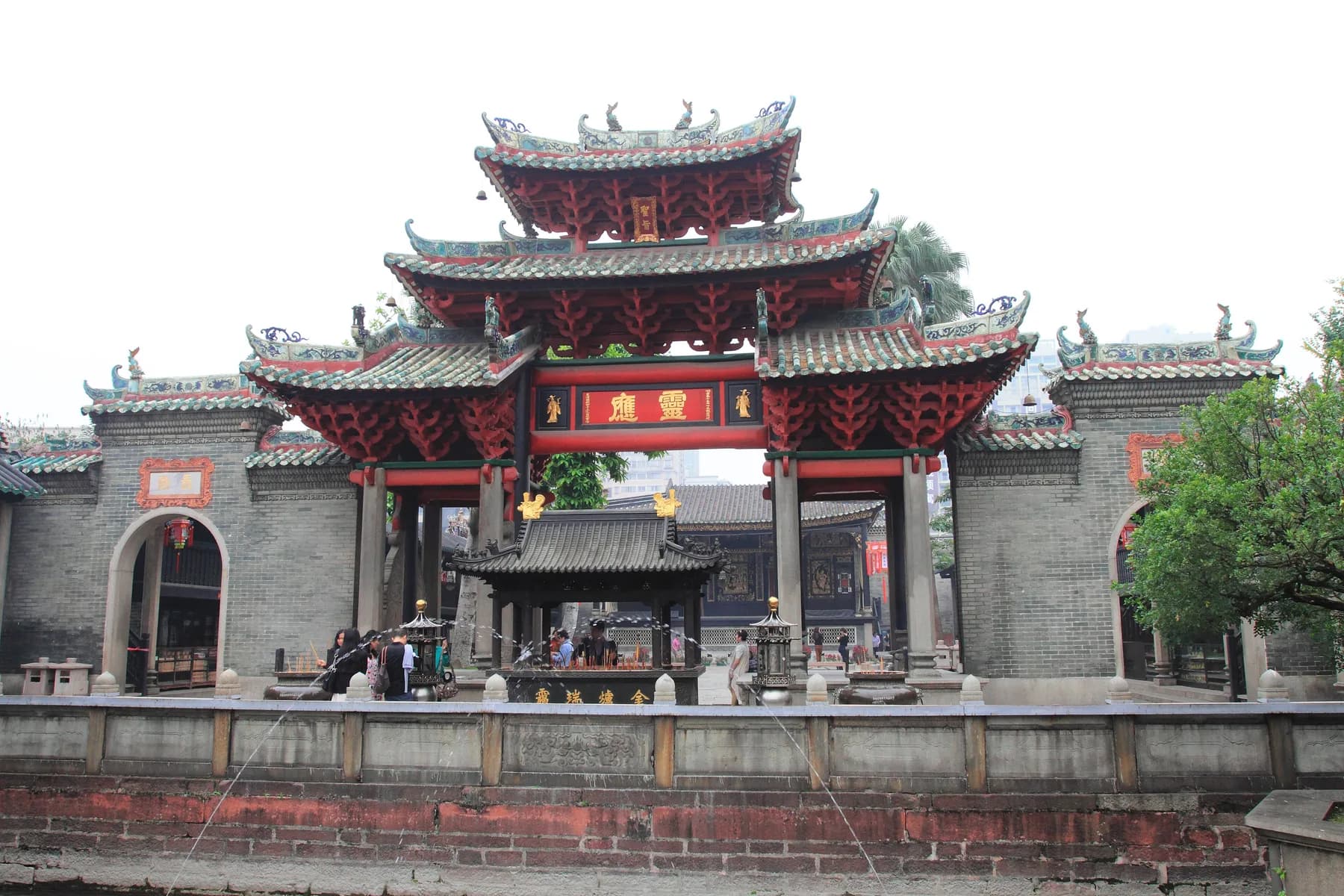
Diaolou towers and village landscapes tell a specific story of overseas migration and return.
Plan Kaiping with the Jiangmen travel guide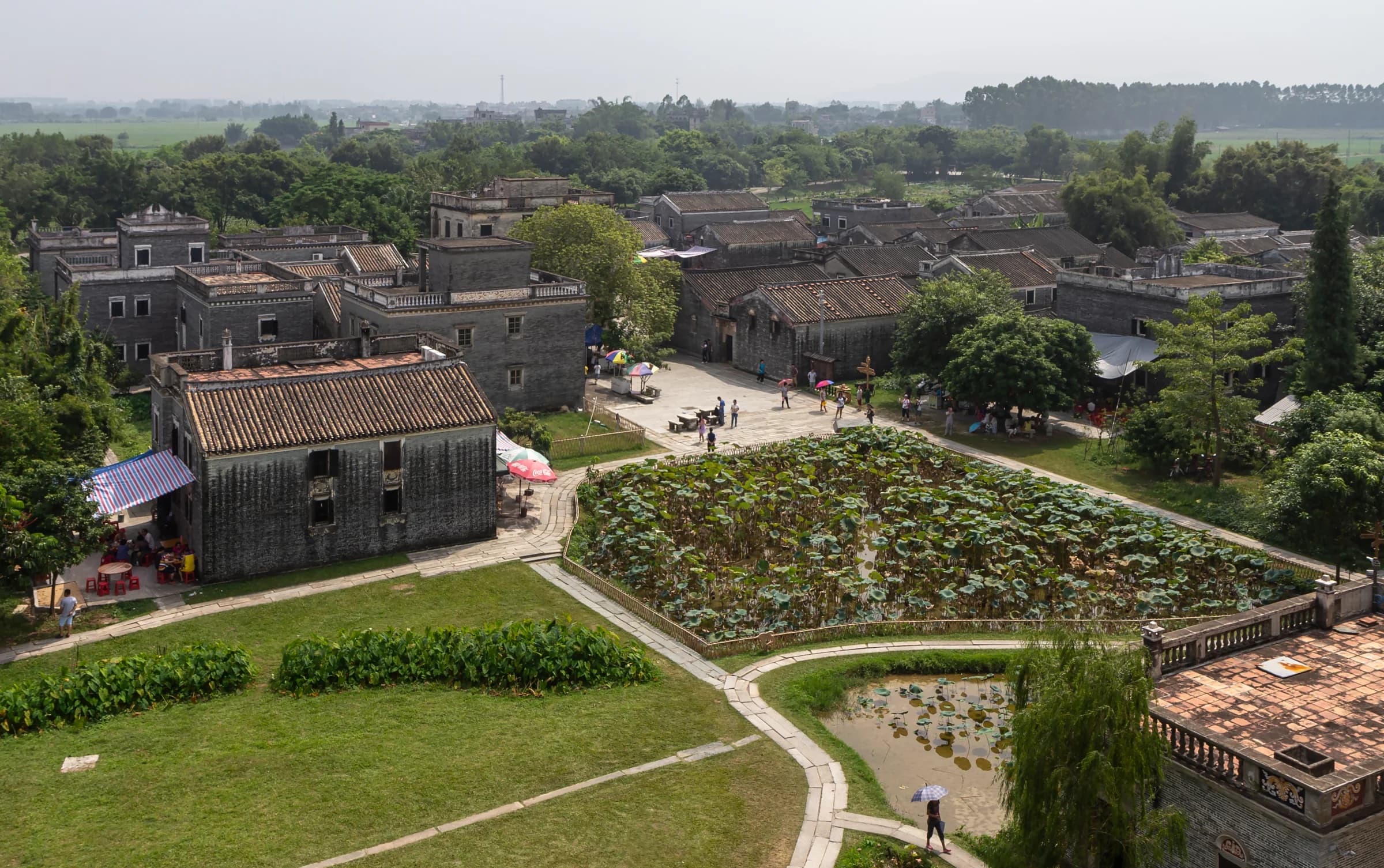
Choose a realistic route
More days should reduce pressure before they increase the number of cities. These three shapes start with bases, luggage and direction rather than a list of attractions.
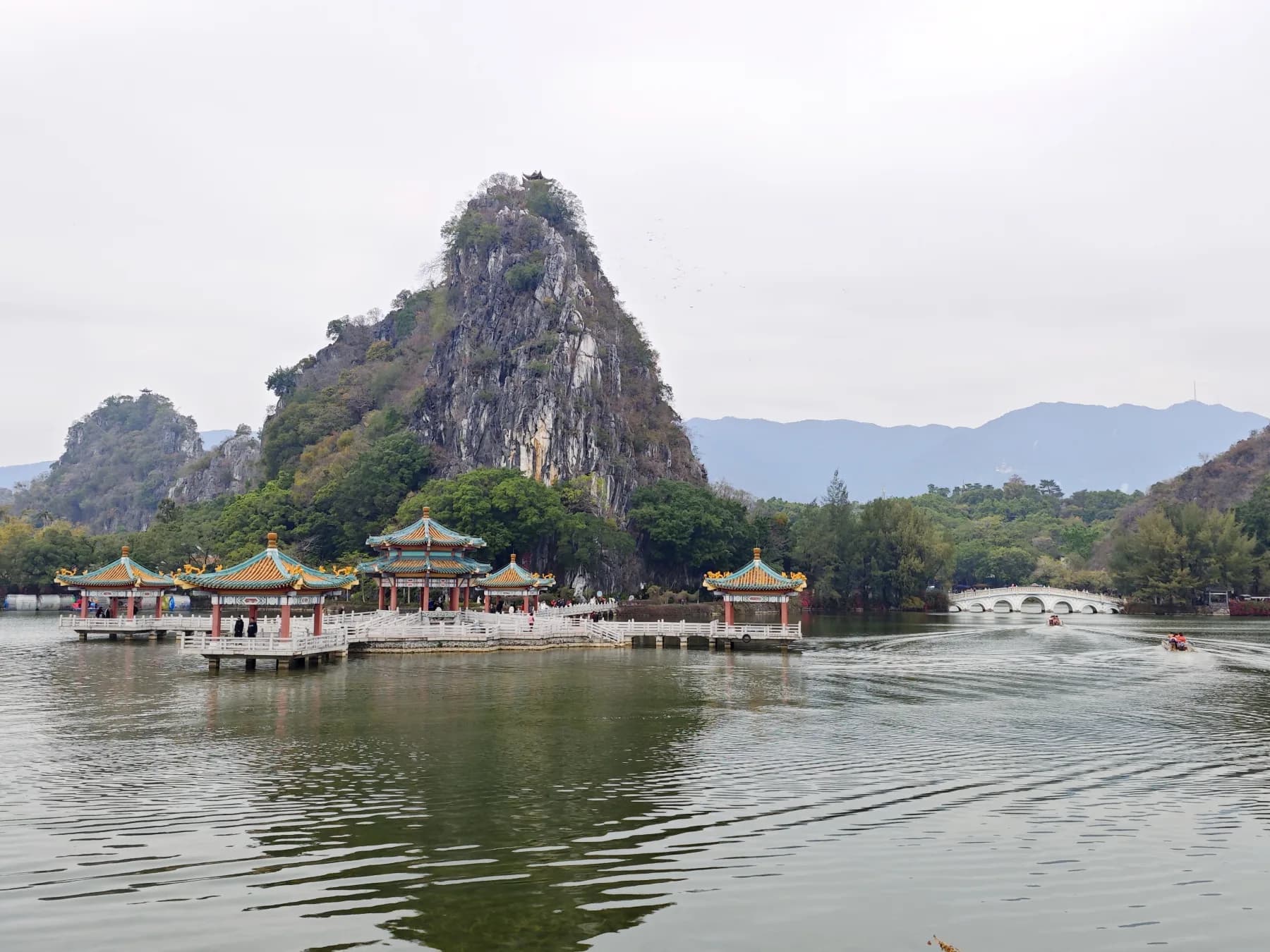
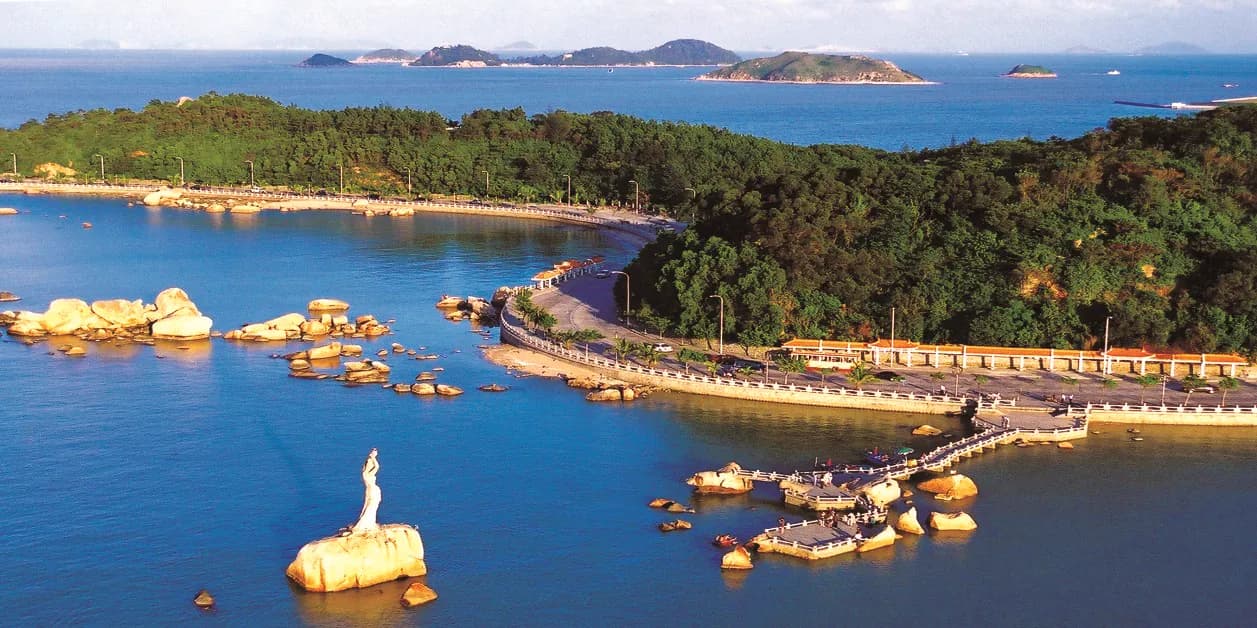
Use Guangzhou for arrival, Xiguan, Yuexiu and a Foshan day. Then move once to Shenzhen for a central-city day and a Nanshan day. Keep the departure day close to the hotel.
Move broadly west to east through Guangzhou, Kaiping, Zhuhai and Shenzhen. Visit Foshan from Guangzhou or stay only when it helps the next transfer. Use one Kaiping day to arrive and another for nearby villages, then slow down beside the water in Zhuhai.
Keep the core, then choose either two nights around Shaoguan for landscape or three nights across Chaozhou and Shantou for food and old-city culture. Both are valid; taking both usually turns the extra week into transfer recovery rather than deeper travel.
Getting around
A fast train does not remove the slow parts around it. Full travel time includes checking out, reaching the correct station, security, waiting, the ride, onward urban transport, finding the hotel and checking in. A headline journey of less than an hour can therefore consume half a useful day. On a hotel-change day, one nearby walk or meal is a success; a full sightseeing list is usually false economy.
Choose the station pair by hotel geography, not by the fame of the train service. Guangzhou South, Guangzhou East and other terminals do different jobs; Shenzhen North, Futian, Shenzhen and other stations also point towards different districts. Compare door-to-door time and transfers before buying. For smaller places, confirm whether the final connection is a bus, taxi, hired vehicle or reservation-based shuttle.
Leave visible gaps in the itinerary. Large-station security, meal queues, heavy rain, road congestion and difficulty locating an entrance are normal parts of travel. Every three days, keep at least one half-day free to move or rest. Before a coast or mountain day, choose an indoor or city alternative so a poor forecast changes the plan without ruining the trip.
Practical answers
Its regional food traditions, long maritime and trading history, manufacturing cities, Lingnan architecture, Hakka and Chaoshan cultures, mountains and coast.
There is no single answer for the whole province. Cooler, drier periods are generally easier for city walking; coast and mountain plans need a fresh weather check. Compare the 7, 10 and 14-day itineraries
Canton is a historical English name associated with Guangdong and Guangzhou. This site uses Canton in the brand, but its travel coverage is the whole of Guangdong Province.
Plan with Joey, a Guangdong local
I’m Joey, born and raised in Guangdong. I can help you choose cities and places to stay, then arrange the days, meals and transfers around your dates and interests.
Paid planning from US$50 · Submit a brief without paying
Plan my Guangdong tripSee a complete sample planPrice, delivery date and revisions agreed before paid work begins.